
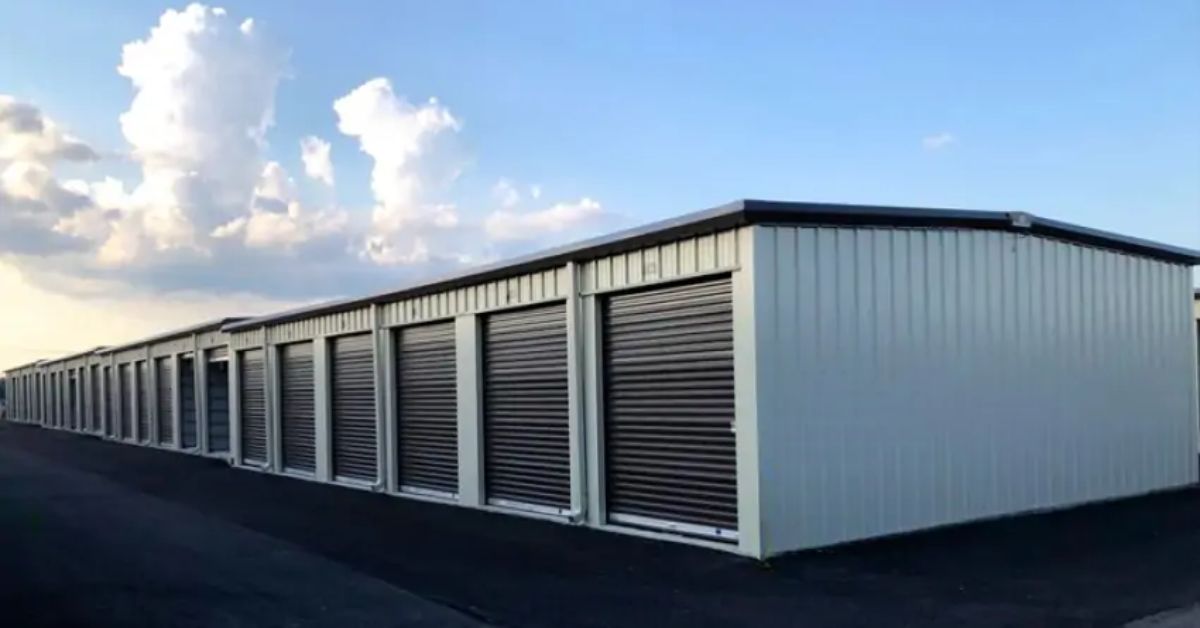
So you’ve decided to enter the self-storage arena. It’s a profitable industry that tends to offer stability regardless of the economic climate. But before you can break ground on your new venture, you need to navigate the world of zoning and permitting. It might seem like a maze of regulations, but with the right information, you can clear this hurdle and get your business off the ground.
This guide will walk you through the essentials of zoning laws for self-storage businesses. We’ll discuss what zoning is, the different types of usage permits you might encounter, and how to get your project approved. While these laws vary by location, the core principles remain the same. Let’s dive right in!
Zoning 101 for Self-Storage
First things first, what exactly are zoning laws? Essentially, local governments use these regulations to control how land is used. They divide areas into different zones, each with its own set of rules for development. This process keeps a city organized, separating industrial factories from quiet residential neighborhoods, for example.
These are the most common zoning categories you’ll encounter:
- Residential: Reserved for homes, apartments, and other living spaces.
- Commercial: Designated for businesses like retail stores, offices, and restaurants.
- Industrial: Intended for manufacturing, warehouses, and other heavy-duty operations.
- Agricultural: Set aside for farms and other agricultural activities.
- Recreational: Used for parks, public spaces, and community facilities.
Where do self-storage businesses fit in? Historically, they were relegated to industrial zones. However, as demand for convenient storage solutions grew, developers began pushing for locations closer to where people live and work. This shift has made the zoning process for self-storage more complex. Today, a self-storage facility might not fit neatly into any single category, which brings us to the types of usage permits.
Permitted Use vs. Conditional Use
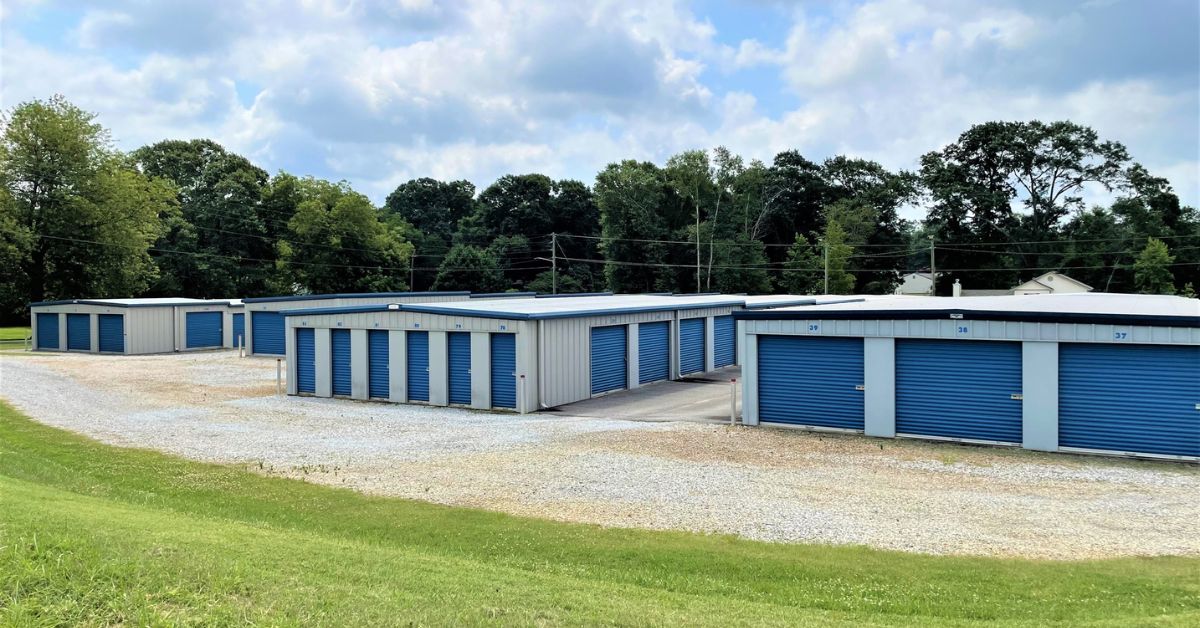
When you find a piece of land, its zoning will dictate how you can develop it. There are two main types of usage designations you’ll need to understand: permitted use and conditional use.
What Is Permitted Use?
Permitted use, or “by-right” use, is the most straightforward path. It means your proposed self-storage facility aligns with the existing zoning for that land. You will not have to go through a lengthy public approval process with hearings and applications. Instead, as long as your project meets all the local development standards—like landscaping requirements, building height, and setbacks—you can move directly to applying for building permits. This route saves you time and reduces the influence of local politics on your project.
What Is Conditional Use?
More often, you will find that self-storage falls under a conditional use permit (CUP). This designation means that while a self-storage facility might be acceptable in that zone, the local government wants to review it on a case-by-case basis. They want to ensure your project benefits the community and mitigates any negative impacts.
The conditional use process is more involved. It usually requires the following:
- submitting a detailed application and design drawings
- attending neighborhood meetings to hear concerns from residents and other business owners
- presenting your case at a formal public hearing before a planning commission or city council
- addressing potential issues like increased traffic, property values, and security
This process can be time-consuming and politically charged. Your success will depend on your ability to build a strong case and win over local officials and the community.
Navigating the Approval Process
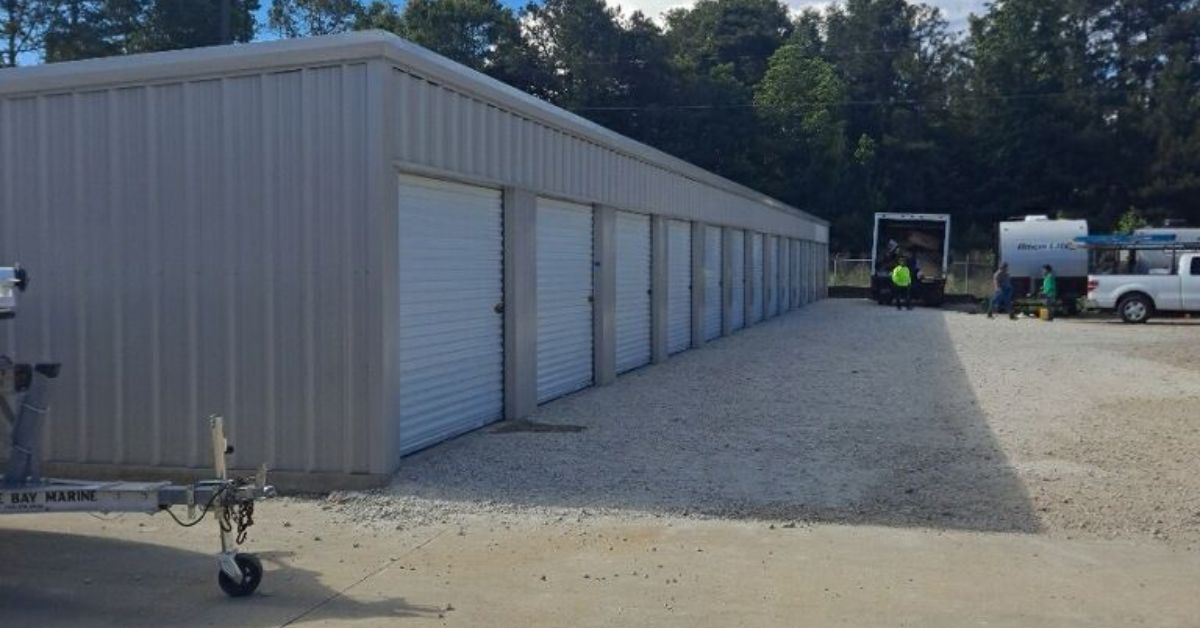
Whether you’re seeking a conditional use permit or need to rezone a property entirely, the path to approval requires careful planning and preparation. Here’s a step-by-step look at what you can expect.
1. Contact Your Local Municipality
Your first action should be to connect with your local planning or zoning department. They can provide the necessary applications, explain the local rules, and outline the specific challenges you might face. This initial meeting will help you understand the landscape and shape your site plan.
2. Assemble Your Professional Team
You don’t want to go through this process alone. Building a team of experienced professionals is crucial. Your team should ideally include a land-use attorney, a civil engineer, an architect, and a land planner, all of whom have experience with self-storage projects. Their expertise will be invaluable in navigating the political and logistical hurdles.
3. Hold Neighborhood Meetings
Before the formal hearing, it’s wise to engage with the local community. Host a neighborhood meeting to present your plans and listen to their concerns. Common worries include increased traffic, potential for crime, and negative effects on property values. Come prepared with facts and data to address these points professionally. For instance, you can present traffic studies and security plans to put their minds at ease. This meeting acts as a rehearsal for the formal hearing and shows you’re a considerate developer.
4. Prepare for the Formal Hearing
This is your final presentation. You’ll stand before the planning commission or city council to make your case. Your presentation should include a detailed development plan that addresses all potential concerns. Be ready to answer questions about everything from your hours of operation to your landscaping design and lighting plans. A well-prepared, professional presentation will greatly increase your chances of getting the green light.
Your Path to a Successful Self-Storage Business
Navigating zoning laws is a critical first step in building a successful self-storage business. The process can seem daunting, but by understanding the rules, preparing diligently, and working with a skilled team, you can achieve your goal. Remember that persistence is key; even if your initial proposal isn’t approved, you can work with local officials to make adjustments and try again.
Once you have your zoning and permits in order, the next step is construction. Arco Building Systems provides high-quality, pre-engineered self-storage unit kits that combine affordability with professional-grade durability. Our steel buildings are cost-effective, low-maintenance, and resistant to fire and harsh weather, offering the security your customers expect. With over 45 years in the business, our team has the experience to support you every step of the way.
Ready to build? Get your mini warehouse buildings, perfect for self-storage, from Arco and start your journey with a partner you can trust.