
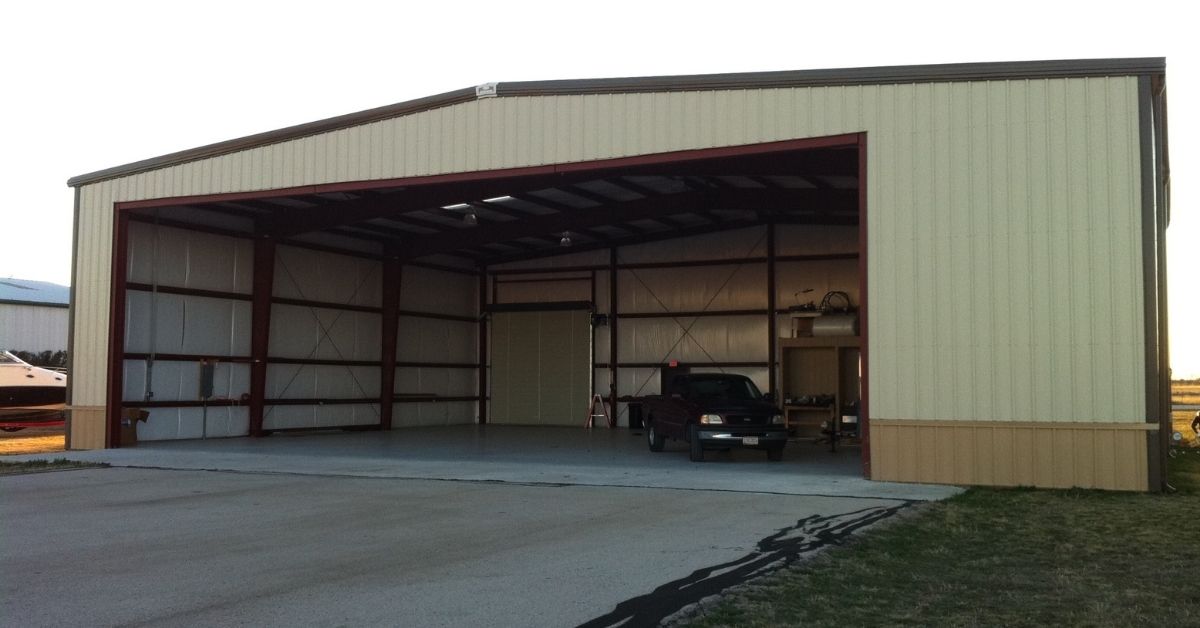
You drive past them every day: large metal structures housing warehouses, churches, gymnasiums, manufacturing plants, and so much more. While the ribbed exterior panels might catch your eye first, the true marvel of architecture is underneath. A good portion of today’s metal buildings has framing made from red iron, and its journey from a raw element to the preferred method of commercial construction is a fascinating tale of innovation.
After all, steel didn’t just appear as a perfect building solution overnight. Engineers refined it over centuries to become the cost-effective, durable powerhouse we use today. By exploring the history and evolution of red iron steel buildings, you can learn why this method is the gold standard for industrial, agricultural, commercial, and storage applications. Read on to explore where this material comes from and why it has stood the test of time.
The Iron Age to the Steel Age
Before we had the rigid I-beams that characterize modern metal building kits, builders relied on cast iron. During the 18th and early 19th centuries, architects used cast iron columns to support factories and mills. However, cast iron had a fatal flaw: It was brittle. It handled compression well but failed under tension.
The game changed in the mid-19th century with the Bessemer process. This industrial innovation allowed for the mass production of steel, an alloy much stronger and more flexible than iron. Suddenly, architects could design structures that soared higher and spanned wider than ever before. Their steel frames could support heavier loads, withstand high winds, resist fire damage, and even handle earthquakes.
Consequently, the skyline began to change. The same material that allowed skyscrapers to touch the clouds eventually evolved into the pre-engineered metal buildings (PEMBs) we see today.
Why Do We Call It “Red” Iron?
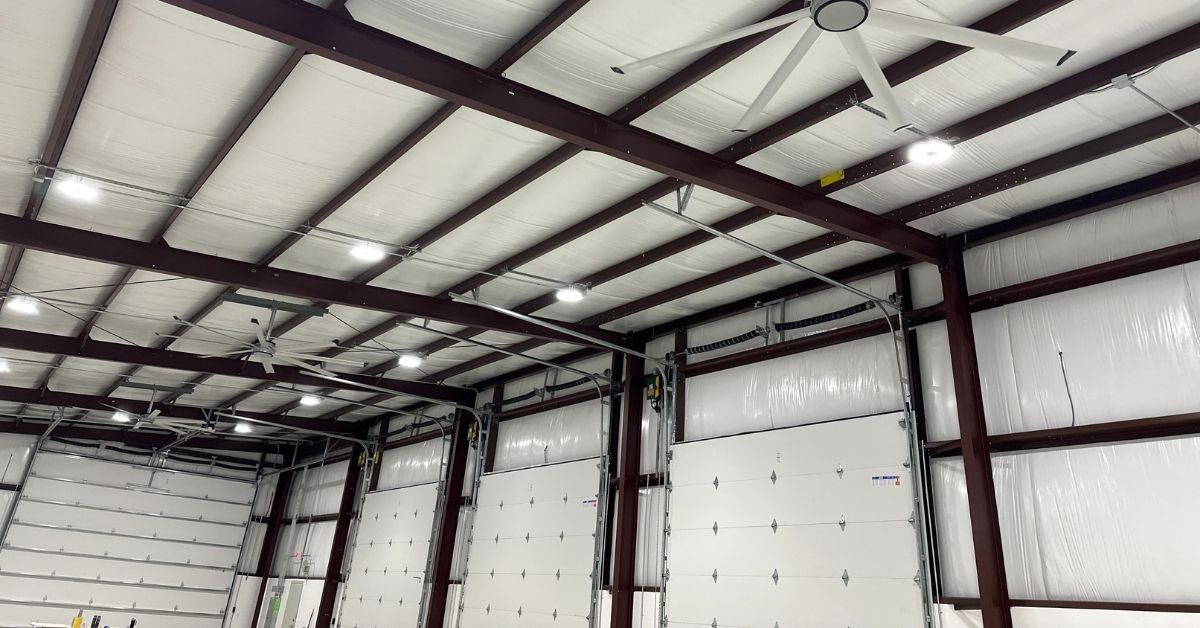
If you walk onto a construction site of a pre-engineered metal building before the walls go up, you will see a skeleton of heavy steel beams painted a distinct rusty-red color. The term “red iron” refers to the red-oxide primer applied to the steel members at the factory.
This isn’t for aesthetics. The coating protects the steel from rust and corrosion, shields the metal during the erection phase, and prepares the surface for future painting if desired.
While the industry also uses galvanized steel (which looks silver), red iron is often the preferred choice for larger structures. Its shape typically resembles an “I,” which is why you hear the term “I-beam.” This shape provides incredible strength while using material efficiently.
The Birth of the Pre-Engineered Metal Building
Red iron buildings are typically pre-engineered and come in kits, which is an idea that truly took off during World War II. The military needed structures that it could ship easily and assemble quickly anywhere in the world.
After the war, the demand for commercial space skyrocketed. Manufacturers realized they could apply the same principles of standardization to civilian buildings. Instead of designing every single beam from scratch for every project, they could engineer standard connections and sizes.
This shift brought about several revolutionary advantages:
- Speed: Builders could assemble bolted connections much faster than welding or riveting on-site.
- Cost: Mass production of components lowered the price of raw materials.
- Consistency: Factory-controlled quality reduced errors compared to field fabrication.
- Scalability: Business owners could easily expand their buildings by adding more bays.
Modern Evolution: Beyond the Box
In the early days of pre-engineered metal buildings, you had limited options. Most people essentially bought a square box. While functional, these early iterations lacked aesthetic appeal.
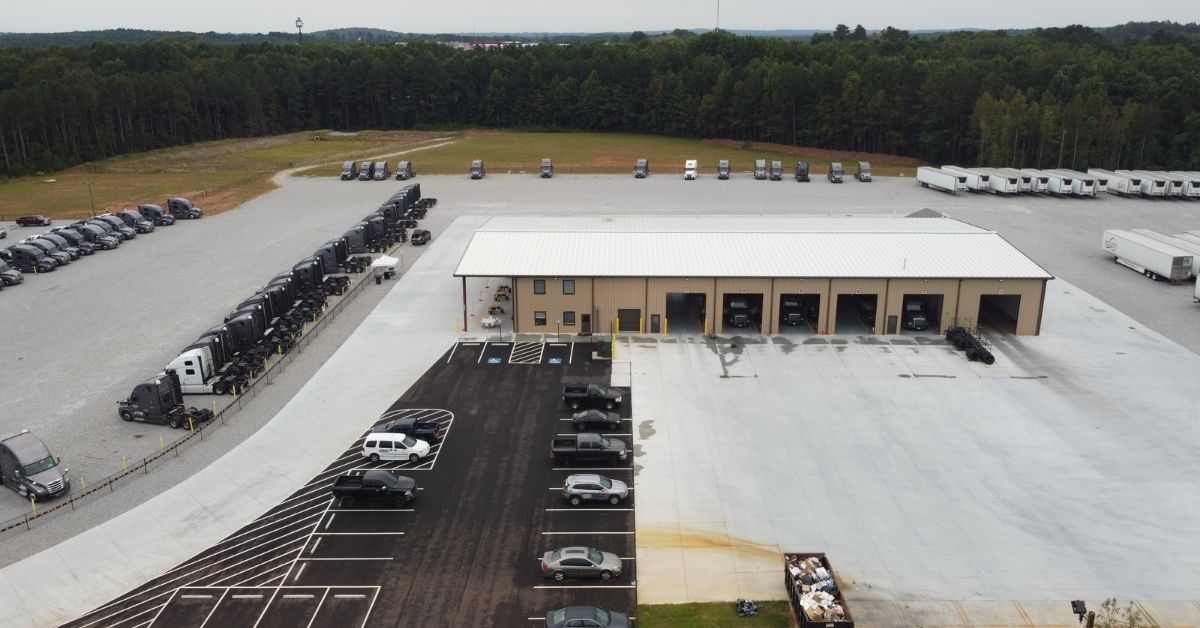
Today, the industry looks completely different. A red iron building is more of a structural shell that you can dress up with brick, stone, stucco, or glass. Or, of course, you can keep it simple with plain metal paneling. Regardless, you can now use steel kits to build auto shops, aircraft hangars, climate-controlled mini-storage facilities, churches, boat launches, and so much more.
Moreover, modern steel building offers clear-span capabilities, meaning you can have massive interior spaces without interior columns getting in your way. This is vital for applications like riding arenas, gymnasiums, manufacturing lines, and large-scale agricultural storage.
Arco Building Systems: Leading the Evolution, Backed by History
Arco Building Systems has been at the forefront of the evolution of red iron buildings for over 45 years. Its history is also ours.
Since 1979, we have provided red iron building kits to thousands of satisfied customers. And because of this experience, we understand that buying a building is a major investment. The industry has evolved, and navigating permits, foundation drawings, and erection can feel overwhelming.
That is why we prioritize customer service above all else. When you work with us, you don’t just get a pile of steel shipped to your jobsite. In addition to top-quality red iron framing, metal paneling, and the other construction materials, you get a dedicated service specialist who stays with you from the initial consultation through the completion of your project. We help you select the ideal manufacturer, provide sealed steel building drawings, secure DocuSign proposals, recommend reliable erectors, and more.
Our mission is to make metal buildings as easy as one, two, three for our valued customers. With our help and the power of durable red iron on your side, your project should go off without a hitch.
Building Your Legacy
Red iron steel buildings have a story of continuous improvement. From the Bessemer process to computer-aided, customizable design, evolving techniques have made steel the ultimate building material. And with a red-oxide primer, the metal has even more benefits for your project. It provides the strength to protect your assets, the flexibility to design your dream space, the durability to last for generations, and the efficiency to keep your budget on track.
Whether you are planning a new industrial complex, a backyard shop, or a commercial retail center, red iron is the solution. The history of steel is strong, and its future is even stronger.
Ready to start your project? Experience the Arco difference today. Our team is ready to help you turn your vision into a reality with a structure built to last. Request a quote and join the thousands of customers who trust us with their building needs.