
Steel Buildings vs. Traditional Warehouses: Which Is Best?
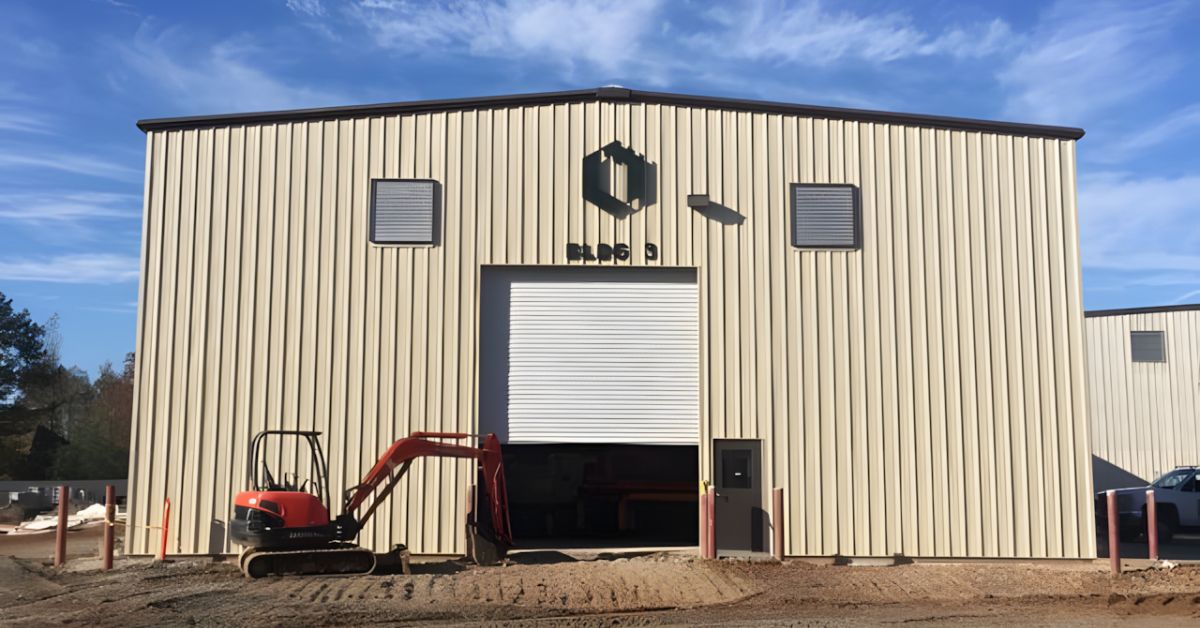
You have a major project on the horizon. Your business is growing, and your inventory is overflowing, so you need a warehouse. But before you break ground, you have to choose the building’s construction method. The two most popular options are traditional construction and prefabricated steel kits. Both have their place in the warehousing world, and your choice between them impacts your budget, your construction timeline, and your company’s future operational capacity.
To help you determine whether steel buildings or traditional warehouses are best for your needs, we’re going to compare them. We will walk through the essential factors you need to consider so you can move forward confidently.
Which Has a Faster Construction Timeline?
Time typically equates to money in the industrial world, so this factor is a big one.
Traditional Construction
Traditional construction projects generally follow slower timelines. You must wait for architects to finalize blueprints, source lumber or brick from various suppliers, manage multiple subcontractors for framing and masonry, and hope the weather cooperates long enough to get the roof on. Any delay in one area ripples through the entire schedule, pushing back your move-in date and delaying your ROI.
Prefabricated Steel Construction
Prefabricated steel buildings offer a completely different experience. Because the components are pre-engineered and manufactured off-site while your site preparation takes place, the building arrives ready to assemble. This streamlined process eliminates the need for extensive measuring, on-site cutting, welding adjustments, and waste management. Consequently, your crew can erect the structure in a fraction of the time it takes to build a wooden or concrete facility.
Which Is More Durable?
Your warehouse protects your livelihood. It houses your expensive machinery, your inventory, your employees, and your fleet. So which method is a better shield for these assets?
Traditional Construction
Traditional buildings, particularly those with wood framing, face numerous threats from the environment. Wood rots when exposed to moisture, warps under changing temperatures, attracts termites and carpenter ants, and provides fuel for fires. Even concrete, while sturdy, will crack, spall, and settle over decades. Eventually, concrete will need to get repaired, and this structural work is expensive.
Prefabricated Steel Construction
High-grade steel does not rot, warp, split, or crack. It also offers no nutritional value to pests, meaning termites and rodents are much less likely set up shop in or around your warehouse. Furthermore, steel is non-combustible, which creates a safer environment for your staff and potentially lowers your insurance premiums.
Some steel buildings can withstand wind speeds of up to 170 mph, shed heavy snow loads, repel water to prevent corrosion, and stand firm against seismic activity. When you build with steel, you build for the next generation.
Which Offers a More Flexible Interior Space?
The warehouse’s interior capabilities change with its construction method. Which allows for the greatest interior space and scalability?
Traditional Construction
Traditional warehouses rely on load-bearing walls and interior columns to support the roof. These structural necessities interrupt your floor plan. They limit where you can place production lines, how you navigate forklifts, where you stack pallet racks, how you configure large-scale machinery, and so forth. You end up designing your operation around the building rather than the other way around.
Additionally, traditional structures are expensive and sometimes complicated to expand. You might have to demolish walls and spend months building bigger sections when your business grows.
Prefabricated Steel Construction
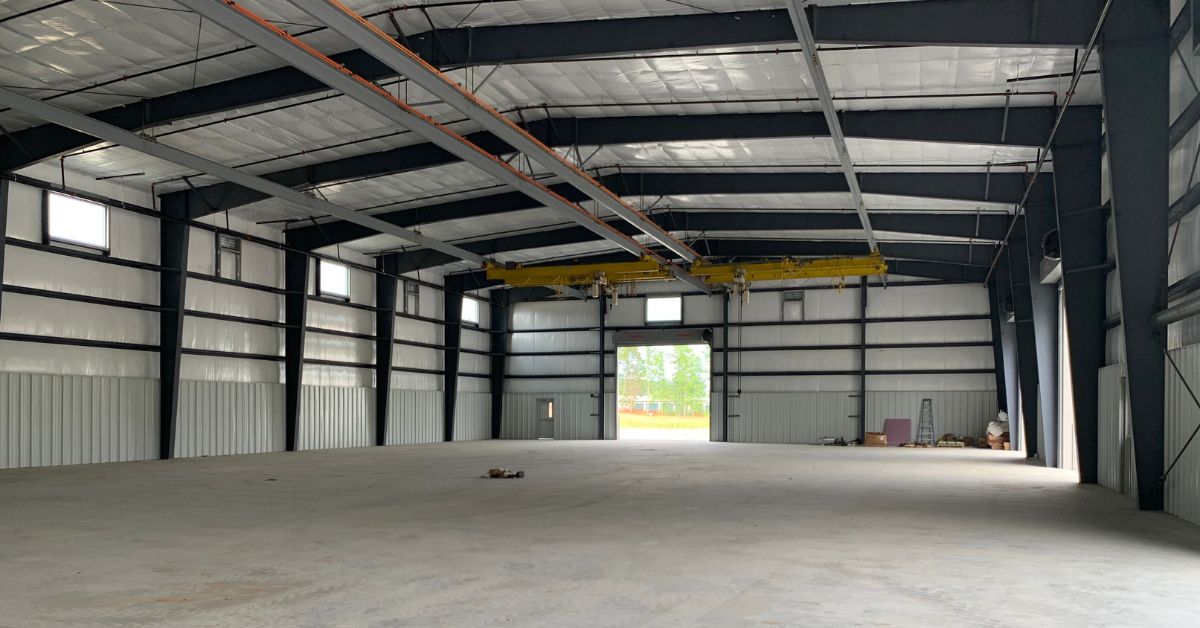
Steel buildings provide a superior space solution through clear span framing. This design allows for massive open spaces without internal columns getting in the way. Arco, for instance, offers rigid frame designs with clear spans of over 150 feet and eave heights exceeding 50 feet. You gain an obstruction-free workspace that maximizes flexibility for large equipment, streamlined workflows, efficient inventory management, and safe vehicle movement.
Moreover, your business needs will evolve. You might need to install overhead crane systems, add new shipping bays, build internal office spaces, or expand the warehouse footprint entirely. Metal buildings allow for easy modification. The designs facilitate seamless expansion, letting you bolt on new sections without major disruptions to your daily operations.
Which Is More Affordable in the Short- and Long-Term?
We must talk about the bottom line.
Traditional Construction
Traditional construction involves high labor costs due to the skilled craftsmanship required for bricklaying, carpentry, and detailed framing. The longer the project takes, the more you pay in labor. Plus, the ongoing maintenance costs for painting, sealing, roof repairs, and pest control add up year after year.
Prefabricated Steel Construction
Steel offers a more economical path. Because these buildings are pre-engineered, they don’t require as many on-site labor hours. A smaller crew can assemble the building faster, saving you substantial capital upfront. Additionally, the lighter weight of a steel frame puts less stress on the warehouse’s foundation, which reduces concrete and excavation costs compared to a heavy masonry structure.
The savings continue well after construction ends. Metal roofs last far longer than asphalt shingles or built-up roofing systems. Also, the resistance to mold, mildew, rot, and pests means your maintenance budget stays low.
Which Is More Sustainable?
Modern businesses often care about their environmental footprint.
Traditional Construction
Traditional construction generates a massive amount of waste. Cut-offs from lumber, drywall, and piping often end up in landfills. Furthermore, wood and concrete have fewer recycling options at the end of the building’s life.
Prefabricated Steel Construction
Steel is one of the most sustainable building materials on the planet. It is 100 percent recyclable. Most steel beams contain a high percentage of recycled content, and at the end of the building’s life cycle, the materials can be recycled again without losing strength.
Which Should You Choose?
So are steel buildings or traditional warehouses best for warehouse projects? The choice becomes clear when you stack the benefits. While traditional warehouses have served businesses for centuries, they simply cannot compete with the speed, strength, and versatility of modern steel engineering. With steel, you get a structure that goes up faster, lasts longer, costs less to maintain, and adapts to your changing needs.
If you are ready to secure a facility that supports your growth rather than hindering it, prefabricated steel buildings are the answer. Contact Arco Building Systems today to request a quote and start designing a warehouse that works as hard as you do.