
Why Modern Churches Are Choosing Steel Construction
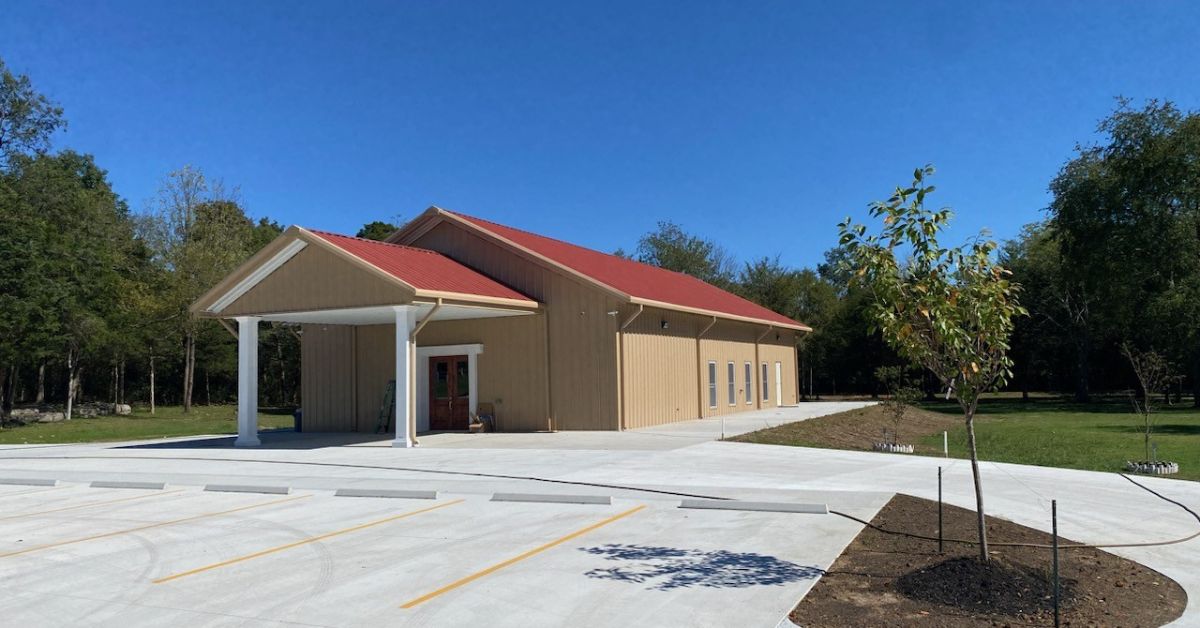
You’ve outgrown your current worship space. Your congregation has been meeting in rented facilities, multipurpose rooms, or a building that’s simply too small. Now you’re ready to build something permanent—a space where your community can gather, grow, and thrive. The question is this: What should you build it with?
More and more modern churches are choosing steel construction, and we’re here to tell you why.
Steel Aligns With Tight Budgets
Most churches operate on tight budgets. You depend on charitable giving to fund the project, but it might not be enough. After all, construction costs are at an all-time high and just keep climbing. The gap between what you’ve saved and what traditional construction costs can feel discouraging.
Steel construction changes this equation. Pre-engineered metal buildings deliver more square footage at a lower cost than conventional construction methods. You get the space your congregation needs without asking your members to give beyond their means or taking on debt that constrains your ministry budget going forward.
This cost advantage doesn’t come from cutting corners. Steel’s affordability stems from the efficiency of the construction process itself, the durability of the materials, and the speed with which you can complete your project.
Metal Buildings Create the Open, Welcoming Spaces You Envision
Walk into most large modern churches, and you’ll notice some things: open floor plans, high ceilings, and unobstructed sight lines. These design elements create an environment where everyone feels included, where the worship band has room to lead, and where your congregation can gather comfortably.
Steel makes these spaces possible in ways other materials struggle to match. The structural strength of steel framing allows you to create clear-span buildings without interior support columns blocking views or limiting your layout options. As a result, your sanctuary, fellowship hall, or multipurpose room can feel unified, and this makes your worship space more communal.
This matters because your church needs more than just a worship hall. You’re probably thinking about classrooms, youth spaces, administrative offices, fellowship areas, music rooms, and possibly a gymnasium. Steel construction adapts to all these needs within a cohesive campus design.
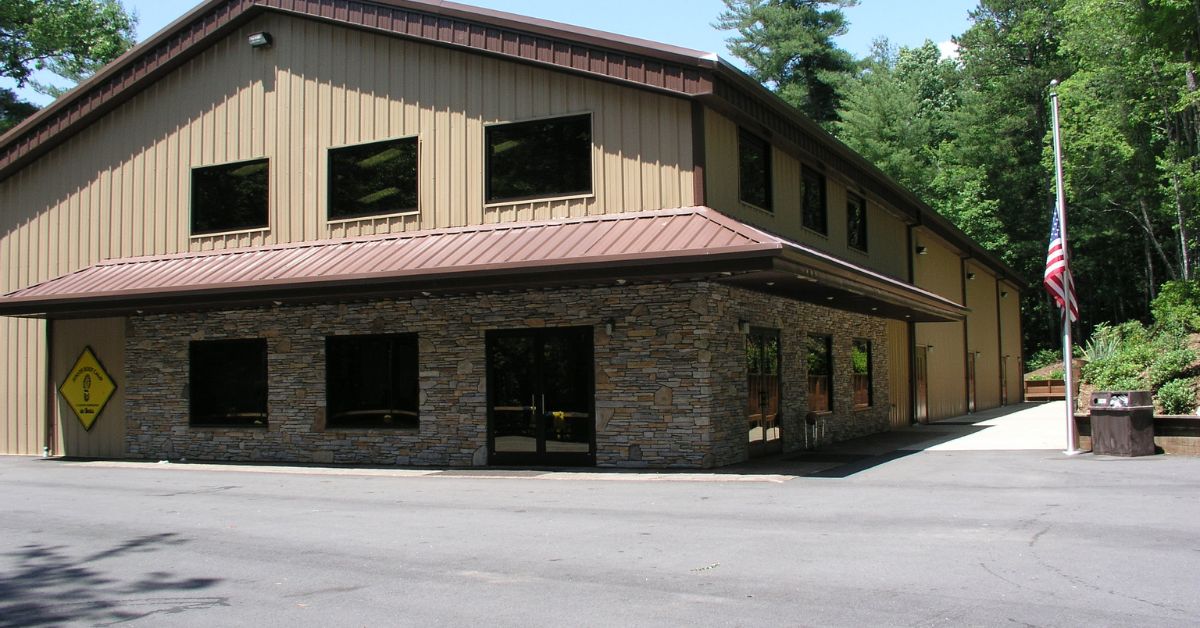
Steel Structures Can Look Like Churches, Not Warehouses
Let’s address what you might be thinking: Will a steel building look like a warehouse?
Absolutely not—unless that’s the aesthetic you’re going for. In reality, modern metal buildings can embrace a full range of architectural styles. You can design your building to reflect the traditional church aesthetic through various panel styles, colors, textures, canopies, and architectural features.
Ultimately, the material itself doesn’t dictate the building’s style—your vision does.
Steel Equals Speed
How long you’ll wait to occupy your new building matters almost as much as the building itself. Every month your construction project extends is another month of renting space, another month of working around limitations, another month before your ministry can fully function in its permanent home.
If you go the route of traditional construction, delays are all but guaranteed. On the other hand, steel buildings almost always go up faster. Setbacks can still enter the picture, but steel buildings have a huge time-saving quality: pre-engineering.
They are made from pre-engineered components that arrive ready to assemble, and experienced erectors can complete the job quickly. Many steel church building projects get done in months rather than years. Your congregation moves in sooner, your programs launch in the new space faster, and you stop paying rent on temporary facilities earlier.
Metal Buildings Can Serve Multiple Generations
You’re building for the long term. This structure will hopefully serve your children’s children, weathering decades of use while requiring minimal maintenance and repairs.
Steel delivers this kind of longevity. The material resists rot, pests, and moisture damage that plague wood-frame buildings. Its fire resistance provides additional safety protection—an important consideration when hundreds of people gather in your building each week. And lastly, weather events like heavy snow, high winds, and severe storms pose less risk to steel-framed buildings than to structures built with traditional materials. Overall, a steel church building is likely to last longer with less maintenance than one with traditional wood framing.
Maintenance Costs for Steel Stay Low
Speaking of maintenance, your building budget doesn’t end at construction. Every building requires ongoing upkeep, and those costs add up over years and decades.
Physical Upkeep
With steel church buildings, you won’t face issues like termite damage, wood rot, or structural deterioration that require expensive repairs. The money you save on maintenance can go directly into ministry programs, missions, and serving your community.
Utilities
Likewise, monthly utility bills might seem like a small concern when you’re focused on construction, but they become very real once you occupy your building. Heating and cooling a large worship space, plus all your other rooms, adds up quickly.
Metal church buildings can achieve excellent energy efficiency when properly insulated. The resulting low energy bills mean more money is available for ministry every single month, year after year.
Prefab Steel Buildings Adapt to Changing Needs
Your ministry needs will change. The youth group that’s thriving today might need a different space in five years. The classroom wing that’s perfect now might need reconfiguration as your programs evolve. The fellowship hall might need to serve different functions during the week than it does on Sundays.
Steel construction makes these adaptations easier. The open design allows you to reconfigure interior spaces without structural modifications. You can add dividing walls, remove partitions, or reimagine entire areas as your needs change. This adaptability means your building grows with your ministry instead of constraining it.
Making the Decision Your Congregation Deserves
Building a church is about stewardship—stewarding the financial resources your members have contributed, stewarding the ministry opportunities ahead, and stewarding the responsibility to create a space where people encounter God and community.
The reasons why modern churches are choosing steel construction come down to practical wisdom:
- You get more building for less money.
- You move in faster.
- You spend less on maintenance.
- You create a durable space that serves your congregation well into the future.
These aren’t small considerations when you’re making a decision that will impact your church for generations. Your congregation deserves a space that supports your ministry, inspires your worship, and serves your community. Steel construction might be exactly how you create it.
At Arco Building Systems, our metal church buildings support smart stewardship without compromise. We offer pre-engineered building systems, customization options, and a commitment to quality that are worth exploring.