
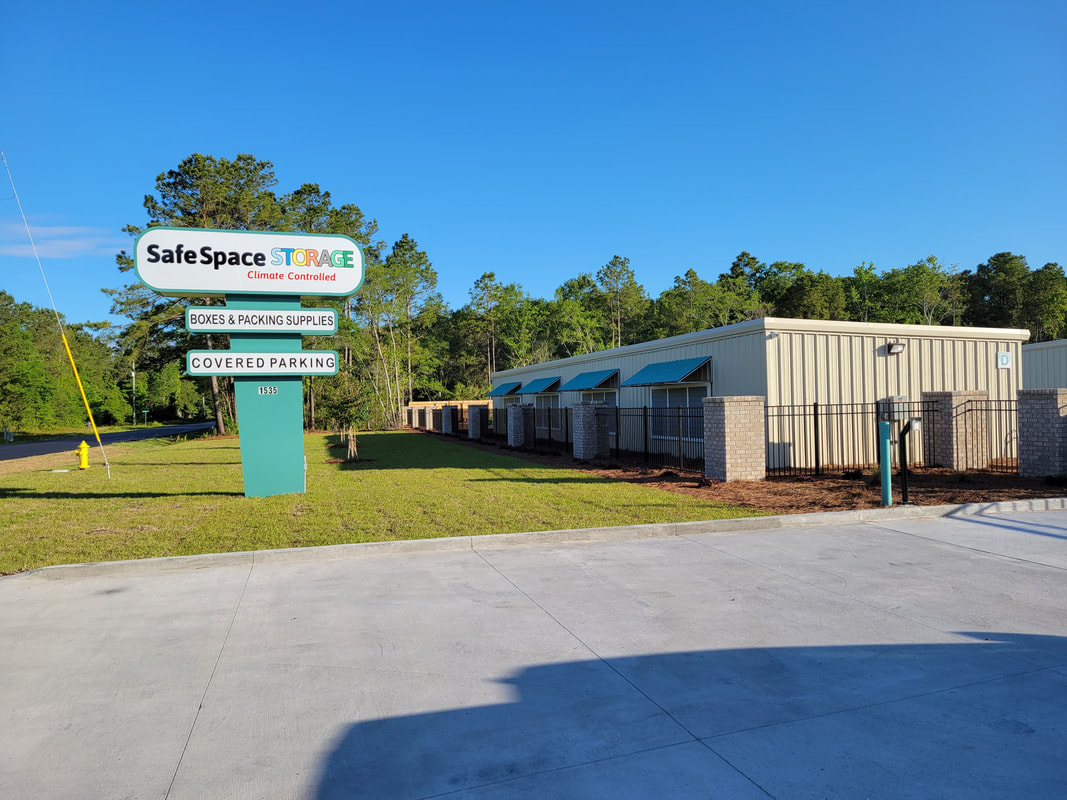
Running a self-storage facility is a serious investment in your land, your building, and your reputation. Your tenants are trusting you with their furniture, their business inventory, and sometimes their most prized possessions. That trust is worth protecting.
Fortunately, if you’re operating out of a steel building, you’re already starting in a strong position. But there’s still plenty you can do to tighten things up. This guide walks you through exactly how to optimize security in steel storage facilities so your property stays protected and your tenants stay happy.
Understand How Steel Storage Facilities Are Inherently Secure
Let’s give credit where it’s due. Steel is one of the best materials you could have chosen for a storage facility. Pre-engineered steel mini warehouse buildings are built tough. The walls, roof panels, and structural framing are all steel, which means you don’t deal with the vulnerabilities that come with wood-framed construction, like rot, warping, or easy penetration.
Steel buildings resist forced entry far better than most alternatives. A determined thief with a crowbar is going to have a much harder time breaching a steel wall than a wood-framed one. Steel doors and roll-up door systems are also considerably more robust than their wood or hollow-core counterparts. On top of that, steel is fire-resistant, which protects your tenants’ belongings from one of the most destructive threats a storage facility faces.
The point is you’ve already made a smart structural choice. Now it’s time to start layering smart operational and technological security on top of that foundation.
Install Access Control as Your First Line of Defense
The most direct way to protect your facility is by controlling who gets in—and when. Keypads and gate codes are crucial. If you haven’t already upgraded to individual access codes for each tenant, that should be high on your priority list. Individual codes let you know exactly who accessed the property and when, and you can deactivate a specific code the moment a tenant moves out without disrupting anyone else.
Smart access systems take this a step further. Many modern platforms let tenants access the facility through a mobile app, and they give you a real-time audit trail right from your dashboard. You’ll know if someone is accessing the property at 2 a.m., and you can set access hour restrictions so that the gate simply won’t open outside of whatever hours you define.
Door-level access control on individual units is also worth considering. Smart locks tied to a central management system let you lock out a delinquent tenant remotely without a physical visit.
Upgrade Lighting and Visibility
Criminals look for cover in shadows, blind spots, and other areas where they won’t be seen. If your property is properly lit, you take that cover away.
Motion-activated lights are a practical and energy-efficient choice. They draw immediate attention to movement during off-hours, and they’re cost-effective because they’re not running at full power all night. Put them at every entrance, along the building corridors, near the gate, and in any corner of the property that doesn’t get natural visibility.
Good lighting also works in tandem with your camera system. A dark facility produces grainy, unusable footage. Proper illumination means your cameras capture clean, identifiable images, which matters both as a deterrent and as evidence if something does go wrong.
Place Your Camera System Well
Speaking of cameras, they’re only useful if they’re placed correctly and maintained properly. A single camera above the main gate is not an effective security system.
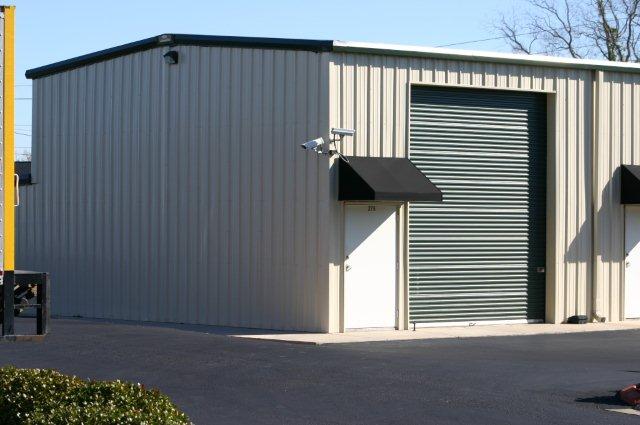
Think about coverage in terms of zones. Every entry and exit point needs a camera. Drive aisles between building rows need coverage. Any dead-end corridors or low-traffic areas are exactly where you want a lens pointed. And if your facility has multiple buildings, treat each one as its own zone with dedicated coverage.
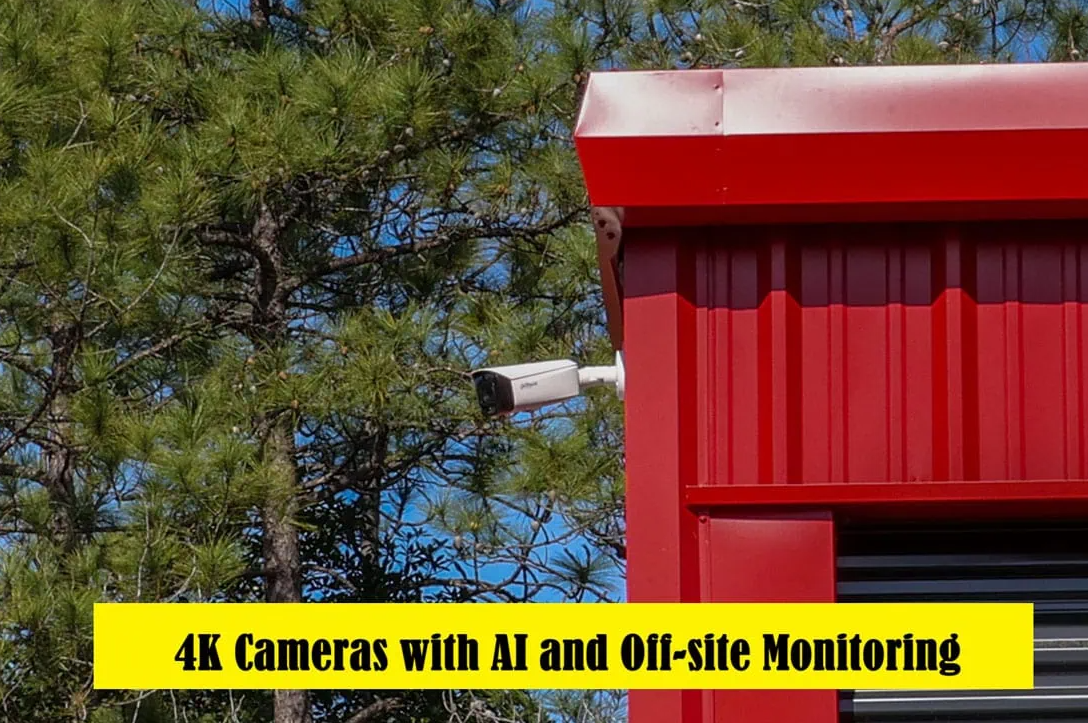
Modern IP cameras give you high-resolution footage, remote viewing from your phone or computer, and cloud or local storage options. Choose a system with enough storage capacity to retain footage for at least 30 days. Many facility operators go longer. For instance, 60 to 90 days is reasonable if your storage budget allows it.
Finally, check your cameras regularly. A camera with a dirty lens, a loose mount, or a dead connection is no camera at all.
Add Physical Perimeter Security
Your steel buildings are solid, but your property line needs attention too. A high-quality perimeter fence defines the boundary and creates a physical obstacle for interested thieves.
If you’re building new or expanding, single-entry-point design is worth considering. The fewer ways onto your property, the easier it is to monitor and control access. A single gated entrance with a camera and access control system is far easier to manage than three or four points of entry.
Bollards or concrete barriers near your main building entrances can also prevent things like someone ramming a truck into your roll-up doors.
Address Tenant Communication and Community Awareness
Your tenants are eyes on the ground, so a good relationship with them is a security asset. Start by letting them know what security measures you have in place since this builds confidence and encourages them to report anything suspicious.
You can also consider a direct line (such as a phone number or text line) where tenants can report concerns. You don’t have to be on-site 24/7 to stay informed.
Bring It All Together With a Security Audit
The most effective approach to security is to treat it as an evolving system, not a checklist you run through before signing on customers. Every year or so, hire someone to stop by your facility and perform a security audit. This professional has objective, third-party eyes that can notice where someone might hide, where your cameras have gaps, where your lighting falls short, and so forth. They spot developing problems before they become a security nightmare.
Ultimately, when you start off with a self-storage building kit from Arco, you’re already investing in your facility’s security. All that’s left to do is optimize safety in your steel storage facility with the right access controls, lighting, cameras, fencing, tenant communication, and audits. In doing so, you’ll protect your investment and the people who depend on you.