
Easy Steps To Maintain Your Commercial Metal Building
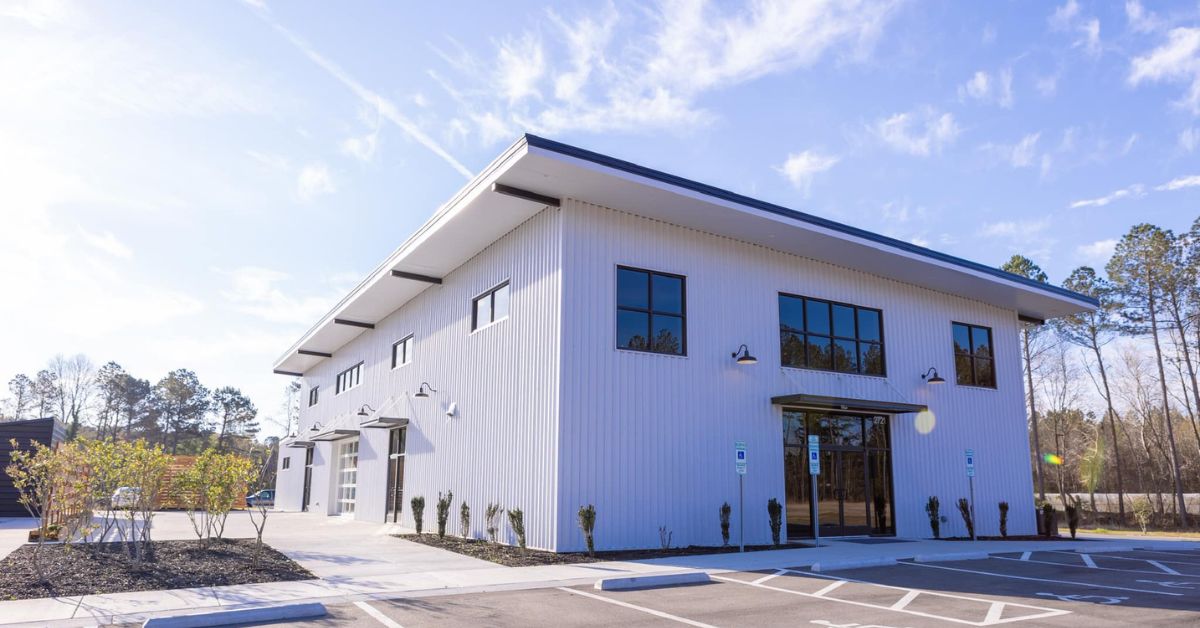
You made a smart investment when you chose a metal building for your business. Steel is built to last for decades. But even the lowest-maintenance structures still require some upkeep. If you want your commercial metal building to stay in top condition and maintain its value for the long haul, here’s a list of easy steps to follow.
Key Takeaways
- Inspect your commercial metal building at least once a year and after severe weather.
- Keep the roof and gutters clear to prevent standing water, leaks, and corrosion.
- Tighten loose fasteners and replace worn sealant around roof penetrations to maintain a watertight seal.
- Repair scratches and rust spots quickly to protect metal panels from corrosion.
- Maintain the seals on doors and windows to block out moisture, drafts, and pests.
- Improve drainage around the foundation to prevent erosion and panel corrosion.
- Check insulation and ventilation to reduce interior condensation.
Put a Routine Inspection Schedule in Place
You don’t need to inspect every square inch of your building every week, but you do need to complete at least one thorough inspection every year. A biannual schedule is even better, and it should also entail quick walkthroughs after any severe weather event.
During your inspections, you’re looking for anything that’s damaged or out of place, such as the following:
- rust spots
- standing water
- dents
- gaps in the sealant
- loose fasteners
- accumulated debris
Catching these things early might mean the difference between a five-minute fix and a multi-thousand-dollar repair.
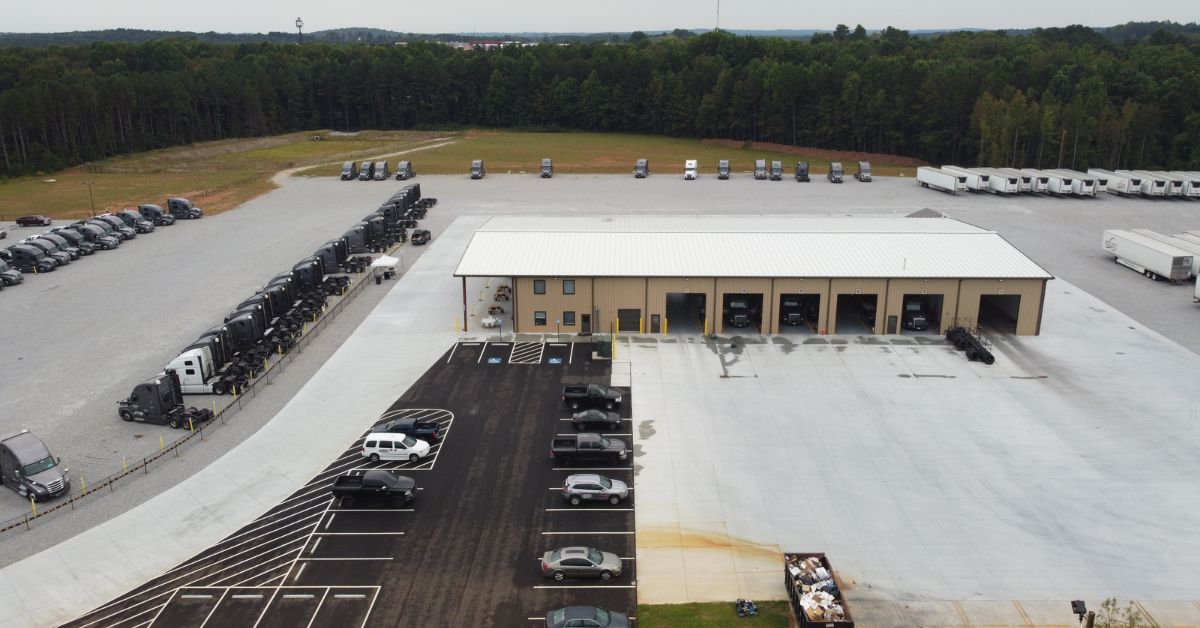
Mind the Roof
Your roof takes the brunt of everything the weather throws at it, which makes it your building’s most important line of defense.
Clear Debris
The biggest risk factor for a roof is natural debris (like leaves and dirt) accumulating on top and trapping moisture against the panels, as this encourages corrosion. After storms, clear off any accumulated debris as soon as it’s safe to do so. And if you’ve got gutters and downspouts on your building, check them at least twice a year and clear out any blockages. Clogged gutters force water to pool along the roofline, and that pooled water can work its way into seams and around fasteners. A clean, free-draining roof stays dry, and a dry roof lasts longer.
Tighten Fasteners
Roof fasteners can back out over time due to thermal expansion and contraction. If you notice any fasteners that look raised or loose during your inspections, re-tighten them. Replace any corroded fasteners.
Redo Sealant
The sealant around penetrations like HVAC units, skylights, vents, and pipe boots also breaks down with age. Run your hand along these areas and use a flashlight to look for cracking or shrinking, which shows up as gaps between the sealant and the roof. If necessary, re-caulk degraded portions.
Protect the Exterior Panels From Corrosion
The steel panels made for modern metal buildings come with factory-applied coatings that protect against corrosion, but those coatings aren’t invincible. Any scratches can expose the underlying steel, which then becomes a point of vulnerability.
Buy a touch-up kit that matches your building’s finish, and use it promptly on any damaged areas to keep the underlying steel sealed off from moisture.
If you spot a rust stain on your panels, don’t assume it’s coming from the panels themselves. In many cases, rust staining on metal buildings comes from a nearby source, like a metal roof vent or a rusting piece of equipment stored against the wall. Identify the source first, then treat the panel.
For corrosion on the panels themselves, wire-brush the affected area down to clean metal, apply a rust-inhibiting primer, and then re-coat with a compatible exterior paint. Doing this at the first sign of rust stops it from spreading beneath the panel coating, where it becomes much harder to address.
Inspect and Maintain Doors and Windows
A door or window that doesn’t seal properly lets in moisture, drafts, and pests. Therefore, you want to check all door hardware, including hinges, latches, rollers, and tracks, on a regular basis. Lubricate moving parts with a silicone-based lubricant at least once a year.
Additionally, check the weatherstripping around all entry doors and replace it when it no longer creates a tight seal. Gaps here let in moisture and increase your heating and cooling costs.
Manage Water and Drainage Around the Foundation
Water that pools near your foundation is one of the most damaging things your building can face. Given enough time, standing water works into the base angle of your building, which accelerates corrosion at the base of the panels and can cause settling or erosion of the concrete slab.
Evaluate the Land’s Grading
After a heavy rain, take a walk around the perimeter of your building and check for spots where water is collecting. The ground around your building should slope away from the foundation at a rate of at least 6 inches over 10 feet. If you’ve got areas where water is running toward the building, you’ll want to re-grade the soil or add drainage solutions like French drains or swales.
Keep Vegetation Under Control
You should also keep vegetation trimmed back from the building’s base. Shrubs and overgrown grass can hold moisture against the panels and foundation, and the roots of hardy plants can eventually crack your concrete slab.
Keep Insulation in Good Shape
Good insulation does two things for your commercial metal building: It keeps your interior temperature stable, and it prevents condensation from forming on the interior surface of your panels.
Condensation is one of the sneakiest sources of corrosion in metal buildings because it builds up on the inside where you can’t easily see it.
Check your insulation annually for any signs of compression or gaps that have opened up along the edges. If you’re noticing condensation on the interior walls or ceiling, that’s a sign that your insulation has a gap or that it’s simply no longer performing as it should. Address it before the moisture problem compounds into a corrosion issue.
Evaluate Ventilation
Your building’s interior can generate moisture from everyday operations, whether that’s from equipment, humidity from workers, cooking, or any other process that releases steam or water vapor. If that moisture doesn’t have a way to escape, it condenses on the steel frame and panels.
So make sure your building has adequate ventilation for the activities happening inside it. Ridge vents, louvers, and exhaust fans all move humid air out of the building and replace it with drier outside air. If your operation has changed since the building was first installed, you may need to re-evaluate whether your ventilation is still adequate for the current use.
Stay on Top of Pest Control
Steel buildings are much, much less vulnerable to pests than wooden structures are, but desperate critters will try to hole up almost anywhere.
Seal any gaps you find around penetrations and main entry points. Check the condition of all door bottom seals. And if you’re seeing signs of pest activity inside your building, call a licensed pest control professional.
You’ve Got Everything You Need to Protect Your Investment
Stay on top of these easy steps, and you should be able to maintain your commercial metal building for the long haul. The buildings that last the longest are the ones owned by people who stay on top of the basics.
At Arco, our commercial metal buildings are built with long-term durability in mind from day one. Contact us to inquire about a new prefabricated red iron steel structure for your operations or get advice for maintaining the one you already own.