
When planning a new metal building project, one of the first decisions involves selecting a construction method. Many buyers compare weld-up and bolt-up metal buildings because each option offers unique advantages for different applications.
The right choice depends on factors such as project size, budget, construction timeline, labor availability, and long-term building goals. Understanding how these systems differ can help you choose a solution that supports your needs while avoiding unnecessary costs or delays.
What Is a Weld-Up Metal Building?
A weld-up metal building consists of steel components that crews fabricate and weld together on the job site. Contractors typically purchase raw steel materials and cut, fit, and weld the structural members during construction.
This approach gives builders significant flexibility because they can customize many aspects of the structure as work progresses. Weld-up construction has existed for decades and remains common for specialized projects that require extensive customization.
However, weld-up buildings often require experienced welders, additional equipment, and more labor hours compared to pre-engineered alternatives.
What Is a Bolt-Up Metal Building?
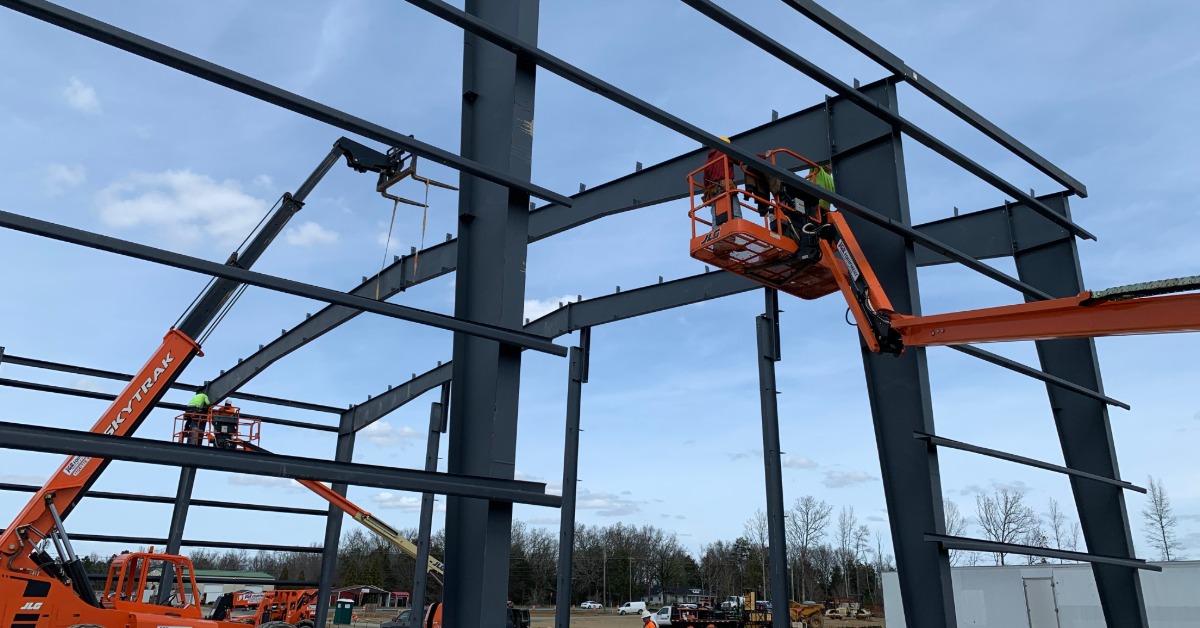
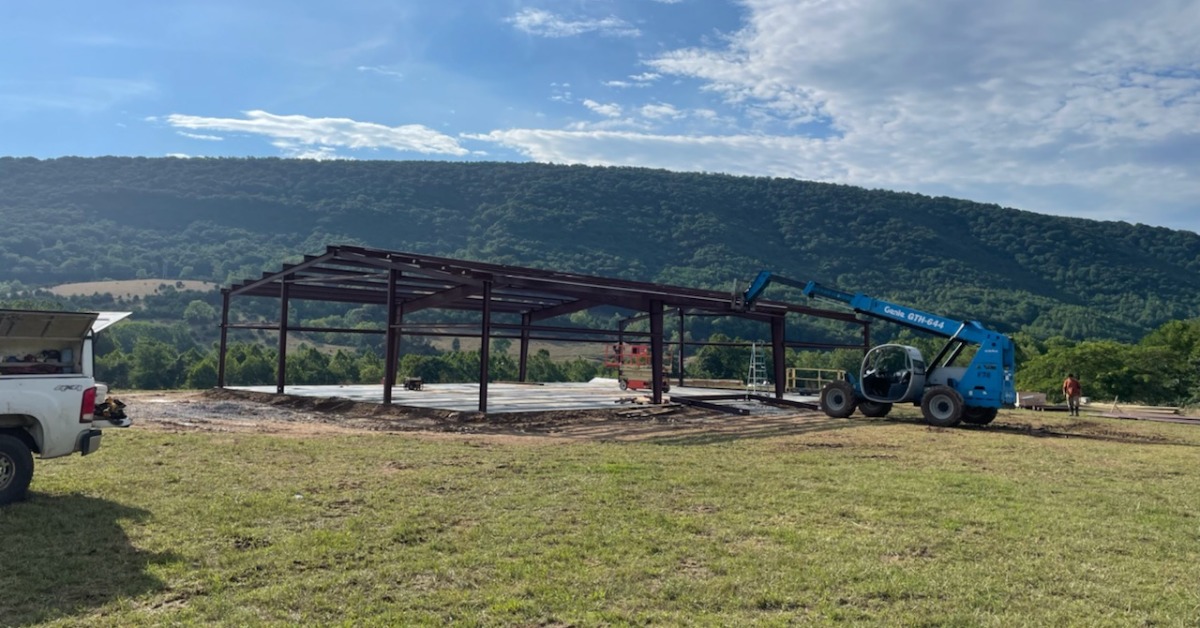
A bolt-up metal building arrives with engineered components manufactured to precise specifications. Crews assemble the structure by bolting together pre-fabricated parts according to engineered drawings.
Most modern metal building kits use this method. Manufacturers design the structural framing, roof system, and wall system before production begins.
Because the components arrive ready for assembly, contractors spend less time making field modifications. This streamlined process helps many projects move from delivery to completion more efficiently.
How Does Construction Time Compare?
Construction speed often plays a major role when choosing between weld-up and bolt-up systems.
Weld-up buildings require substantial field fabrication. Contractors must measure, cut, align, and weld structural components throughout the project. Each step adds time and creates opportunities for delays caused by weather, labor shortages, or fabrication errors.
Bolt-up systems reduce much of that field work. Components arrive engineered and manufactured to fit together as designed. Crews focus primarily on assembly instead of fabrication.
For many commercial and industrial projects, faster construction translates into lower labor costs and earlier building occupancy.
Which Option Requires More Skilled Labor?
Weld-up construction depends heavily on skilled welders and experienced steel fabricators.
Finding qualified welders can prove challenging in some regions. Labor shortages may increase project costs and extend schedules. Weld quality also affects structural performance, making experienced personnel essential.
Bolt-up buildings generally require construction crews familiar with steel building assembly, but they eliminate most field welding requirements. Since manufacturers complete the welding process before shipment, installers focus on positioning and fastening components.
This advantage often makes bolt-up buildings more accessible in markets where skilled welding labor remains limited.
How Do Costs Differ?
Cost comparisons depend on project specifications, local labor rates, and material pricing. However, bolt-up buildings frequently offer greater cost predictability.
Weld-up projects may encounter unexpected expenses related to labor, field modifications, equipment rentals, and material waste. Changes during construction can also increase costs.
Bolt-up systems typically arrive with engineered plans and predetermined material quantities. This level of planning helps owners estimate project expenses more accurately.
Although every project differs, many buyers appreciate the budget certainty associated with engineered metal building systems.
What About Engineering and Design?
Engineering plays an important role in modern metal building construction.
Weld-up buildings often rely on local engineers and contractors to determine structural requirements. Design flexibility remains a significant advantage, especially for unique architectural projects.
Bolt-up buildings use engineered systems designed specifically for the project’s dimensions, location, and loading requirements. Manufacturers account for factors such as wind loads, snow loads, and building use during the engineering process.
This approach helps ensure structural consistency while simplifying the design phase for many owners.
Which Building Type Offers Better Quality Control?
With weld-up construction, much of the fabrication occurs outdoors on the job site. Weather conditions, site limitations, and varying workmanship can influence the finished product.
Bolt-up systems benefit from factory-controlled manufacturing environments. Manufacturers use specialized equipment and standardized production processes to create structural components.
This consistency often results in tighter tolerances and more uniform construction quality across the entire building.
How Does Future Expansion Work?
Weld-up buildings can accommodate expansions, but modifications often require additional engineering and field fabrication. Contractors may need to cut, weld, and reinforce structural members during expansion work.
Bolt-up buildings also support future expansion. Many engineered systems incorporate expandable endwall designs that simplify building length extensions.
Businesses expecting future growth should discuss expansion plans during the initial design phase regardless of the construction method they choose.
Which Option Works Best for Commercial Applications?
Commercial projects frequently prioritize speed, efficiency, and predictable costs.
Retail spaces, warehouses, manufacturing facilities, and distribution centers often benefit from the advantages offered by bolt-up construction. Faster assembly and engineered designs help businesses bring facilities online sooner.
Many commercial developers choose bolt-up systems because they streamline project management and reduce construction complexity.
As demand for prefab metal buildings continues to grow, engineered bolt-up systems remain a popular choice throughout the commercial sector.
Are Weld-Up Buildings More Customizable?
Customization represents one of the strongest arguments for weld-up construction.
Builders can make field adjustments and accommodate unique layouts during the fabrication process. Projects with unusual dimensions, specialized structural requirements, or complex architectural elements may benefit from this flexibility.
However, modern bolt-up systems also offer substantial customization options. Buyers can select various building widths, lengths, heights, roof configurations, wall systems, colors, and accessories.
For many projects, engineered customization provides sufficient flexibility without sacrificing efficiency.
What Maintenance Considerations Should Owners Expect?
Long-term maintenance affects the overall value of any building investment.
Properly constructed weld-up and bolt-up buildings can both provide decades of reliable service. Maintenance requirements often depend more on material quality and installation practices than on the construction method itself.
Owners should regularly inspect:
- Roof panels and fasteners
- Sealants and weatherproofing systems
- Gutters and drainage components
- Doors and openings
- Structural connections
Routine inspections help identify minor issues before they develop into costly repairs.
Which Building Method Supports Faster Project Planning?
Project planning often determines whether construction proceeds smoothly.
Weld-up projects may involve multiple vendors, fabricators, engineers, and contractors. Coordinating these parties can increase project complexity.
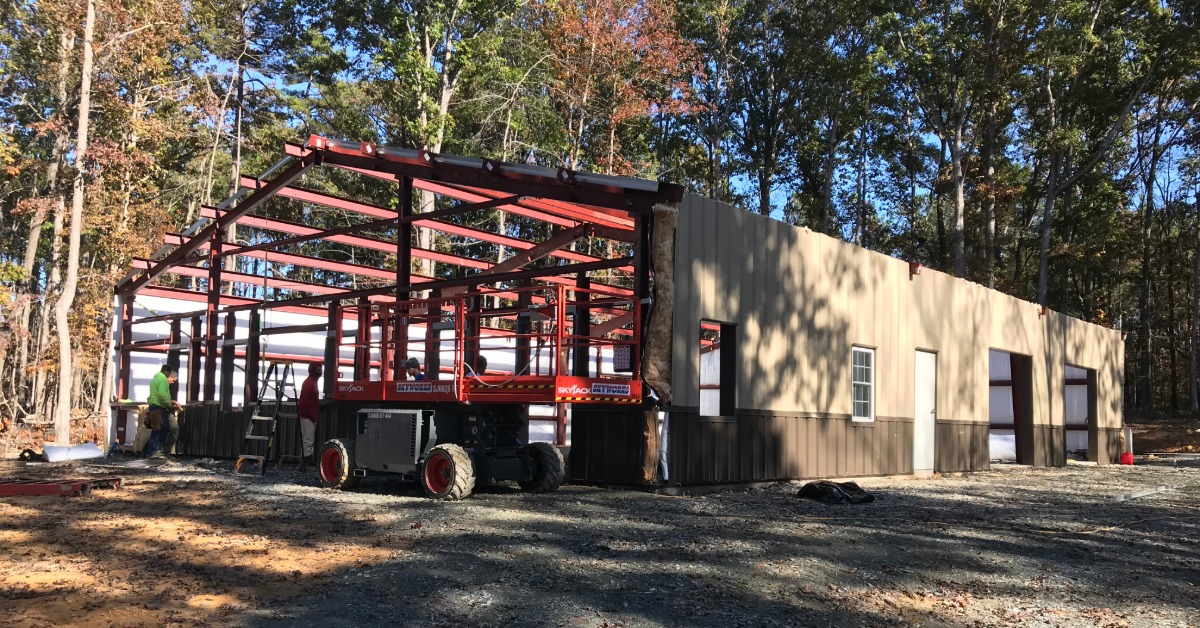
Bolt-up systems simplify many planning tasks because manufacturers provide engineered components designed to work together. Buyers receive detailed drawings, material packages, and clear installation requirements.
This coordinated approach helps reduce uncertainty throughout the construction process.
When Does a Weld-Up Building Make Sense?
A weld-up building may prove beneficial when:
- The project requires extensive custom fabrication
- Unique architectural features drive design decisions
- Local welding expertise remains readily available
- Construction schedules allow for longer fabrication timelines
These projects often prioritize flexibility over speed and standardization.
When Does a Bolt-Up Building Make Sense?
A bolt-up building often serves as the preferred solution when:
- Fast construction matters
- Budget predictability is important
- Engineered performance requirements exist
- Labor efficiency affects project costs
- Future expansion remains a possibility
These advantages explain why many modern industrial, commercial, agricultural, and storage facilities utilize bolt-up systems.
Finding What’s Right for You
Choosing between a weld-up or bolt-up metal building requires balancing customization, construction speed, labor requirements, and overall project goals. Weld-up systems offer flexibility for specialized applications, while bolt-up systems provide engineered efficiency, predictable costs, and streamlined construction.
For many commercial, industrial, agricultural, and storage projects, bolt-up metal building kits deliver an attractive combination of performance and value. Evaluating your site’s requirements, timeline, and future growth plans can help determine which approach aligns best with your long-term objectives.