
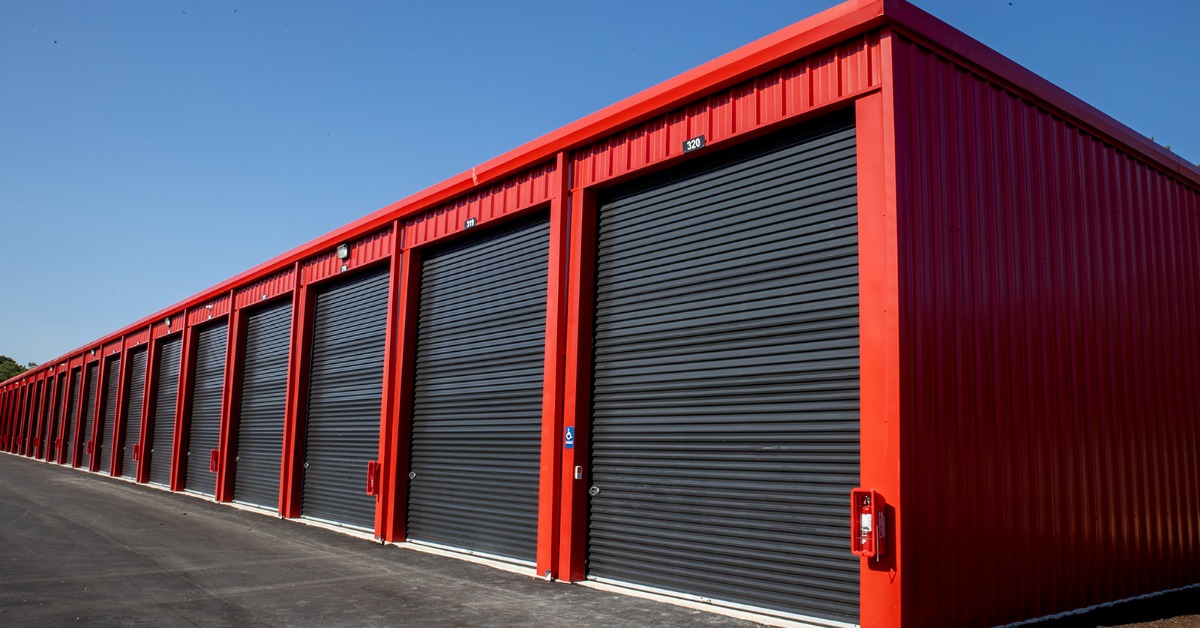
Self-storage has become an attractive investment option because it offers steady demand, flexible business models, and opportunities for long-term growth. Population changes, smaller living spaces, and expanding small businesses continue to increase the need for secure storage across the country. Before investing in a facility, you need a clear understanding of planning, budgeting, and market conditions.
A successful self-storage investment starts long before construction begins. Every decision, from choosing a location to selecting the right building design, affects long-term profitability. Investors who prepare carefully can reduce costly surprises and create facilities that serve customers for years.
Why Does Self-Storage Continue to Attract Investors?
Self-storage remains popular because demand comes from many different customer groups. Homeowners use storage during moves or renovations. Businesses need extra space for inventory, equipment, and records. Contractors, retailers, and recreational vehicle owners also create consistent demand.
Unlike many commercial properties, self-storage facilities require fewer interior improvements between customers. That helps owners control maintenance costs while keeping units available for new rentals.
Many investors also appreciate the flexibility that comes with expanding a successful facility over time as market demand increases.
How Do You Evaluate a Self-Storage Market?
Every successful project begins with market research. Even an attractive property can struggle if the surrounding market already has enough storage space.
Study local population trends, housing growth, employment, and commercial development. Areas experiencing residential expansion often generate additional storage demand. Growing business districts may also support larger commercial storage needs.
Review competing facilities to understand:
- Occupancy rates
- Rental pricing
- Unit sizes
- Security features
- Climate-controlled availability
- Expansion opportunities
Strong research provides a realistic picture of future revenue potential.
What Makes a Good Site for a Self-Storage Facility?
Location affects both visibility and convenience. Customers prefer facilities that sit near major roads with simple access.
A quality site should provide enough land for current construction while leaving room for future expansion. Adequate vehicle circulation also improves customer satisfaction, especially for larger moving trucks and trailers.
Before purchasing land, investigate:
- Local zoning requirements
- Utility availability
- Drainage conditions
- Traffic patterns
- Environmental restrictions
These factors can significantly affect construction schedules and development costs.
Why Should Investors Understand Local Regulations Early?
Many first-time investors underestimate the importance of local regulations. Every municipality has different zoning ordinances, permitting requirements, setbacks, and design standards.
Meet with local planning departments before finalizing property purchases. Early discussions often reveal potential issues before they become expensive delays.
You should also confirm building code requirements, fire protection standards, accessibility regulations, and stormwater management requirements.
Working with experienced professionals during the planning phase helps avoid unnecessary revisions later.
How Can You Choose the Right Facility Size?
Building too small can limit future revenue. Building too large can increase financing costs before occupancy grows.
Market research helps determine the right balance. Review nearby facilities to identify unit sizes that remain consistently occupied.
Many successful developments include a mix of:
- Small personal storage units
- Medium household storage units
- Large commercial storage spaces
- Vehicle or boat storage where appropriate
Offering several unit sizes allows facilities to serve a broader customer base while improving occupancy opportunities.
Why Does Building Design Matter?
Building design affects both customer experience and operating efficiency.
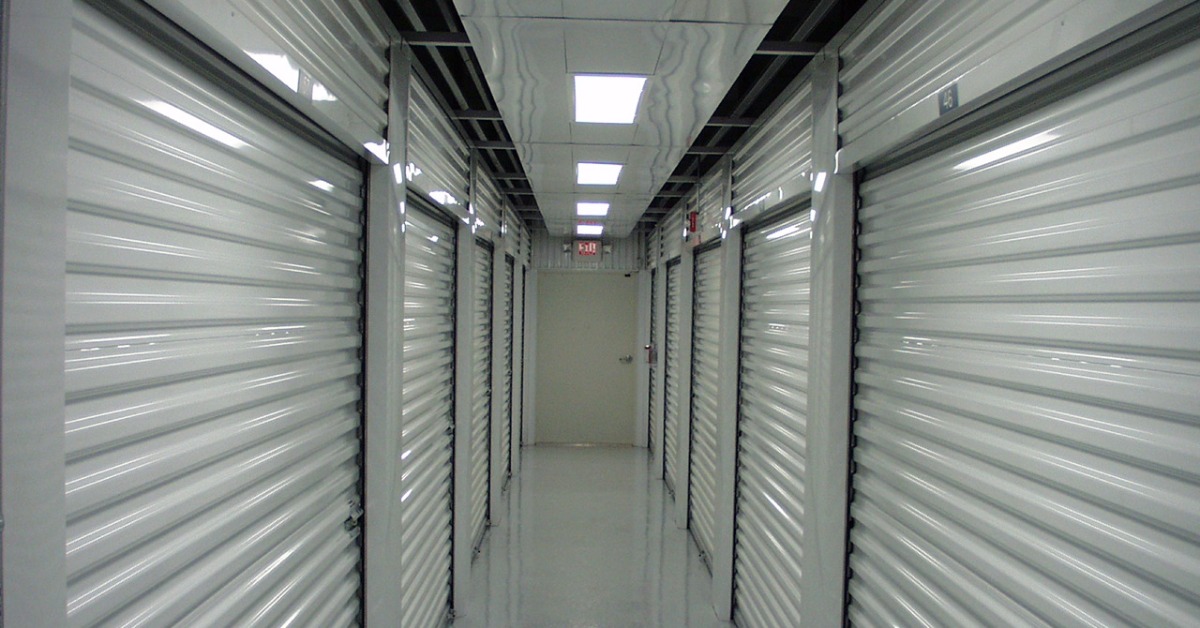
A thoughtful layout creates smooth traffic flow, simplifies navigation, and improves security. Wide drive aisles allow moving trucks to maneuver comfortably while reducing congestion.
Efficient layouts also maximize rentable square footage without sacrificing accessibility.
Many investors choose storage unit building kits because they provide flexible layouts that support future expansion while allowing efficient construction planning.
The building should also include durable exterior materials that perform well under local weather conditions and require minimal long-term maintenance.
What Security Features Should You Include?
Security remains one of the most important concerns for storage customers.
Modern facilities often combine multiple security systems to protect both customers and property. Strong security also improves customer confidence and supports long-term occupancy.
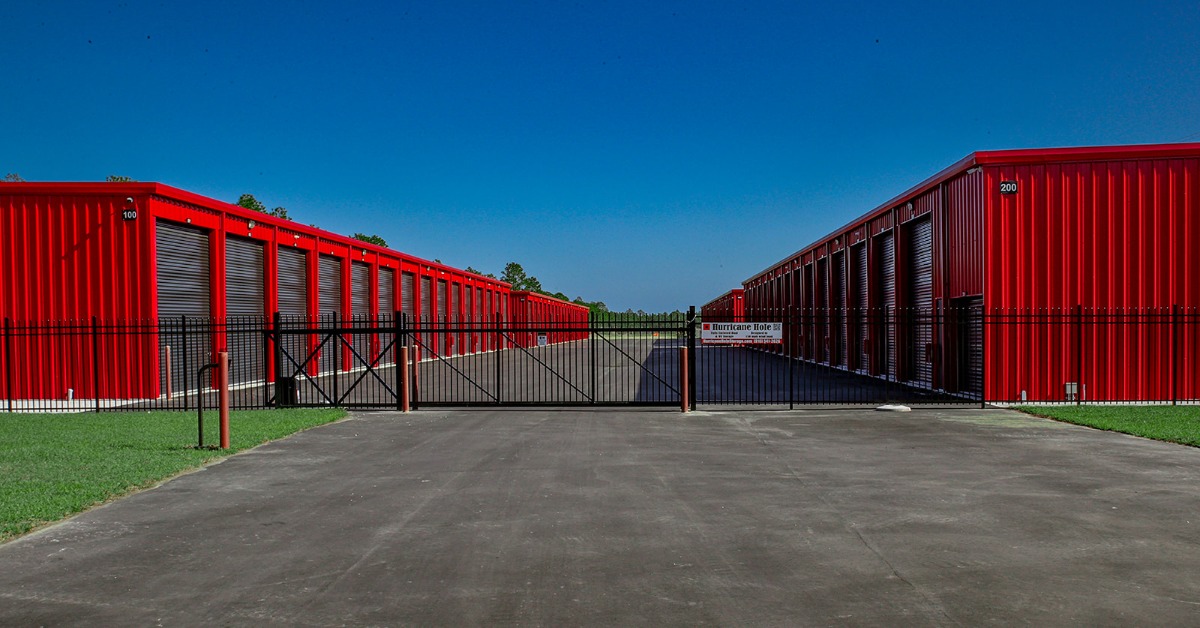
Common security features include gated access, perimeter fencing, surveillance cameras, keypad entry systems, and well-designed exterior lighting.
Managers should also maintain clear visibility throughout the property by minimizing blind spots and keeping landscaping under control.
How Do You Plan for Future Growth?
Many successful facilities expand over time rather than building every phase immediately.
If your property allows expansion, reserve enough land for additional buildings or new unit configurations. Expansion becomes much easier when site planning accounts for future development from the beginning.
Utility placement, stormwater systems, parking, and internal roadways should all support additional construction without requiring major redesigns.
Long-term planning gives investors greater flexibility as customer demand changes.
Why Does Construction Quality Affect Long-Term Returns?
Construction quality influences maintenance costs for decades.
Durable materials help reduce repairs while maintaining an attractive appearance for customers. Strong structural systems also provide dependable performance under varying weather conditions.
Investors should work with experienced suppliers that understand commercial building requirements and provide engineered systems designed for local building codes.
Quality construction often reduces operating expenses while protecting the property’s long-term value.
How Should You Budget Beyond Construction Costs?
Construction represents only one portion of the overall investment.
New investors should prepare detailed budgets that include permitting fees, engineering services, site preparation, utilities, insurance, marketing, financing expenses, and contingency funds.
Operating expenses continue after construction ends. Property taxes, maintenance, landscaping, security monitoring, software, staffing, and repairs all affect profitability.
A realistic financial plan helps investors avoid cash flow challenges during lease-up.
What Amenities Do Customers Value Most?
Easy access, clean facilities, convenient payment options, and dependable security remain top priorities for most renters.
Many facilities also benefit from features such as wide drive aisles, covered loading areas, quality lighting, online reservations, automatic payment systems, and clearly marked unit numbering.
Simple improvements that increase convenience often contribute to stronger customer retention.
How Can Marketing Support Occupancy?
Even an excellent facility requires consistent marketing.
Digital marketing plays a major role in attracting new renters. Accurate online listings, local search optimization, professional photography, and positive customer reviews all influence rental decisions.
Local partnerships can also increase visibility. Moving companies, apartment communities, real estate professionals, and contractors frequently interact with customers who need storage space.
Consistent branding across signage, websites, and advertising helps build recognition within the community.
Why Should Investors Work With Experienced Building Suppliers?
Developing a self-storage facility involves many moving parts.
Experienced building suppliers understand engineering requirements, project coordination, and building system options that support efficient construction. They can also help investors choose building configurations that align with operational goals and future expansion plans.
For companies such as Arco Building Systems, decades of experience supplying red-iron metal building systems allow investors to receive dependable building solutions backed by knowledgeable customer support. As a family-owned supplier serving customers nationwide since 1979, Arco focuses on providing high-quality building materials and personalized service throughout the planning process.
Choosing knowledgeable partners early often leads to smoother project execution from planning through construction.
Self-Storage for the Future
Self-storage continues to offer attractive opportunities for investors who approach development with careful planning and realistic expectations. Market research, location analysis, thoughtful facility design, quality construction, and long-term financial planning all contribute to stronger investment outcomes.
Rather than focusing only on initial construction costs, successful investors evaluate every stage of the project, from permitting through future expansion. Building flexibility into the design allows facilities to adapt as customer demand changes over time.
Working with experienced professionals like Arco Building Systems also helps reduce uncertainty throughout the development process. With careful preparation and informed decision-making, new investors can create self-storage facilities that provide lasting value for both customers and owners.