
Business growth brings exciting opportunities, but it also creates challenges when existing facilities no longer support daily operations. Companies often need additional storage, larger work areas, or more room for employees as demand increases. Commercial metal buildings offer a practical solution that helps business owners expand without sacrificing functionality or long-term value.
With flexible layouts, durable construction, and efficient installation, these buildings support companies across many industries. Understanding their advantages can help business owners make informed decisions about their next expansion project.
How Do Commercial Metal Buildings Support Business Growth?
Growing businesses need facilities that can accommodate changing operational demands. Commercial metal buildings provide adaptable spaces that owners can customize for manufacturing, warehousing, retail operations, or equipment storage.
Unlike facilities with restrictive interior layouts, many pre-engineered metal buildings offer wide, open floor plans. Businesses can organize their operations around equipment requirements, workflow patterns, and available space.
This flexibility allows companies to create facilities that meet current needs while considering future growth. Owners can also explore expansion options during the initial planning process.
Why Are Metal Buildings Cost-Effective for Expanding Companies?
Construction costs play an important role in business expansion decisions. Metal building systems can help companies manage expenses through efficient engineering, material fabrication, and installation processes.
Manufacturers produce building components according to predetermined specifications, reducing the amount of cutting and modification crews must complete on-site. This approach can also limit material waste and unnecessary labor.
Businesses should still consider foundation requirements, site preparation, permits, and interior improvements when evaluating total project costs. Comparing complete project estimates provides a clearer understanding of potential savings.
How Does Faster Construction Help Businesses Expand?
Expansion projects often create scheduling challenges for companies that need additional space quickly. Traditional construction methods may involve lengthy material preparation and extensive on-site adjustments.
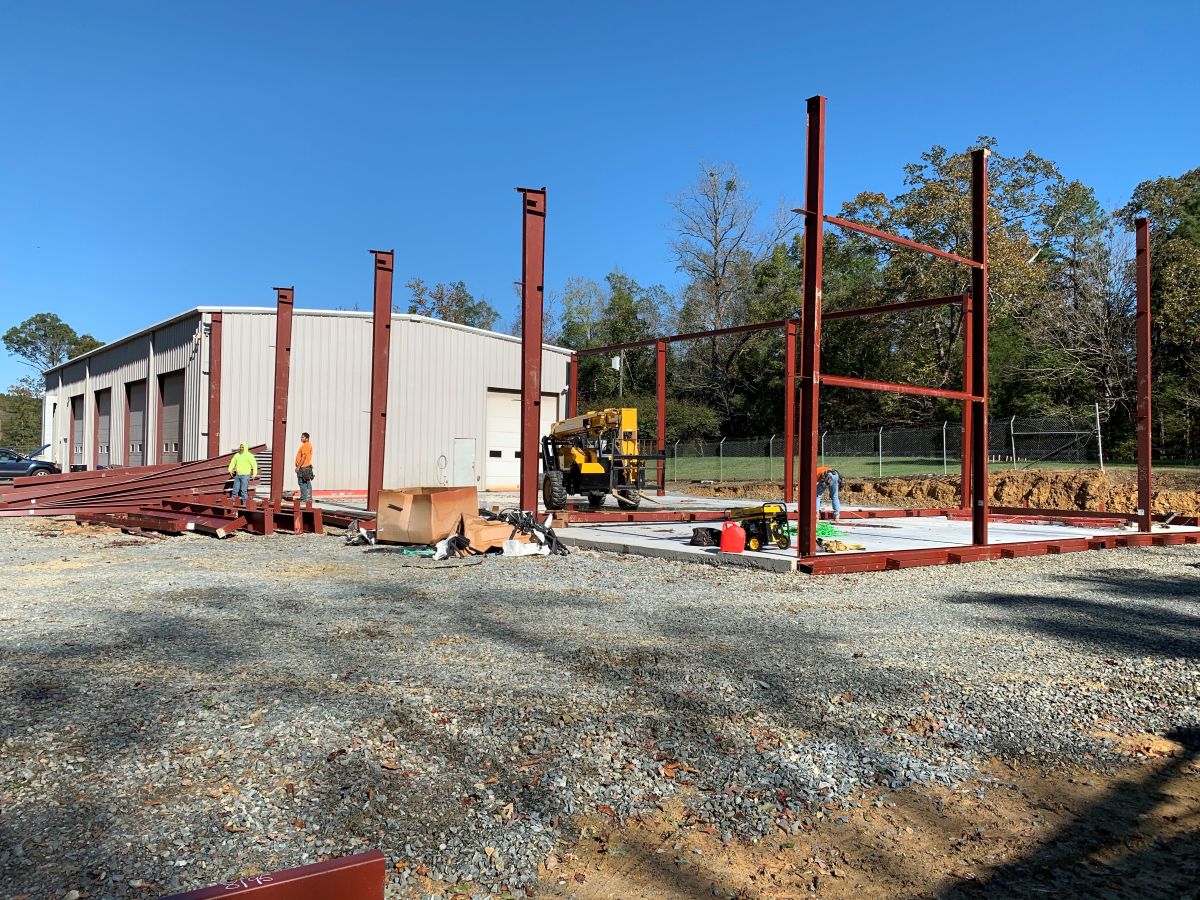
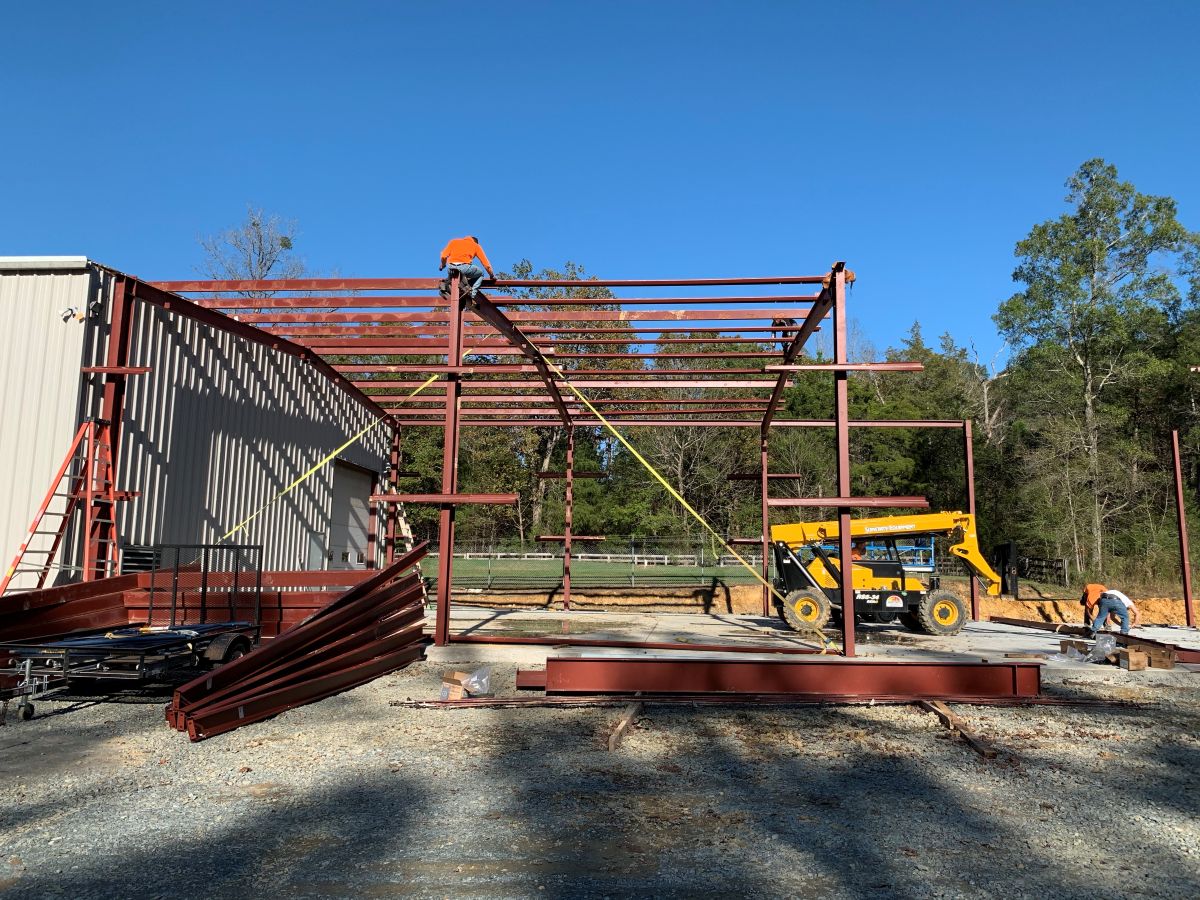
Prefabricated commercial buildings simplify portions of the construction process because manufacturers prepare structural components before delivery. Installation crews assemble the framing and exterior materials according to the engineered building plans.
Although project timelines depend on weather, permitting, and site conditions, this streamlined approach can reduce construction delays. Faster completion may help businesses begin using their new facilities sooner.
Can Commercial Metal Buildings Accommodate Different Industries?
One advantage of commercial metal construction involves its versatility across different business applications. Companies can select building dimensions and features that support their specific operational requirements.
Common commercial applications include:
- Warehouses that require organized inventory storage
- Manufacturing facilities with dedicated production areas
- Retail businesses that need additional showroom space
- Automotive shops with large equipment access doors
- Distribution centers that handle frequent deliveries
- Commercial storage facilities serving multiple customers
Each application requires careful planning around building dimensions, access points, and interior space. Customizing these features helps companies create facilities that support efficient daily operations.
Why Do Clear-Span Interiors Improve Operational Efficiency?
Interior columns can restrict equipment movement and limit how businesses arrange their workspaces. Clear-span metal building designs help address these challenges by providing open areas without intermediate support columns.
Warehouse operators can organize shelving systems around inventory requirements rather than structural obstructions. Manufacturing businesses can position machinery to support production flow and reduce unnecessary movement.
Open interiors also make future layout adjustments easier. As operational needs change, businesses can reorganize equipment or work areas without navigating numerous interior columns.
How Do Metal Buildings Provide Long-Term Durability?
Expanding businesses need facilities that can withstand everyday use and environmental conditions. Commercial metal buildings use engineered steel framing systems that provide dependable structural strength.
Proper engineering accounts for applicable wind loads, snow loads, and other local building requirements. Exterior metal panels also provide durable protection when owners follow appropriate maintenance practices.
Routine inspections help identify loose fasteners, damaged panels, or drainage concerns before they develop into larger problems. Consistent maintenance supports building performance and helps protect the company’s investment.
Can Businesses Expand Their Metal Buildings Later?
Companies rarely know exactly how much space they will need several years into the future. Commercial metal buildings offer expansion possibilities that can accommodate additional growth when owners plan appropriately.
Depending on the original building design and site conditions, businesses may extend their structures to create more usable floor space. Engineers must evaluate the existing framing and proposed modifications before construction begins.
Planning potential expansion areas early can simplify future decisions. Business owners should also consider property boundaries, access routes, and local development restrictions when selecting their initial building location.
How Do Customizable Features Support Business Operations?
Every company has different requirements for building access, lighting, and interior conditions. Commercial metal building systems offer numerous customization options that help owners address those needs.
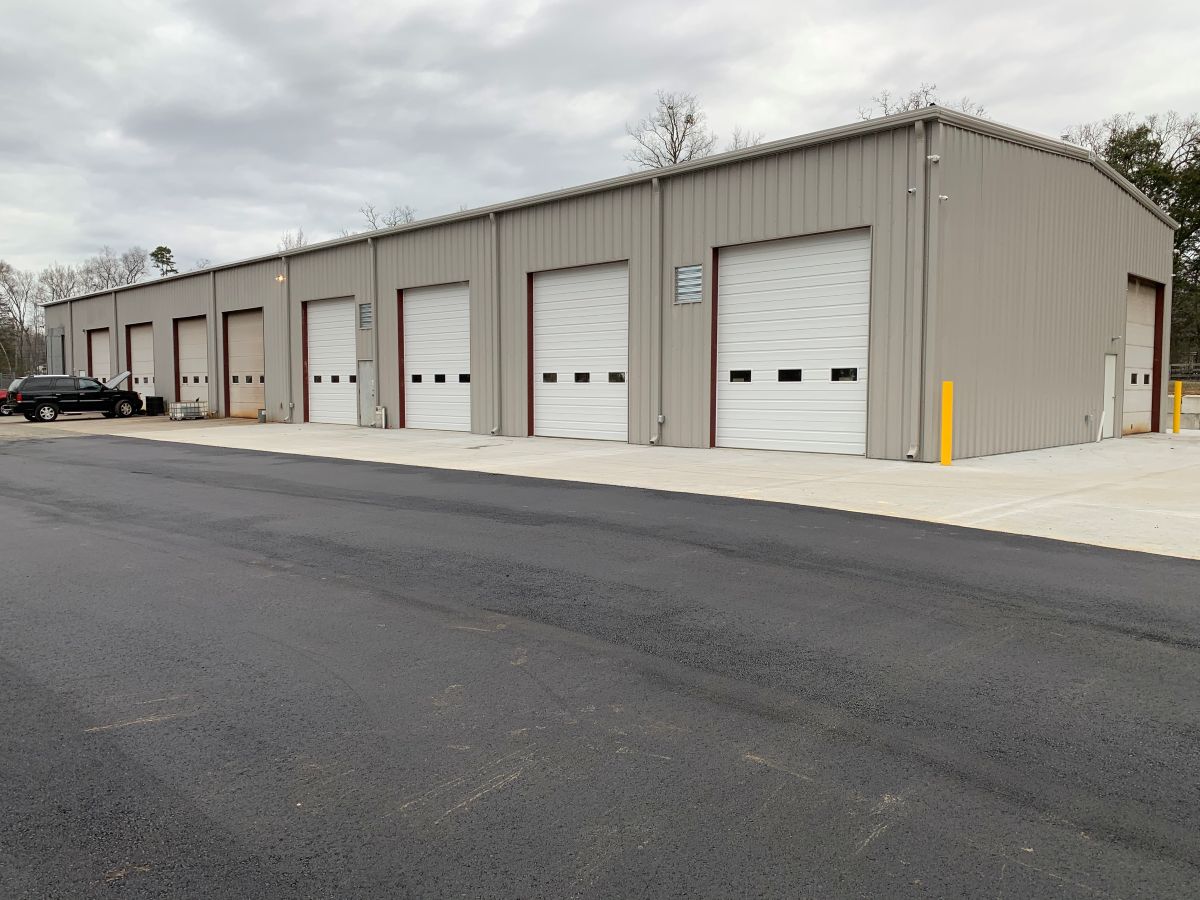
Businesses can choose overhead doors that accommodate delivery vehicles or specialized equipment. Personnel doors provide convenient access, while windows and other approved openings can improve natural lighting.
Owners can also select appropriate insulation systems and ventilation features based on building use. These decisions help create working environments that support employees and operational requirements.
Why Are Metal Buildings Practical for Equipment Storage?
Equipment represents a significant investment for many growing companies. Commercial metal buildings provide enclosed spaces that help protect machinery, vehicles, and supplies from direct exposure to outdoor conditions.
Business owners can select building heights and door dimensions that accommodate larger equipment. They can also organize interior storage areas to improve accessibility and reduce unnecessary handling.
Proper drainage and ventilation deserve attention during the planning process. These features help manage moisture concerns and maintain suitable conditions for stored materials.
How Can Metal Buildings Improve Space Utilization?
Making efficient use of available property becomes increasingly important as businesses expand. Commercial metal buildings allow owners to select dimensions that align with their site limitations and operational goals.
A rectangular layout may help warehouse operators maximize storage capacity while maintaining practical circulation routes. Other businesses might prioritize wider work areas or additional clearance for specialized machinery.
Careful site planning also supports parking, delivery access, and future improvements. Evaluating these requirements before ordering materials helps companies avoid costly layout conflicts.
What Role Does Energy Efficiency Play in Commercial Buildings?
Energy expenses can become a substantial operating cost as businesses occupy larger facilities. Commercial metal buildings can incorporate insulation systems that help control indoor temperatures and reduce unwanted heat transfer.
Insulation performance depends on material selection, installation quality, and the building’s intended use. Properly designed ventilation systems can also support indoor comfort and moisture management.
Owners should discuss insulation requirements with their building supplier and qualified contractors. Choosing compatible materials helps maintain building performance while supporting applicable energy code requirements.
How Should Businesses Plan a Metal Building Expansion?
Successful expansion starts with a clear understanding of operational needs. Business owners should evaluate existing space limitations and determine how much additional room their operations require.
Building dimensions, equipment clearance, delivery access, and anticipated growth all influence the final design. Companies should also review zoning regulations and local building codes before finalizing their plans.
Foundation planning requires particular attention because engineers must account for structural reactions from the building. Coordinating these details early helps prevent construction complications and unexpected expenses.
Why Choose Arco Building Systems for Commercial Expansion?
Selecting an experienced metal building supplier can make the expansion process easier to manage. Arco Building Systems has supplied metal building materials since 1979, helping customers find practical solutions for commercial and industrial applications.
Arco provides pre-engineered red-iron building kits with primary framing, secondary framing, and exterior panels. Customers can also explore accessories that accommodate their building requirements.
The team helps customers understand available options and develop building specifications that align with their projects. This personalized approach supports informed decisions throughout the purchasing process.
Build the Space Your Business Needs to Grow
Commercial metal buildings give expanding businesses a practical way to increase capacity while maintaining flexibility. Their adaptable layouts, durable materials, and efficient construction methods make them suitable for many commercial applications.
Choosing the right building starts with understanding operational requirements and planning for future needs. With thoughtful preparation, companies can create facilities that support continued growth.