
A Complete Guide to Waterproofing Your Metal Building
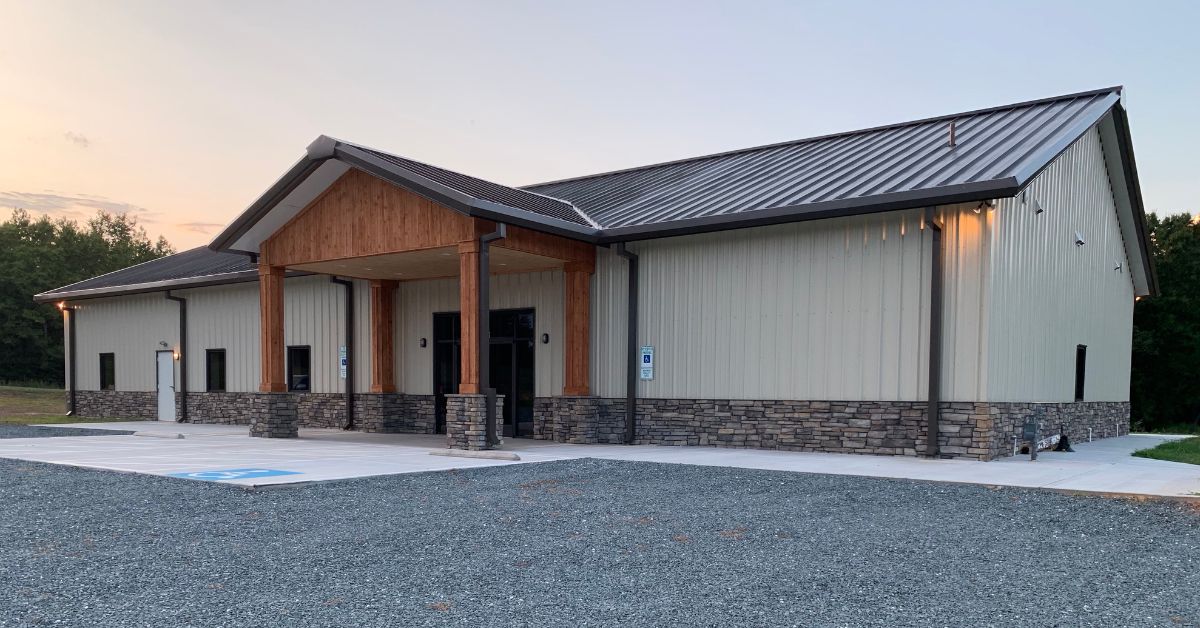
So you’ve got a red iron steel building. That’s a smart investment. These structures are built tough, designed to stand up to whatever nature throws their way. But even the strongest building needs a solid defense against water. A small leak can turn into a big headache, causing rust, damaging your foundation, and ruining whatever you’ve got stored inside.
Arco Steel Buildings is here to help. We’ll walk you through the weak spots where water loves to sneak in and show you exactly how to stop it. We’ll cover everything from the roof down to the foundation, so you’ll have a clear plan of action. Ready to get started? Here’s a complete guide to waterproofing your metal building.
Inspect Your Metal Building for Leaks
First things first, you’ve got to hunt for potential trouble spots. The best time to do this is during or right after a good rain, since that’s when leaks make themselves known.
Where To Look for Leaks
Start your inspection by checking the most common areas where water finds its way in. These spots are usually around seams, fasteners, and openings. Here’s a quick checklist to guide you:
- Roof panels and seams: Look closely where your roof panels overlap. These seams are a prime spot for water to seep in, especially if they weren’t sealed perfectly during installation.
- Screws and fasteners: Every screw on your roof is a potential entry point. Check for any that are loose, rusted, or missing their rubber washers.
- Building trim and flashing: Examine the trim around your roof edges (eaves), corners, and the base of your building. Flashing around vents, skylights, and pipes needs a close look too.
- Doors and windows: The frames around your doors and windows can create gaps if they’re not sealed properly. Look for any signs of water stains or drafts.
While you’re inside, look up. Water stains, drips, or daylight peeking through the roof are dead giveaways of a problem. On the outside, check for rust streaks, damp spots on the walls, or pooled water near the foundation. These are all clues that can lead you to the source of a leak.
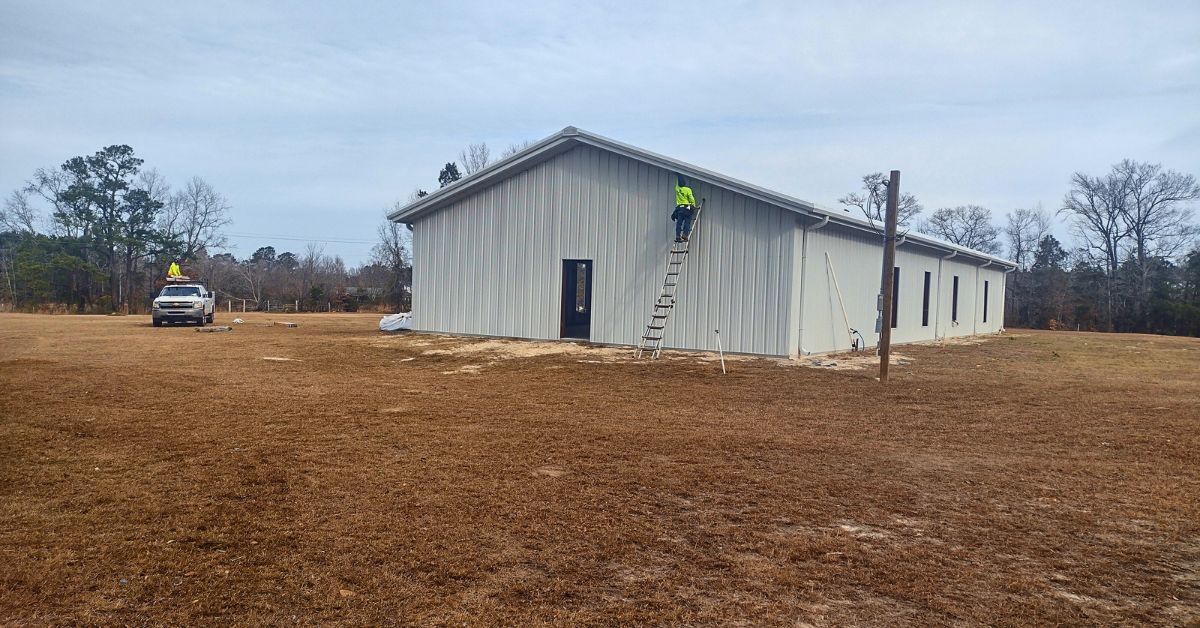
Seal Up Your Roof
Your roof is the first line of defense against rain, so make sure it’s impenetrable.
Securing Fasteners
Loose or worn-out fasteners are one of the biggest culprits behind roof leaks. Over time, the expansion and contraction of the metal panels can loosen screws, and the sun can degrade their rubber washers.
Tighten Loose Screws
Go over your roof and tighten any screws that feel loose. Be careful not to overtighten them, as this can damage the washer and the panel.
Replace Damaged Fasteners
If you find screws that are rusted or have cracked washers, replace them. It’s a good idea to upgrade to long-life fasteners that are designed to withstand the elements better.
Apply Sealant
For extra protection, apply a small dab of high-quality metal roof sealant over the top of each fastener.
Waterproofing Roof Panels and Seams
Ideally, your roof features PBR panels, which overlap in such a way that doesn’t allow leaks. If that’s not the case (or if you simply want to ensure maximum protection), then try these things:
- Sealant tape: Apply a strip of butyl sealant tape along the seams before you fasten the panels together. This tape creates a flexible, watertight barrier that moves with your building.
- Liquid sealant: You can also use a liquid-applied sealant. This stuff is great because it fills in every tiny crack and crevice, creating a seamless membrane over the entire roof. Look for a sealant that’s specifically designed for metal roofs.

Protect Your Walls and Foundation
Water doesn’t just come from above. It can also seep in through the walls or up from the ground.
Sealing Wall Panels and Trim
Just like your roof, your wall panels need attention. The PBR panel we just mentioned is also a common choice for walls. It has deep ribs that are great for durability but can trap water if not installed correctly.
Check the trim at the base of your walls, around corners, and along the eaves. Any gaps here are an open invitation for water. Use a quality caulk or sealant designed for metal to fill these gaps. Also, inspect the areas around your personnel doors, overhead doors, and windows. These transitions between different materials are common weak points.
Managing Water at the Foundation
You don’t want water pooling around the base of your building. When water sits against the foundation, it can find its way inside and cause some serious damage. Here are a few ways to keep the ground around your building dry.
Gutters and Downspouts
Installing gutters and downspouts is one of the best things you can do. They collect rainwater from the roof and direct it away from your foundation. Make sure they are clear of leaves and debris.
Proper Grading
The ground around your building should slope away from the foundation. This simple step uses gravity to your advantage, ensuring water flows away naturally.
Vapor Barriers
A vapor barrier installed under your concrete slab during construction helps prevent moisture from seeping up from the ground.
Add the Finishing Touches
You’ve sealed the roof, secured the walls, and managed the groundwork. What’s next? A few finishing touches can provide an extra layer of protection and make your waterproofing efforts last even longer.
Applying a Waterproof Coating
Consider applying a waterproof coating to your entire building. These coatings create a seamless, protective layer that reflects sunlight, reduces heat buildup, and seals any remaining pinhole leaks.
There are many types available, from acrylic to silicone-based formulas. Choose one that’s compatible with your building’s Galvalume or painted finish.
Don’t Forget Ventilation
Ventilation might seem counterproductive to water defense, but it is key to managing moisture inside the building. Condensation can form when warm, moist air inside meets a cold metal surface. This “sweating” can be just as damaging as a roof leak.
Installing ventilators, like round gravity vents or wall louvers, allows air to circulate, which helps equalize the temperature and reduce condensation. It’s a simple addition that makes a huge difference in keeping your building’s interior dry and free of rust or mold.
Your Waterproofing Game Plan
Waterproofing your metal building is a project you can definitely tackle. In doing so, you protect your valuable assets and extend the life of your structure.
And remember that Arco is here to help with all your metal building needs. From our steel church building kits to our helpful online advice backed by excellent customer service, our offerings are designed to make metal building ownership a breeze. Inquire today!