
Best Ventilation Practices in Industrial Steel Structures
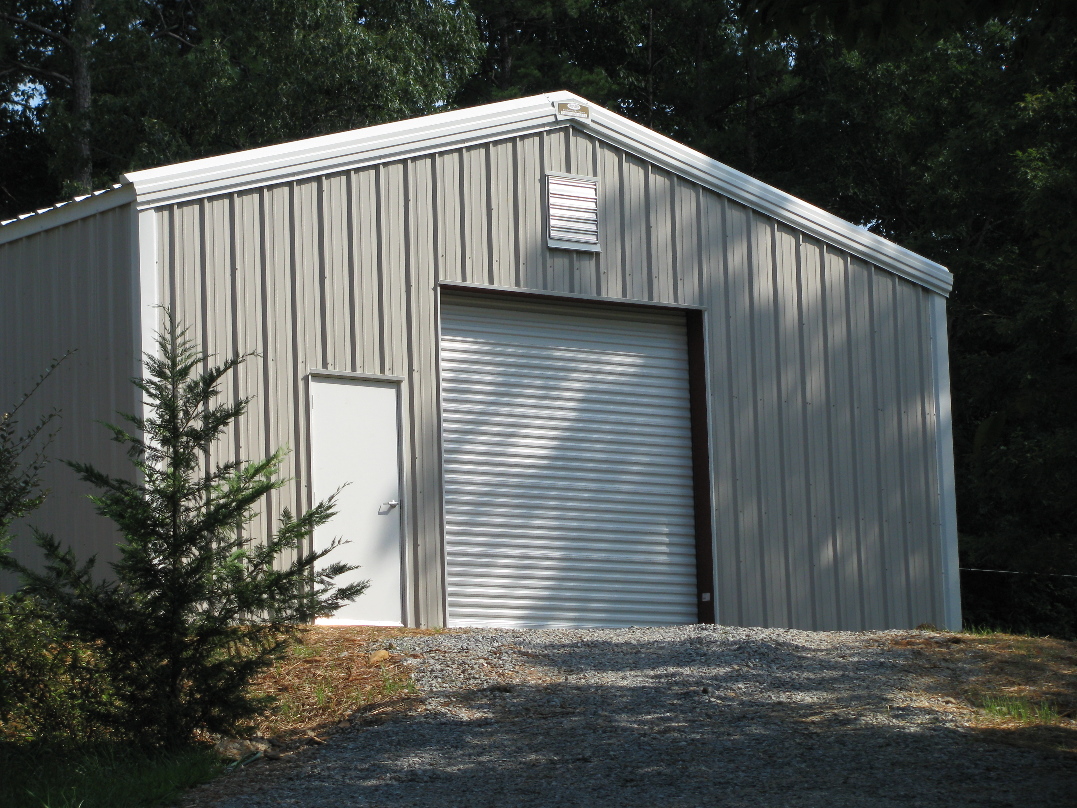
If you own or operate an industrial steel building, you already know how hard that structure works every single day. But did you know that the air moving—or not moving—inside your building has a direct impact on your equipment, your inventory, your workers, and your bottom line?
Getting a handle on the best ventilation practices in industrial steel structures is one of the smartest operational investments you can make. This guide walks you through what works, what doesn’t, and how to build a ventilation strategy that keeps your facility performing at its best.
Why Ventilation Is so Important
Steel is a remarkable building material. It’s strong, durable, and cost-effective. But steel also conducts heat and cold exceptionally well, which means the interior environment of your building is in constant dialogue with the exterior climate.
Without a well-designed ventilation system, that dialogue can turn into a problem. Heat buildup in warmer months can push interior temperatures well above safe working ranges. Moisture accumulation can create condensation on structural members, which accelerates rust and corrosion. And in facilities where chemicals, fuels, or dust are present, poor air exchange creates big safety and compliance hazards.
Ventilation is not just a comfort issue. It is a maintenance issue, a safety issue, and a regulatory issue all at once.
The Two Main Ventilation Approaches
Your building ventilation strategy will draw from two fundamental approaches: natural ventilation and mechanical ventilation. Most industrial steel buildings benefit from a combination of both, calibrated to your specific use case, climate zone, and occupancy type.
Natural Ventilation
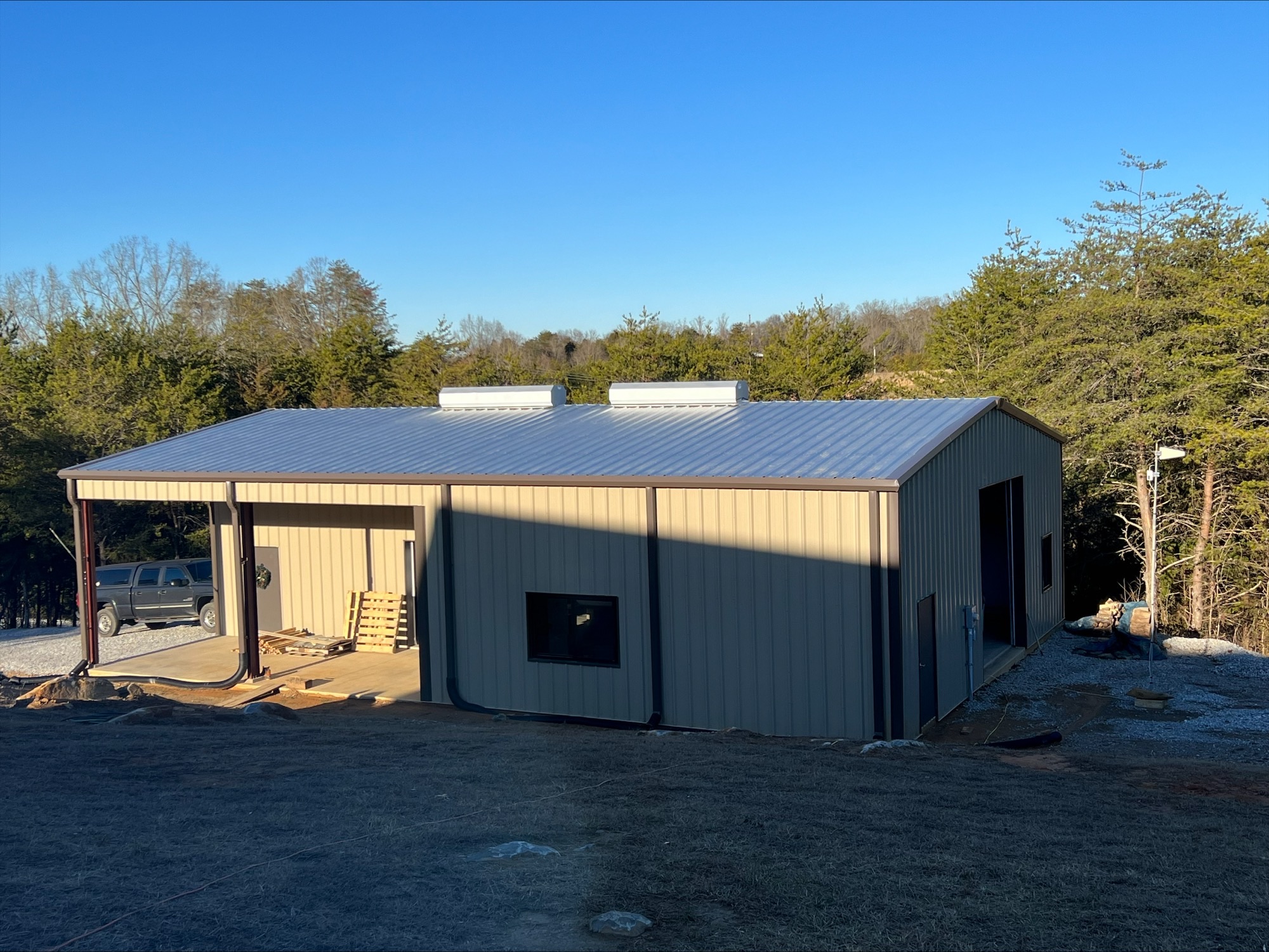
Natural ventilation relies on thermal buoyancy and wind pressure to move air through the building. A continuous ridge vent—running along the peak of the roof—is one of the most effective passive ventilation tools available for steel buildings. When sized and positioned correctly, ridge vents work around the clock with zero energy cost.
Louvers are another critical piece of the natural ventilation puzzle. These are openings fitted with fixed or adjustable blades that control airflow direction and volume. Placing louvers strategically on endwalls and sidewalls creates an intake pathway that complements your ridge exhaust and establishes a full airflow circuit. Some louvers also include dampers, which are baffles that let you open or close the throat of the vent as conditions change.
Mechanical Ventilation
When your operation generates significant heat loads, hazardous fumes, or heavy airborne particulates, natural ventilation alone may not be sufficient. That’s where mechanical systems come in. Exhaust fans, powered roof ventilators, and HVAC ducting work together to force-move air at controlled rates regardless of exterior wind conditions.
Powered ventilators are especially valuable in high-bay industrial structures where heated air can stratify near the ridge and stay trapped without any mechanical assistance. By installing exhaust fans at the ridge line and intake fans at the wall base, you create a pressurized air exchange. This exchange breaks that stratification and delivers a measurable temperature reduction at the floor level where your workers and equipment operate.
Ventilation Placement Strategy
Placement matters as much as product selection. A ventilator in the wrong position delivers a fraction of the benefit it should. Here’s how to think through your placement decisions.
Ridge and Roof Ventilators
Position roof ventilators along the ridge line as close to the building peak as possible. This is where the hottest air concentrates, and getting that air out quickly has an outsized effect on the overall interior temperature. Continuous ridge vents, which span the full ridge length rather than intermittent units, deliver better performance in most industrial applications because they eliminate the stagnant zones that develop between point-source ventilators.
Sidewall and Endwall Louvers
Intake louvers should sit as low on the wall as practical, which is typically within the bottom third of the wall height. This maximizes the vertical travel distance of incoming air before it exits at the ridge, giving it more time to absorb and carry away heat.
But pay attention to prevailing wind direction at your site. Aligning intake openings with prevailing winds and exhaust vents on the leeward side uses natural wind pressure to augment your thermal buoyancy effect, reducing your mechanical ventilation load.
Compliance and Safety Ventilation Requirements
Depending on your industry, you may have mandatory ventilation requirements that go well beyond general air quality comfort. Facilities handling flammable materials, volatile compounds, or fine dust must meet specific air exchange rate standards and may require explosion-proof mechanical ventilation equipment.
Your local building code and applicable OSHA standards both have a say here. Build your ventilation plan around these requirements first, then layer in the comfort and energy efficiency goals on top. A ventilation system that fails a compliance inspection is a massive liability, even if it keeps your workers reasonably comfortable.
We also recommend consulting with your building supplier early in the design or retrofit process. Framed openings, curbs, and accessory mounting positions all need to align with the structural layout of your steel system. Retrofitting ventilation into an existing building is absolutely doable, but planning those penetrations during design eliminates unnecessary coordination headaches later.
A Note on Insulation and Ventilation Working Together
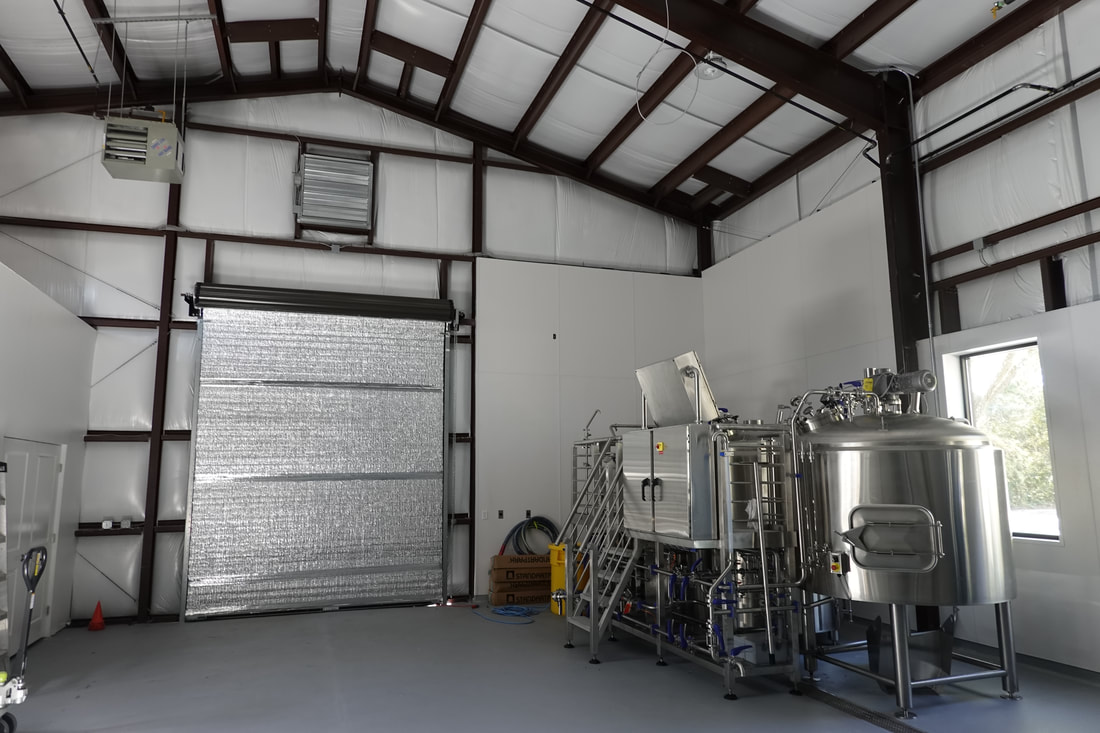
Ventilation and insulation are complementary systems. Insulation reduces the rate at which exterior temperature extremes penetrate your building envelope, which means your ventilation system works against a smaller thermal load. In summer, good insulation keeps peak interior temperatures lower, reducing the volume of air your exhaust systems must move to maintain a safe working environment. In winter, it holds heat inside and reduces condensation risk on cold steel surfaces.
Since you shouldn’t have ventilation without insulation and vice versa, make sure you account for both when constructing or retrofitting your steel building.
Build It Right From the Start
Your industrial building is a serious investment, and the systems inside it deserve the same level of thought that went into the steel frame itself. So apply these best ventilation practices in industrial steel structures from day one, or commit to a smart retrofit if your building is already standing. It will pay dividends in worker safety, lower maintenance costs, longer structural life, and better regulatory standing.
If you’re designing your steel structure, contact Arco Building Systems. We’ll work with you to understand your ventilation needs and build the necessary support into the structure.