The History and Evolution of Red Iron Steel Buildings

The History and Evolution of Red Iron Steel Buildings

The History and Evolution of Red Iron Steel Buildings

You drive past them every day: large metal structures housing warehouses, churches, gymnasiums, manufacturing plants, and so much more. While the ribbed exterior panels might catch your eye first, the true marvel of architecture is underneath. A good portion of today’s metal buildings has framing made from red iron, and its journey from a raw element to the preferred method of commercial construction is a fascinating tale of innovation.

After all, steel didn’t just appear as a perfect building solution overnight. Engineers refined it over centuries to become the cost-effective, durable powerhouse we use today. By exploring the history and evolution of red iron steel buildings, you can learn why this method is the gold standard for industrial, agricultural, commercial, and storage applications. Read on to explore where this material comes from and why it has stood the test of time.

The Iron Age to the Steel Age

Before we had the rigid I-beams that characterize modern metal building kits, builders relied on cast iron. During the 18th and early 19th centuries, architects used cast iron columns to support factories and mills. However, cast iron had a fatal flaw: It was brittle. It handled compression well but failed under tension.

The game changed in the mid-19th century with the Bessemer process. This industrial innovation allowed for the mass production of steel, an alloy much stronger and more flexible than iron. Suddenly, architects could design structures that soared higher and spanned wider than ever before. Their steel frames could support heavier loads, withstand high winds, resist fire damage, and even handle earthquakes.

Consequently, the skyline began to change. The same material that allowed skyscrapers to touch the clouds eventually evolved into the pre-engineered metal buildings (PEMBs) we see today.

Why Do We Call It “Red” Iron?

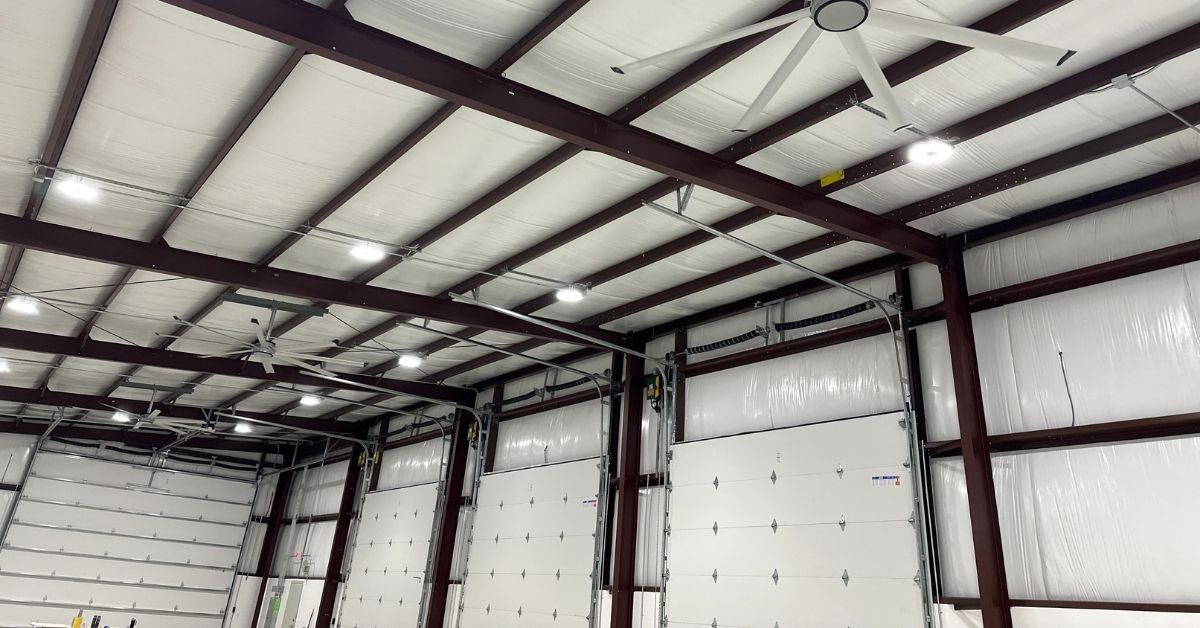
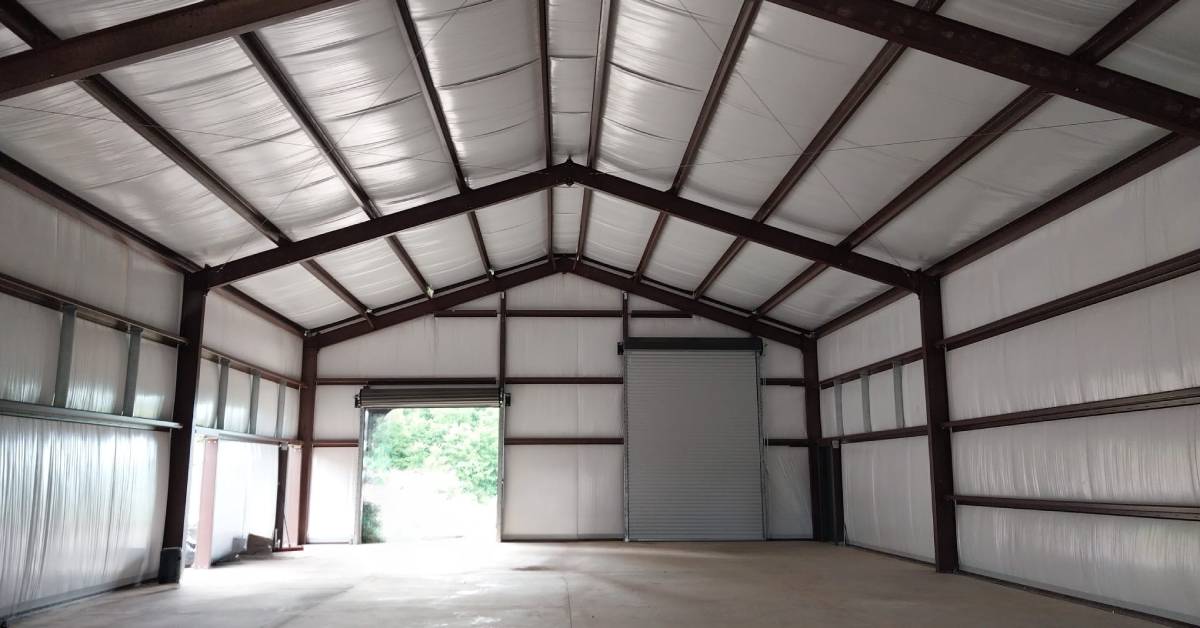
If you walk onto a construction site of a pre-engineered metal building before the walls go up, you will see a skeleton of heavy steel beams painted a distinct rusty-red color. The term “red iron” refers to the red-oxide primer applied to the steel members at the factory.

This isn’t for aesthetics. The coating protects the steel from rust and corrosion, shields the metal during the erection phase, and prepares the surface for future painting if desired.

While the industry also uses galvanized steel (which looks silver), red iron is often the preferred choice for larger structures. Its shape typically resembles an “I,” which is why you hear the term “I-beam.” This shape provides incredible strength while using material efficiently.

    The History and Evolution of Red Iron Steel Buildings

    The Birth of the Pre-Engineered Metal Building

    Red iron buildings are typically pre-engineered and come in kits, which is an idea that truly took off during World War II. The military needed structures that it could ship easily and assemble quickly anywhere in the world.

    After the war, the demand for commercial space skyrocketed. Manufacturers realized they could apply the same principles of standardization to civilian buildings. Instead of designing every single beam from scratch for every project, they could engineer standard connections and sizes.

    This shift brought about several revolutionary advantages:

    • Speed: Builders could assemble bolted connections much faster than welding or riveting on-site.
    • Cost: Mass production of components lowered the price of raw materials.
    • Consistency: Factory-controlled quality reduced errors compared to field fabrication.
    • Scalability: Business owners could easily expand their buildings by adding more bays.

    Modern Evolution: Beyond the Box

    In the early days of pre-engineered metal buildings, you had limited options. Most people essentially bought a square box. While functional, these early iterations lacked aesthetic appeal.

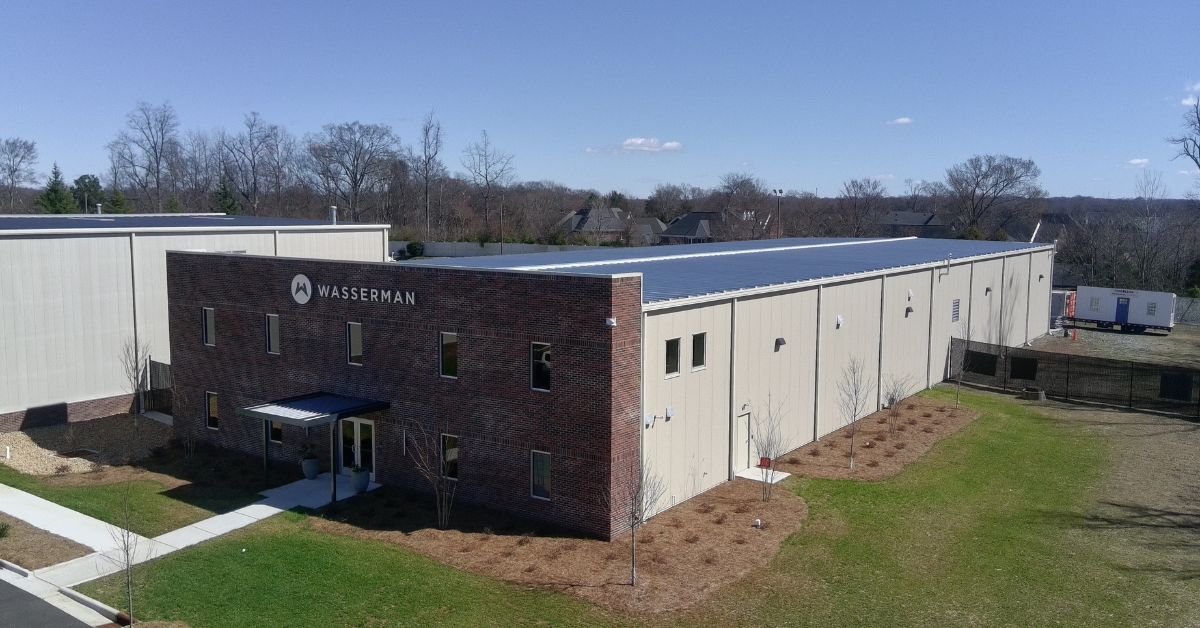
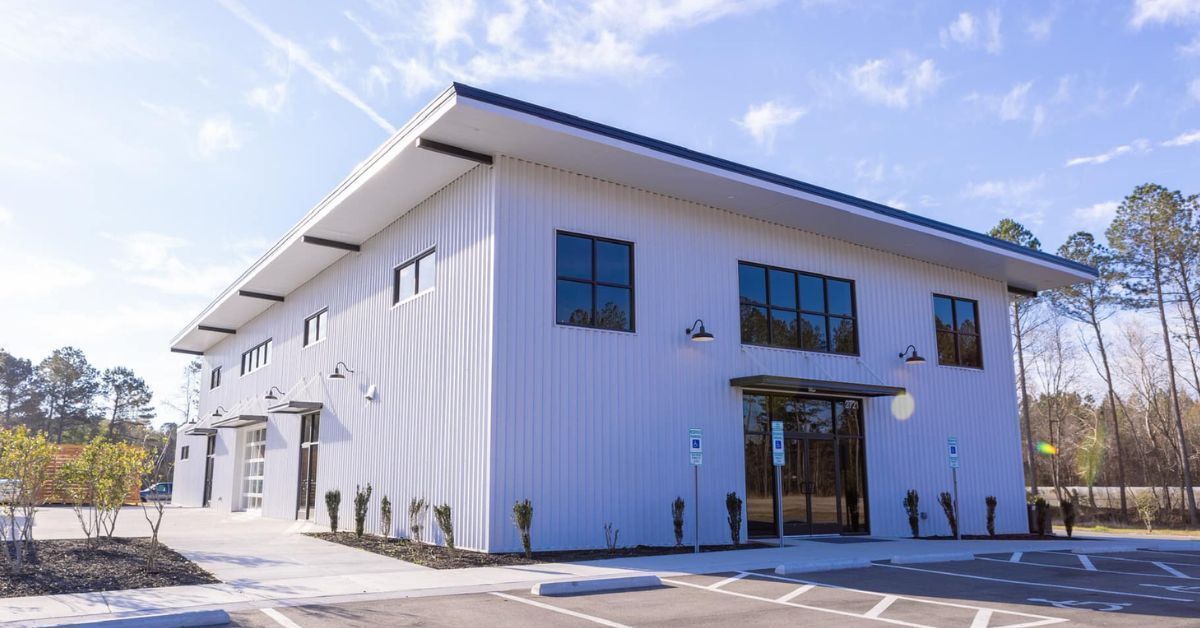
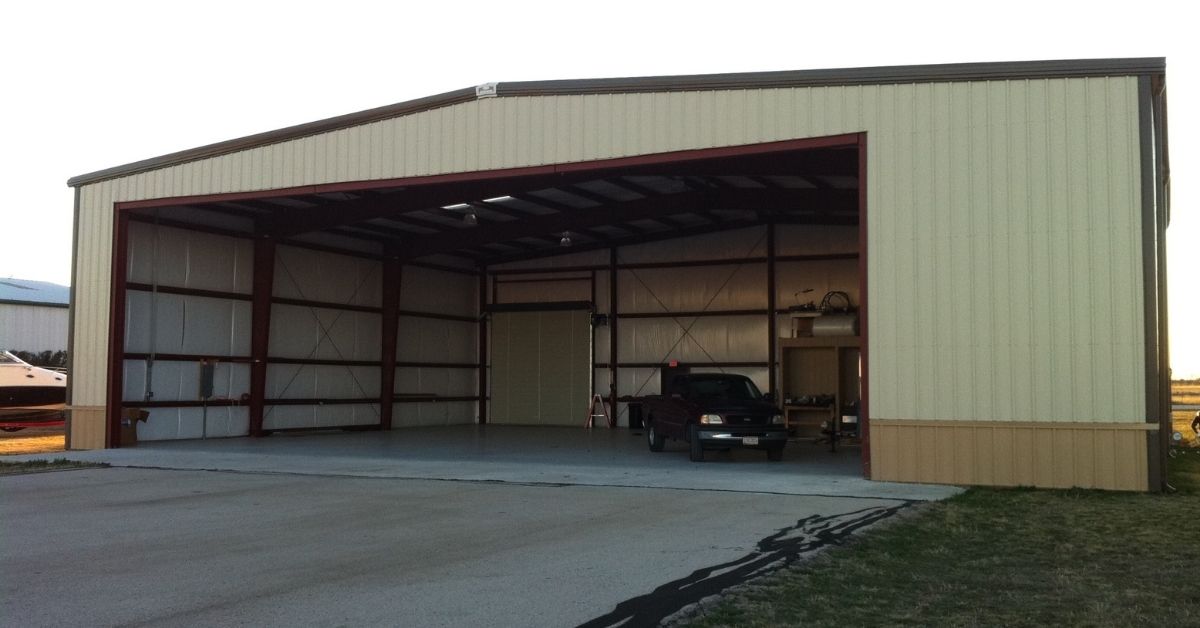
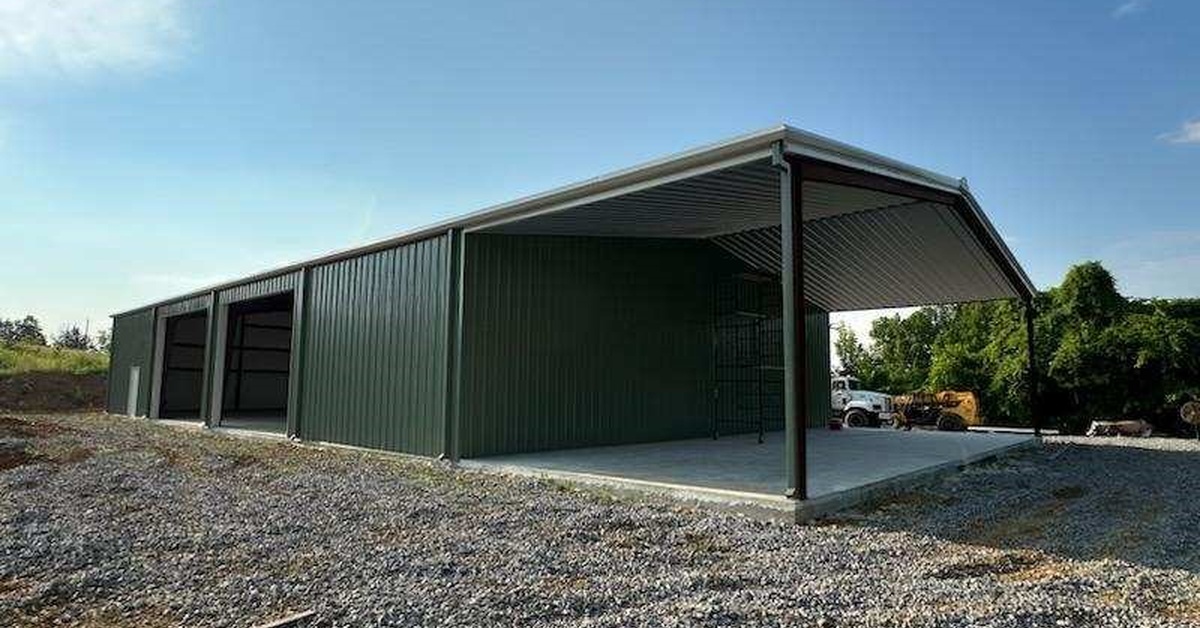
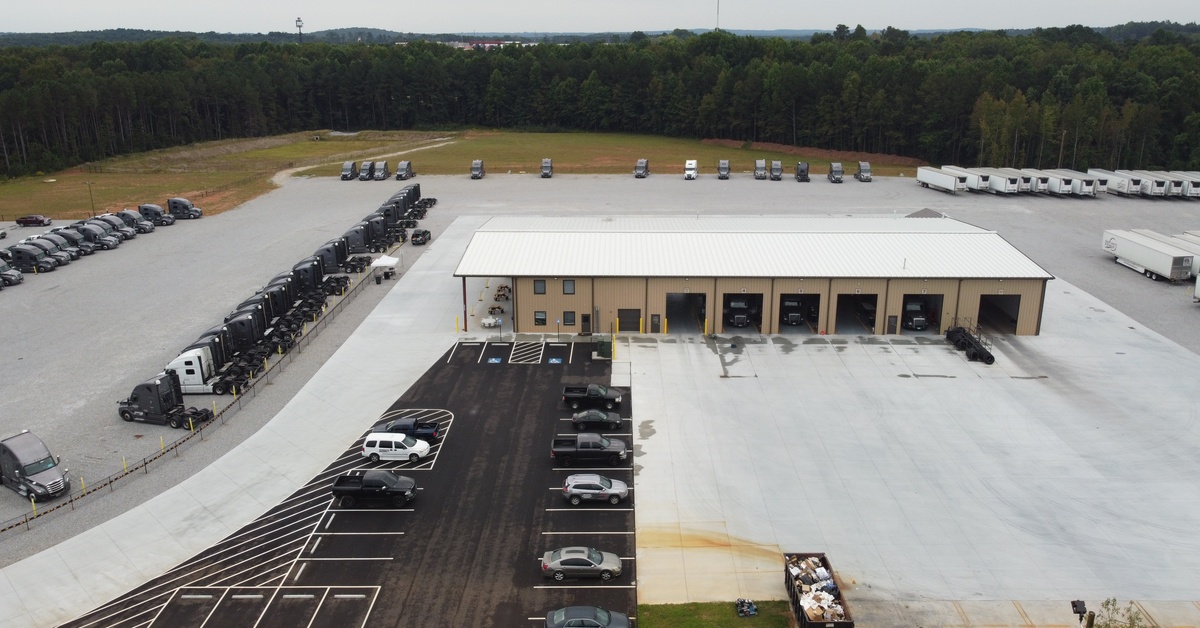
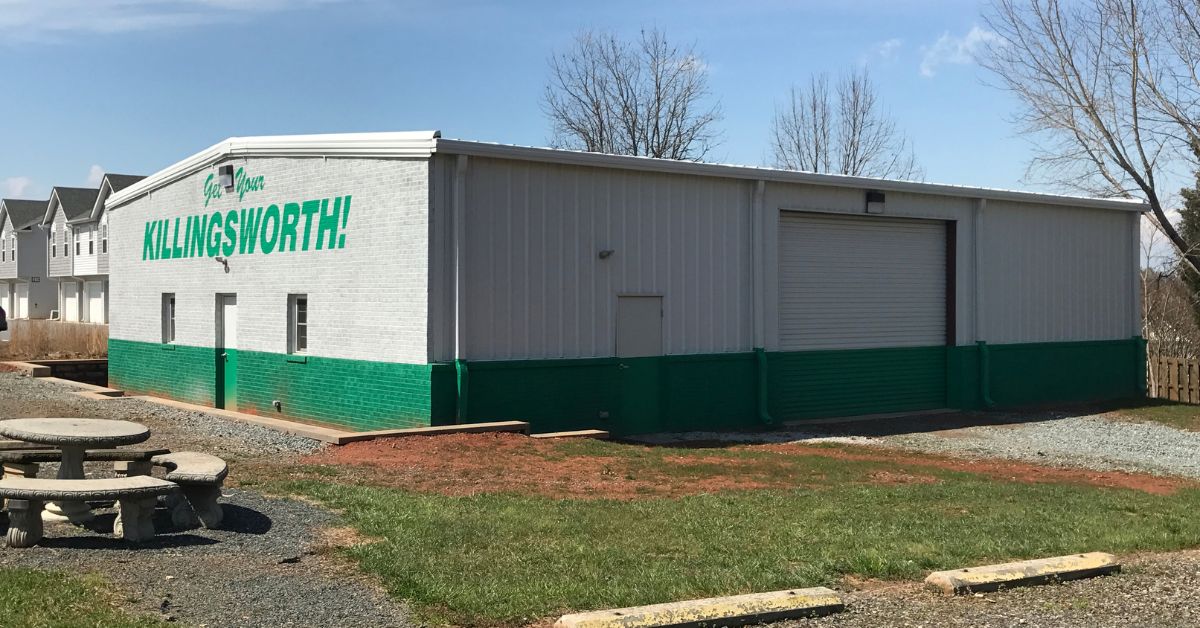
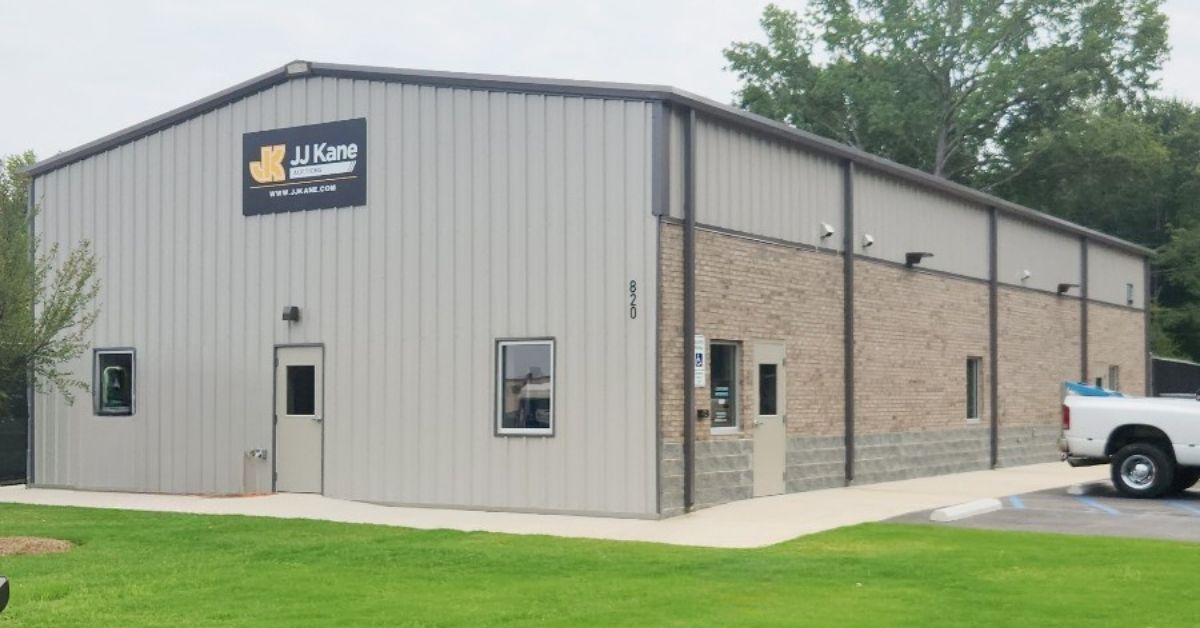
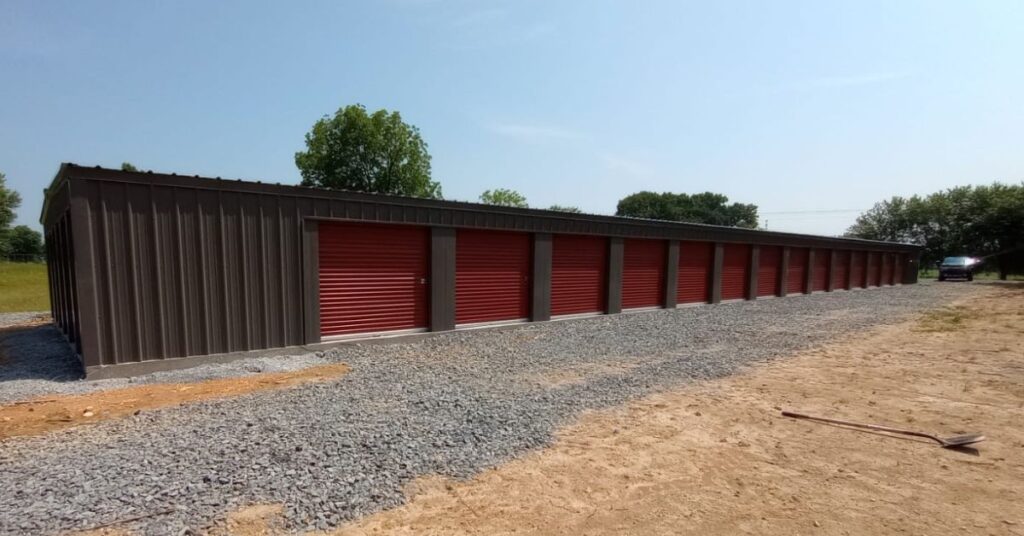
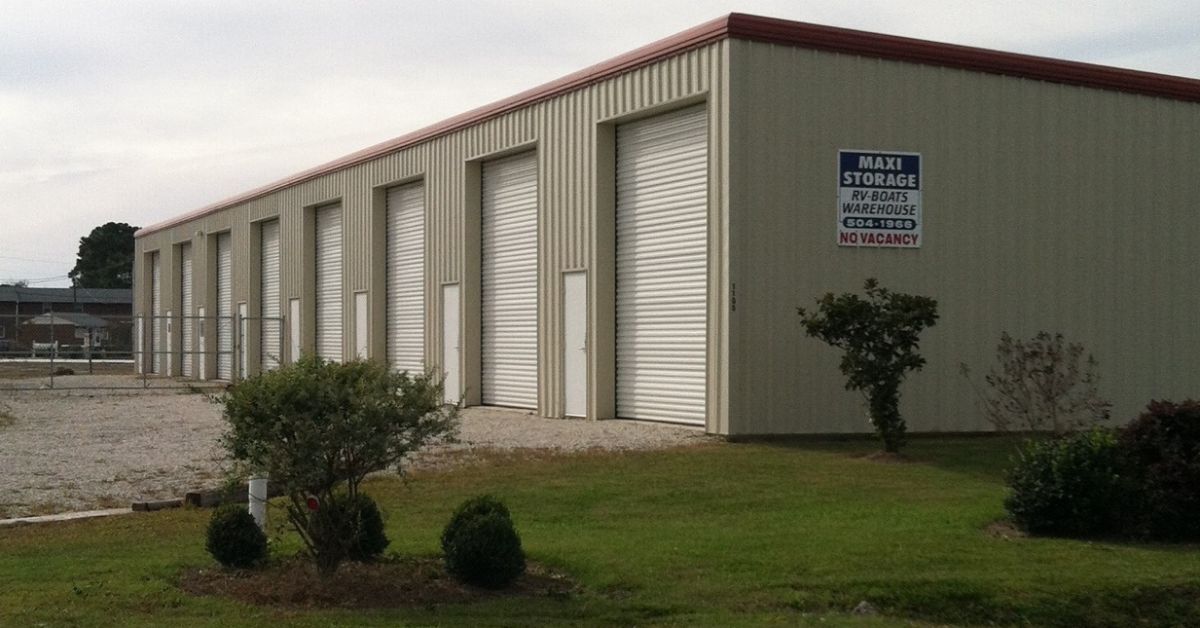
    Today, the industry looks completely different. A red iron building is more of a structural shell that you can dress up with brick, stone, stucco, or glass. Or, of course, you can keep it simple with plain metal paneling. Regardless, you can now use steel kits to build auto shops, aircraft hangars, climate-controlled mini-storage facilities, churches, boat launches, and so much more.

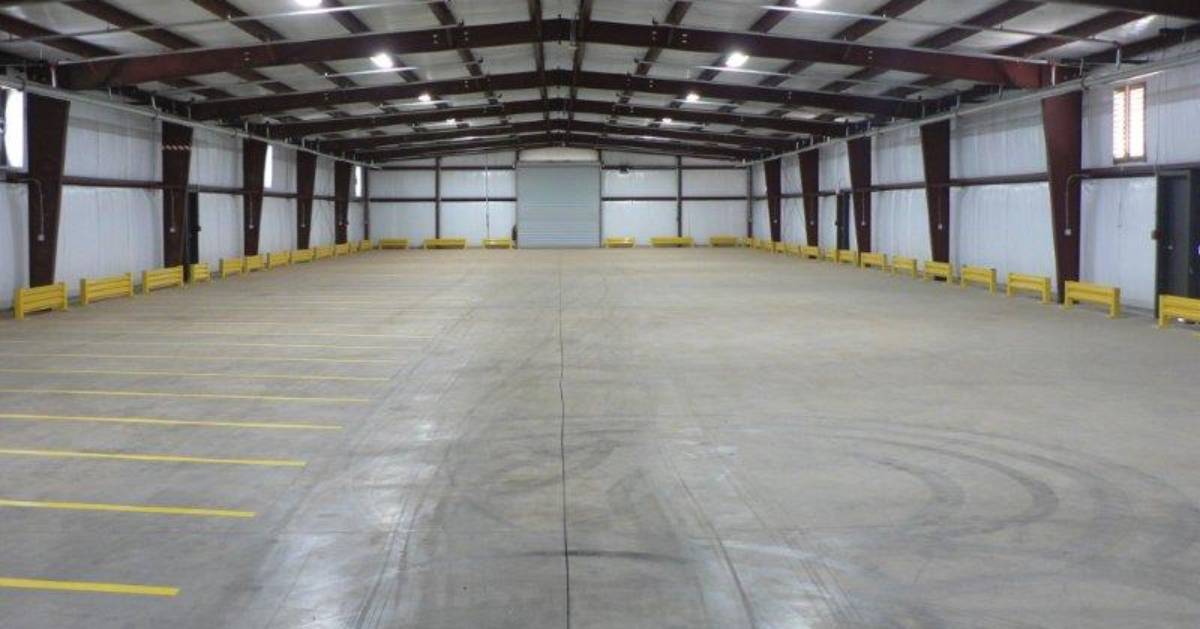
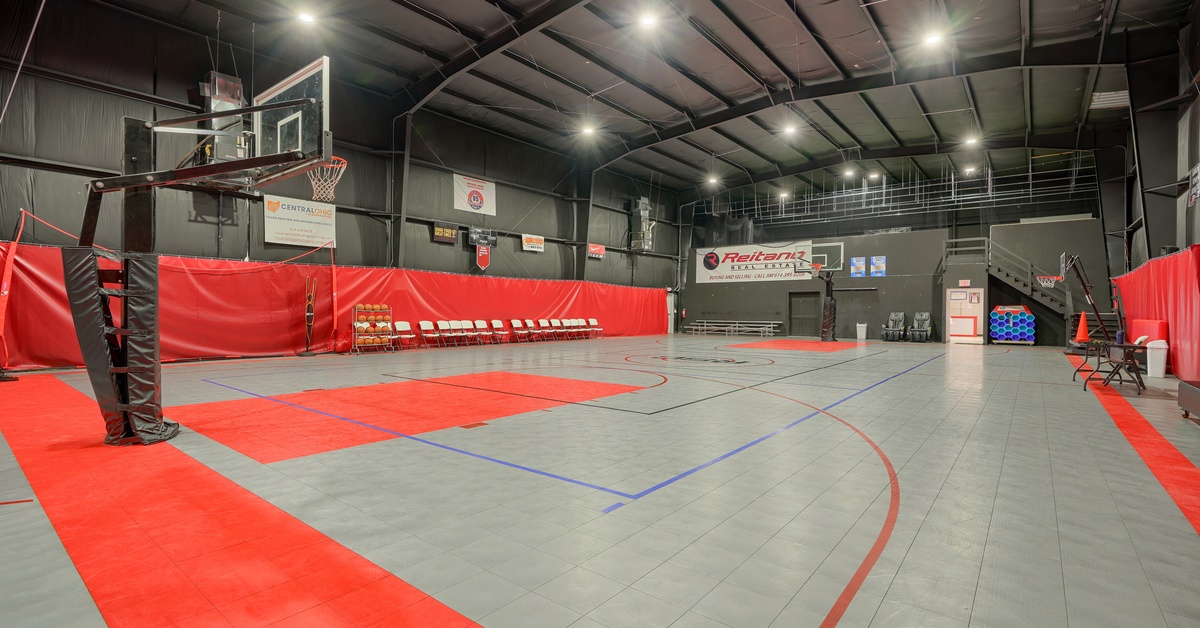
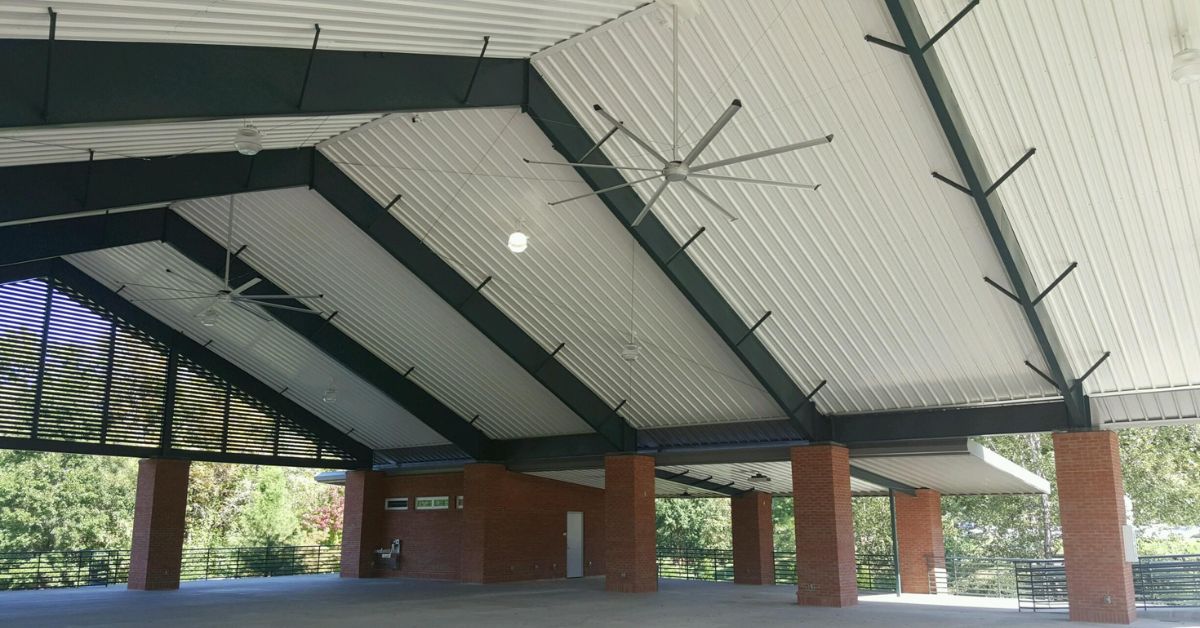
    Moreover, modern steel building offers clear-span capabilities, meaning you can have massive interior spaces without interior columns getting in your way. This is vital for applications like riding arenas, gymnasiums, manufacturing lines, and large-scale agricultural storage.

    The History and Evolution of Red Iron Steel Buildings

    Arco Building Systems: Leading the Evolution, Backed by History

    Arco Building Systems has been at the forefront of the evolution of red iron buildings for over 45 years. Its history is also ours.

    Since 1979, we have provided red iron building kits to thousands of satisfied customers. And because of this experience, we understand that buying a building is a major investment. The industry has evolved, and navigating permits, foundation drawings, and erection can feel overwhelming.

    That is why we prioritize customer service above all else. When you work with us, you don’t just get a pile of steel shipped to your jobsite. In addition to top-quality red iron framing, metal paneling, and the other construction materials, you get a dedicated service specialist who stays with you from the initial consultation through the completion of your project. We help you select the ideal manufacturer, provide sealed steel building drawings, secure DocuSign proposals, recommend reliable erectors, and more.

    Our mission is to make metal buildings as easy as one, two, three for our valued customers. With our help and the power of durable red iron on your side, your project should go off without a hitch.

    Building Your Legacy

    Red iron steel buildings have a story of continuous improvement. From the Bessemer process to computer-aided, customizable design, evolving techniques have made steel the ultimate building material. And with a red-oxide primer, the metal has even more benefits for your project. It provides the strength to protect your assets, the flexibility to design your dream space, the durability to last for generations, and the efficiency to keep your budget on track.

    Whether you are planning a new industrial complex, a backyard shop, or a commercial retail center, red iron is the solution. The history of steel is strong, and its future is even stronger.

    Ready to start your project? Experience the Arco difference today. Our team is ready to help you turn your vision into a reality with a structure built to last. Request a quote and join the thousands of customers who trust us with their building needs.

    Tapered vs. Straight Steel Building Columns: Which To Choose

    Tapered vs. Straight Steel Building Columns: Which To Choose

    Tapered vs. Straight Steel Building Columns: Which To Choose

    Designing a new facility requires you to make hundreds of decisions before the first truckload of concrete arrives. You must determine the square footage, the roof pitch, and the location of your bay doors. However, one of the most technical and financially impactful choices involves the structural skeleton itself. Specifically, we’re talking about the shape of the primary framing columns. You likely have two main options in the pre-engineered metal building market: tapered columns or straight columns.

    This distinction might seem minor on a set of blueprints. However, the choice between a tapered or straight profile dictates your budget, the ease of finishing your interior walls, and the maximum usable floor space. Here, we will break down the mechanics of tapered and straight steel building columns to help you determine which configuration to choose.

    The Mechanics of the Tapered Column

    If you walk into a standard warehouse or distribution center, you will likely see rigid frames that are narrow at the bottom and wide at the top. These are called tapered columns, and they are the industry standard for most pre-engineered steel structures.

    Engineers design these columns to mimic the stress diagram of the building. The “moment” (or bending force) is greatest where the column meets the roof beam (the haunch) and lowest at the foundation. Then, manufacturers fabricate the steel to place the strength exactly where the physics demand it. By tapering the steel plate, the manufacturer avoids using unnecessary material at the base of the column.

    The Economic Advantage

    Cost drives the popularity of the tapered design. Because these columns utilize less steel weight than their straight counterparts to achieve the same structural load ratings, they are cheaper to produce. Metal building prices fluctuate based on the global price of raw steel, so any design that lowers the total tonnage of the project will lower your initial purchase price.

    You should consider a tapered column design if your project prioritizes the following:

    • minimizing the upfront investment for the steel package
    • creating a purely functional space, like a warehouse or an agricultural storage area
    • reducing the shipping weight of the components to the job site
    • leaving the interior walls unfinished or using simple liner panels
    Tapered vs. Straight Steel Building Columns: Which To Choose

    The Case for Straight Columns

    Straight columns maintain a uniform depth from the floor to the eave. These members resemble the traditional I-beams you might see in conventional structural steel construction. While they utilize more steel to handle the same loads as a tapered column—making them heavier and more expensive—they offer specific functional advantages that some projects require.

    Interior Finishing and Space Maximization

    The primary reason you would opt for a straight column is the intent to finish the interior walls. If you plan to install drywall, slatwall, decorative panels, or flush-mounted shelving, a tapered column presents a geometry problem. You would have to frame out a furring wall that angles into the room to hide the column, which wastes floor space and complicates the carpentry.

    Straight columns allow you to run a wall straight up from the floor. This configuration is ideal for retail spaces, commercial offices, or facilities where aesthetics matter as much as durability. Additionally, straight columns provide a uniform clearance from floor to ceiling, which can be critical for placing machinery or racking systems tight against the wall.

    You might justify the extra expense of straight columns if your building plan involves the following:

    • applying conventional drywall or residential-style finishes to the interior
    • maximizing every inch of floor space right up to the sidewalls
    • creating a streamlined, commercial retail appearance
    • avoiding the need for complex carpentry to conceal angled structural members

    How the Frame System Impacts Column Choice

    In order to choose between tapered and straight steel building columns, you must also consider the overall frame system of the building. Arco Building Systems offers flexible frame types that can accommodate either column style, though the application usually dictates the best fit.

    Clear Span Versatility

    Gabled clear span frames are the workhorses of the industrial world. These rigid frames require no interior columns, creating an obstruction-free workspace. Clear span designs are perfect for manufacturing plants, aircraft hangars, indoor sports facilities, and agricultural storage. In these large, open setups, tapered columns are almost always the preferred choice to keep costs down over wide spans (typically 20 to 120 feet).

    Interior Column Efficiency

    On the other hand, buildings wider than 100 feet often benefit from interior columns. These modular frames use interior supports to reduce the load on the exterior frames. While the exterior columns are typically tapered to save money, the interior columns are usually straight pipes or tubes to minimize their footprint on the factory floor.

    For structures exceeding 100 feet in width, interior column designs provide a cost-efficient alternative while maintaining strength. This setup allows you to expand your facility to massive widths—up to 240 feet or more—without the cost of a massive clear span rafter.

    Tapered vs. Straight Steel Building Columns: Which To Choose

    A Note on Durability and Industrial Resilience

    Regardless of the column shape you select, the material capability remains the same. Industrial metal buildings are engineered to withstand severe abuse. Arco steel buildings, for instance, are designed to resist wind speeds of up to 170 mph.

    Moreover, steel is naturally resistant to the issues that plague wood-framed industrial structures. Steel components do not warp, crack, or creep over time. They are impervious to termites and resistant to mold and mildew, which helps protect the goods stored inside. Furthermore, steel is non-combustible. This fire resistance creates a safer environment for your employees and provides lower insurance premiums compared to wood-framed structures.

    And the rigid frames, whether tapered or straight, are coated with a red oxide primer to resist corrosion. When you invest in an industrial metal building, you are looking at a lifespan that can easily exceed 50 years with proper maintenance.

    Arco: Building Your Industrial Legacy

    The decision between tapered and straight columns ultimately comes down to a balance of economy versus utility. Tapered columns offer the most strength for the least amount of money, making them the smart choice for warehouses, factories, and agricultural buildings where the structure is exposed. Straight columns offer a clean, uniform profile that simplifies interior finishing, making them the better option for offices, retail centers, and finished commercial spaces.

    At Arco Building Systems, we have spent roughly 45 years helping business owners navigate these technical choices. We can tailor pre-engineered industrial buildings to suit the unique requirements of your specific operation..

    If you are ready to expand your operations with a structure that is durable, cost-effective, and engineered to your exact specifications, you should explore our website and reach out today.

    The Benefits of Red Iron Steel Buildings

    The Benefits of Red Iron Steel Buildings

    The Benefits of Red Iron Steel Buildings

    You’ve got a vision for a new metal structure. Maybe it’s a spacious workshop where you can finally restore that classic car, a robust warehouse to expand your business operations, or a sturdy agricultural building to protect your equipment from the elements. No matter the purpose, you need a material that’s tough, cost-effective, and built to last. That’s where red iron steel comes into the conversation.

    Red iron steel is a durable construction material that makes many modern industrial and commercial buildings possible. But why is it the go-to choice for so many projects and the main material we use at Arco Building Systems? Let’s walk through exactly what red iron steel is and why its benefits might just make it the perfect solution for your next building.

    What Is Red Iron Steel?

    Before we dive into the benefits, let’s clarify what we’re talking about. Red iron refers to a type of steel, and the name comes from the distinct reddish-brown oxide coating applied to the metal during manufacturing. This primer protects the steel from rust and corrosion as it goes from manufacturing to shipping to construction to weathering the elements on your property.

    Red iron is primarily used to form the structural steel I-beams that frame buildings. These aren’t your average lightweight aluminum tubes. We are talking about heavy-duty, commercial-grade steel framing that forms the skeleton of almost all pre-engineered metal buildings (PEMBs). These structures rely on rigid red iron frames to carry the load, allowing for wide-open interior spaces without the need for interior support columns.

    The Benefits of Red Iron Steel Buildings

    Why Trust Red Iron Steel?

    Now that we’ve covered the basics, let’s get into the benefits of red iron steel.

    Exceptional Durability and Strength

    The primary reason builders choose red iron is simple: strength. These steel I-beams are incredibly dense and heavy, providing structural integrity that wood or light-gauge tubular steel simply cannot match.

    Because of this superior strength, red iron buildings can withstand severe weather that would wreck lesser structures. High winds, heavy snow loads, and even seismic activity are no match for a properly engineered red iron frame. Additionally, unlike wood, steel doesn’t rot, warp, crack, or invite termites to lunch. You build it once, and it stands strong for decades if you adhere to its minimal maintenance requirements.

    Clear-Span Design That Maximizes Space

    One of the biggest advantages of red iron steel is the ability to create clear-span interiors. Because the steel frame carries the weight of the roof to the exterior walls, you don’t need interior load-bearing walls or columns cluttering up your floor plan.

    This open design is crucial for a variety of uses:

    • Agricultural buildings: Maneuver large tractors and combines without dodging support poles.
    • Warehouses: Maximize vertical storage and forklift lanes.
    • Aircraft hangars: Store planes safely with wide, unobstructed entryways.
    • Gyms and churches: Create massive open areas for courts or congregations.

    Better Safety Thanks to Fire Resistance

    Safety is a top priority for any building owner, and steel offers a significant advantage here. Red iron steel is non-combustible. It won’t fuel a fire like wood framing does. This fire resistance creates a safer environment for whatever you are storing or whoever is working inside.

    Moreover, because of this fire-resistant quality, insurance companies often offer lower premiums for steel buildings compared to wood-framed structures. Over the life of the building, those savings can add up considerably.

    Cost-Effectiveness and Speedy Construction

    You might think that heavy-duty automatically means expensive, but red iron steel is surprisingly cost-effective. While the initial material cost might be higher than light-gauge options, the long-term value is undeniable.

    Pre-engineered metal buildings arrive at your job site as a kit. The pieces are cut, drilled, and welded at the factory. This means your erection crew isn’t measuring and cutting raw materials in the field; they are bolting together a giant erector set. This streamlined process drastically reduces construction time and labor costs.

    Furthermore, maintenance costs are remarkably low. You won’t be painting wood siding every few years or replacing rotted studs. A steel building requires very little upkeep to maintain its appearance and structural integrity.

    Sustainable Longevity, Energy-Efficiency, and Recyclability

    If environmental impact is on your mind, steel is a fantastic choice because it is one of the most recycled materials on the planet. The red iron beams in your new building likely contain recycled content, and at the end of the building’s very long life, the materials are 100 percent recyclable again.

    Additionally, metal buildings are easy to insulate efficiently. With the right insulation package, you can create a tight thermal envelope that reduces heating and cooling costs, lowering your building’s energy footprint.

    Versatility Through Customization

    Don’t let the industrial nature of the frame fool you; the exterior of a red iron building can look however you want it to. While many people opt for classic steel wall panels, you can finish the exterior with brick, stone, stucco, or glass to match existing structures or meet local zoning requirements.

    Internally, the flexibility is endless. Because the interior walls aren’t load-bearing, you can configure offices, storage rooms, and workspaces exactly how you need them. And if your business grows, red iron buildings are notoriously easy to expand. You can often just remove an end wall and bolt on new frames to lengthen the structure.

    The Benefits of Red Iron Steel Buildings

    Why Arco Building Systems Is Your Best Partner for Red Iron Steel

    When you are ready to move forward with a project, the quality of your supplier matters just as much as the material itself. At Arco Building Systems, we have been family-owned and operated since 1979. We don’t just sell buildings; we provide solutions.

    We specialize in selling all the materials needed for red-iron buildings, including primary and secondary framing, roof and wall panels, and essential accessories like walk doors, roll-up doors, insulation, and gutters. We focus on single-story structures, perfect for everything from backyard workshops to massive industrial complexes. Our red iron building kits simplify the construction process, and we also offer mini storage buildings constructed with sturdy red iron steel.

    We excel at what we do: providing high-quality pre-engineered metal buildings. Most of our business comes from repeat customers and referrals because we treat every client like a neighbor. We guide you through the process, helping you select the right components for your specific needs.

    If you are looking for a structure that offers strength, value, and longevity, reach out to Arco Building Systems today. Let’s build something great together.

    Why Steel Is Better Than Concrete for Commercial Buildings

    Why Steel Is Better Than Concrete for Commercial Buildings

    Why Steel Is Better Than Concrete for Commercial Buildings

    Every business owner faces a critical decision when expanding operations or breaking ground on a new venture: selecting the right material for the structure itself. The building you choose becomes the physical heart of your organization. It impacts your overhead, your workflow, and your brand image.

    While concrete has held a place in commercial construction for decades, modern business demands a certain speed, flexibility, and ROI that concrete can struggle to deliver. Enter steel.

    We aren’t talking about flimsy sheds here; we are talking about robust, pre-engineered red-iron steel framing that outclasses concrete in almost every metric that matters to a CFO. Let’s look at why steel is better than concrete for your next commercial building project.

    Steel Buildings Are Faster To Build

    In the commercial sector, an unfinished building is a massive liability. You cannot generate revenue from a retail shop, auto dealership, or manufacturing plant that doesn’t exist yet.

    That’s why concrete can be a problem: It’s notoriously slow to construct. It relies heavily on favorable weather conditions, extensive curing times, complex formwork, and large crews for pouring and finishing.

    Steel flips the script on construction timelines. Because manufacturers pre-engineer and fabricate commercial metal building kits off-site, the components arrive at your location ready for assembly. Your erection crew receives a kit where every I-beam, purlin, and girt is cut, drilled, and welded to precise specifications. This pre-fabrication eliminates the need for measuring and cutting on the jobsite. Consequently, you save money on labor costs, reduce construction waste, minimize site disruption, and open your doors for business months sooner than you would with a concrete build.

    Steel Structures Are Cheaper To Build

    Many investors overlook what happens below the ground. Because concrete structures are incredibly heavy, they require massive, expensive foundations to prevent settling. Therefore, the engineering required to support a tilt-up concrete wall is substantial and costly.

    Steel buildings exert less dead load on the foundation. Consequently, you can utilize smaller footings and lighter slabs. This difference saves you money on concrete, excavation, and soil remediation before vertical construction even begins. When you aggregate the savings from the foundation, the reduced labor hours, and the lower material costs, steel buildings save up to 30 percent in construction costs compared to traditional methods.

    Why Steel Is Better Than Concrete for Commercial Buildings

    Steel Offers More Flexibility Without Sacrificing Integrity

    Concrete is strong, but it is also exceptionally heavy and rigid. To support its own weight, concrete construction usually requires massive internal columns or load-bearing walls that interrupt your floor plan. This limits how you can utilize your interior space.

    Conversely, steel possesses the highest strength-to-weight ratio of any common building material. This physical property allows for clear-span capabilities. What this means is you can erect a facility that spans 100 feet or more without a single internal column obstructing your operations.

    The Clear-Span Advantage

    This clear-span design is crucial for diverse commercial applications. You might need an open showroom for an auto dealership, a flexible layout for a retail strip mall, high ceilings for a recreation facility, or unobstructed floor space for a warehouse. Steel provides the open canvas you need to design a layout that optimizes workflow.

    Moreover, business needs change. If you need to expand a concrete building later, you face an expensive and messy demolition process. Steel buildings allow for easy expansion. You can simply remove an end wall and bolt on additional framing bays to grow your facility alongside your company.

    Steel Tends To Be More Durable

    Concrete is perceived as permanent, yet it suffers from specific, persistent vulnerabilities. Namely, it cracks over time as the ground shifts, and then it spalls when moisture gets into those cracks and freezes. It is also porous, making it susceptible to mold and mildew in damp climates.

    Steel offers resilience that concrete cannot match. Pre-engineered metal buildings tend to use red-iron steel, which is resistant to the issues that plague other materials.

    Commercial steel buildings resist fire, termites, rot, and mold. This resistance translates to lower insurance premiums and drastically reduced maintenance budgets. You won’t spend your weekends worrying about structural cracks or pest infestations. Additionally, these structures are engineered to withstand harsh weather conditions, including heavy snow loads, hurricane-force winds, intense heat, and torrential rain.

    Steel Is the More Sustainable Choice

    Did you know that steel is the most recycled material on the planet? It’s true. The beams in your new office building likely contain recycled metal, and at the end of the building’s long lifespan, that steel is 100 percent recyclable again. Concrete, conversely, is energy-intensive to produce and difficult to recycle.

    Furthermore, steel buildings integrate easily with modern insulation systems. By using deep wall cavities for high R-value insulation, you minimize thermal bridging and keep your HVAC costs low. You create a comfortable environment for your employees and customers while keeping your utility bills in check.

    Steel Can Look Very Nice

    A common misconception is that choosing steel means settling for a boxy, industrial look. That might have been true fifty years ago, but today’s commercial metal buildings are fully customizable.

    You can finish the exterior of a steel frame with almost any material you desire. Choose from glass facades, brick or stone veneers, stucco, architectural metal panels, and more. Essentially, you can get the structural benefits of steel with an exterior that matches your brand’s aesthetic perfectly.

    Why Steel Is Better Than Concrete for Commercial Buildings

    Why Partner With Arco Building Systems?

    It’s clear that steel is better than concrete for commercial buildings, but selecting the material is just step one. Selecting your industry partner is step two. Since 1979, Arco Building Systems has been a leader in the industry. We are family-owned and have grown to become the 5th largest builder in the United States by focusing on one thing: the customer experience.

    Single Point of Contact

    We don’t bounce you around a call center. You will work with one sales rep and one customer service representative from the planning stage through to final execution. This specialist knows your project inside and out, coordinates with the manufacturer, and guarantees you get the exact building you ordered.

    Experience That Matters

    With over 45 years in business and a staff boasting over 150 years of combined industry experience, we know how to navigate the complexities of commercial construction. We provide easy-to-understand quotes, reliable scheduling, and referrals to insured steel erectors in your area.

    Whether you need a mini storage facility, an aircraft hangar, or a retail complex, we have the expertise to deliver an excellent product.

    Take the Next Step for Your Business

    Your building should be an asset, not a burden. By choosing steel, you opt for a structure that is cost-effective, rapidly deployable, durable, and flexible enough to grow with you. Don’t let your capital get stuck in a slow concrete pour.

    Contact Arco Building Systems today to discuss your project!

    What to Consider When Buying a Prefabricated Steel Building

    What to Consider When Buying a Prefabricated Steel Building

    What to Consider When Buying a Prefabricated Steel Building

    Prefabricated steel buildings have become a popular choice for many businesses and institutions, and for good reason. They offer a winning combination of versatility, cost-effectiveness, and durability that traditional construction often can’t match. From warehouses and workshops to modern office spaces and retail centers, these structures provide flexible and reliable solutions for growing operations.

    We understand that investing in a new building is a significant decision. You want to ensure you’re making the right choice for your business’s or institution’s future. This guide is designed to walk you through the key considerations when purchasing a prefabricated steel building in order to help you make an informed decision with confidence.

    Your Purpose and Needs

    While you definitely know what you plan to use your new building for, have you taken the time to define its more specific purposes? How you use this space will dictate nearly every other decision you make, from its size and layout to specific design features, so now is the time to take note of it.

    For instance, a warehouse will need high ceilings and large bay doors for easy access, while an office might prioritize natural light and a specific interior layout to foster collaboration. Take the time to map out your daily operations and long-term goals. This will ensure your new building not only meets your current needs but also supports your business or institution as it grows.

    Budget and Cost Factors

    Once you have a clear purpose, it’s time to establish a realistic budget. While prefabricated steel buildings are known for being cost-effective, you must first understand all the expenses involved to avoid surprises down the line. Here are the additional factors you should consider:

    • Delivery: Shipping costs can vary depending on your location and the size of the building components.
    • Installation: Will you hire a professional crew or manage the construction yourself? Labor costs are a significant part of the overall budget.
    • Site Preparation: This can include tasks such as clearing land, grading, and pouring a concrete foundation.
    • Permits and Inspections: Local municipalities require permits, and their associated fees can add up.
    • Utilities: Don’t forget the cost of connecting electricity, water, and sewer lines.
    • Interior Finishing: You’ll want to factor in the cost of insulation, drywall, flooring, and electrical work.
    What to Consider When Buying a Prefabricated Steel Building

    Material Quality and Durability

    The longevity and resilience of your steel building depend heavily on the quality of the materials used. Not all steel is created equal, so it’s essential to partner with a manufacturer that uses high-grade, durable materials. High-quality steel ensures that your building can withstand harsh weather conditions, including heavy snow, strong winds, and extreme temperatures.

    When evaluating a manufacturer, ask about the steel’s gauge and coatings. A lower gauge number indicates thicker, stronger steel. Also, inquire about protective coatings that resist rust and corrosion, which is especially important in humid or coastal climates. Furthermore, ensure that the building design and materials comply with your local building codes and industry standards. A reputable supplier will be able to provide documentation certifying their materials meet these requirements.

    Customization Options

    One of the main reasons businesses and institutions consider prefabricated steel buildings when purchasing a new structure is their design flexibility. Gone are the days of one-size-fits-all metal sheds. Today, you can customize nearly every aspect of your building to match your operational needs and aesthetic preferences. Think about what features will make your space more functional and efficient. Here are some potential examples:

    • Insulation: Proper insulation enhances energy efficiency and regulates interior temperatures, resulting in a comfortable environment year-round.
    • Doors and Windows: Choose from a variety of styles and sizes, including overhead doors, roll-up doors, and large windows to increase natural light.
    • Interior Layouts: Design a custom floor plan with partition walls to create separate offices, storage areas, or workspaces.
    • Exterior Finishes: Select from a wide range of colors and finishes to match your brand’s identity or blend in with the surrounding landscape.

    Site Preparation and Location

    The location of your building is just as important as the structure itself. Before you finalize your purchase, thoroughly evaluate the proposed installation site. Consider factors like soil type, ground slope, and accessibility for delivery trucks and construction equipment. A geotechnical survey can help determine if the ground is suitable for supporting a heavy steel structure.

    Proper site preparation is critical for the stability and longevity of your building. You’ll need to clear the site, level it, and grade it to ensure proper drainage. A professionally poured concrete foundation will help provide a solid base for the structure. Plan for utility connections at this stage to save yourself some time and money later on.

    What to Consider When Buying a Prefabricated Steel Building

    Permits and Regulations

    Navigating local zoning laws and building codes can be one of the most challenging parts of any construction project. Before you purchase a building, it’s crucial to research the specific requirements in your area. Zoning regulations may dictate where you can build, the size of the structure, and its intended use.

    Building codes, on the other hand, set the standards for construction quality, safety, and materials. To avoid costly delays and fines, verify the compliance of your building plans before starting. Many reputable manufacturers have experience working with local authorities and can assist you in the permitting process. This partnership can be invaluable, ensuring your project meets all legal requirements without a hitch.

    Delivery and Installation

    Understanding the logistics of delivery and installation is key to a seamless construction process. When your building kit arrives, you’ll need a plan for unloading and staging the components. Ensure your site has sufficient space for large delivery trucks to maneuver.

    For installation, you have a few options. Some business or institution owners with construction experience may choose to build the structure themselves to save on labor costs. However, many want to hire a professional crew. While prefabricated buildings are simple to assemble, some prefer the peace of mind that comes with a skilled construction team.

    Manufacturer Reputation and Warranty

    Finally, the reputation of your manufacturer is a strong indicator of the quality and service you can expect. Take the time to research potential suppliers. Look for companies with a long history of success, positive customer reviews, and a strong portfolio of completed projects. A reputable manufacturer will be transparent, helpful, and committed to the success of your project. Plus, they’ll offer a wide range of options, like metal buildings for churches, for example.

    Don’t forget that a solid warranty is another sign of a trustworthy manufacturer. Warranties protect your investment and provide assurance that the company stands behind its products. Look for warranties that cover structural integrity, paint finishes, and other key components. This long-term protection is an essential part of a wise investment.

    10 Best Ways To Prepare Your Steel Building for Winter

    10 Best Ways To Prepare Your Steel Building for Winter

    10 Best Ways To Prepare Your Steel Building for Winter

    Steel buildings offer exceptional durability and longevity, but like all structures, they require seasonal maintenance to perform at their best. The winter months specifically bring unique challenges—from freezing temperatures that affect moving parts to heavy snow loads that stress roofing systems—that can test even the most robust steel construction.

    The following 10 strategies will help you better prepare your steel building for the winter. By taking these proactive steps now, you can prevent costly repairs, maintain energy efficiency, and avoid potential operational disruptions.

    Conduct a Comprehensive Structural Inspection

    Begin your winter preparation with a thorough examination of your steel building’s structural integrity. Walk around the entire perimeter, checking for signs of rust, corrosion, or metal fatigue. Pay special attention to areas where water might collect, such as around the foundation, roof edges, and any joints or seams. Look for cracks in the steel panels or framework, loose bolts, and any areas where the protective coating may have worn away.

    Don’t forget to inspect the interior structure as well. Check for any signs of stress or movement in support beams, and ensure all connections remain secure. Document any issues you find with photos and measurements—this information will be valuable when working with repair professionals or ordering replacement materials.

    Seal Every Gap and Opening

    Cold air infiltration can dramatically increase heating costs and create uncomfortable conditions inside your steel building. Identify and seal all gaps, cracks, and unintended openings throughout the structure.

    If you have a prefabricated metal building, be sure to focus on areas where different building components meet. These could be where walls connect to the foundation, around door and window frames, and where utility lines enter the building. Use appropriate sealants for each application. Silicone-based sealants work well for steel, but be sure to check if the sealants you buy are compatible with the metal your building uses.

    Additionally, check the seals around overhead doors carefully, as these large openings are common sources of air leaks. Replace worn weatherstripping and ensure proper door alignment to maintain tight seals when it’s closed.

    Evaluate and Upgrade Insulation

    Adequate insulation is crucial for maintaining comfortable temperatures and controlling energy costs during the winter months. Inspect your current insulation for signs of damage, settling, or moisture infiltration that could reduce its effectiveness.

    Consider the thermal resistance standards, or R-values, for your climate zone and intended building use. If your insulation falls short, plan upgrades before cold weather arrives. Reflective insulation systems work particularly well in metal buildings, providing both thermal and radiant barriers.

    10 Best Ways To Prepare Your Steel Building for Winter

    Prepare Your Roof System

    Your steel building’s roof faces the greatest challenge during winter: bearing the weight of snow accumulation while protecting against moisture intrusion. To help your roof remain intact during the colder months, be sure to clean all debris from its surface. This debris includes leaves, branches, and any equipment or materials that shouldn’t be there.

    Inspect roof panels for loose screws, damaged seams, or worn sealants around penetrations like vents or skylights. Be sure to also test all drains and ensure they’re clear of obstructions.

    Don’t forget to take the snow load capacity of your roof system into consideration, and plan for safe snow removal if accumulations exceed design limits. Check roof-mounted equipment like HVAC units or exhaust fans as well to ensure they’re properly secured and won’t create additional stress points when it snows or becomes windy.

    Clear and Inspect Drainage Systems

    Even though snow accumulation is a big problem, it gets even worse once everything melts. To prepare for this, you need properly-maintained drainage systems. Clean all gutters thoroughly, removing leaves, debris, and any other blockages that could prevent water flow. Check for proper gutter slope and secure mounting.

    Be sure to also inspect downspouts for damage or disconnections, and ensure they direct water well away from your building’s foundation. If it’s necessary, install downspout extensions to prevent water from pooling near your building’s base.

    Lastly, examine the grading around your building to ensure surface water flows away from the foundation. Failing to do all of this can lead to foundation issues and increased moisture problems inside your building.

    Service Moving Components

    Something important to note is that cold temperatures can cause lubricants to thicken and metal components to contract. This can potentially lead to operational problems with doors, windows, and ventilation systems. To avoid this issue, apply appropriate lubricants to all hinges, locks, rollers, and tracks before cold weather sets in.

    For overhead doors, pay special attention to springs, cables, and opening mechanisms. These components work harder in cold weather and benefit from professional inspection and maintenance. Test all emergency release mechanisms to ensure they function properly. And don’t forget to inspect smaller components like window cranks, vent operators, and access door hardware.

    Test and Maintain Heating Systems

    One of the most important things you can do to prepare your steel building for the winter is to schedule professional service for all heating and HVAC equipment well before you need it most. Failing to do so before temperatures drop could lead to you having to wait longer if systems break down during the winter. The pros will clean or replace filters, check electrical connections, test safety controls, and verify proper combustion in fuel-burning equipment.

    Take the time to ensure adequate fuel supplies are available and delivery systems are functional. For propane or oil systems, check tank levels and delivery access. Schedule fuel deliveries before winter weather makes access to your systems more difficult.

    You should also test backup heating systems and emergency power supplies if your building has them. Verify that automatic switching systems function properly and that fuel supplies are adequate for extended operations.

    Install Weather Protection Features

    If you want to take things a step further, consider installing storm doors on frequently used entrances to create an additional barrier against heat loss. These can be particularly effective on buildings with high traffic volumes or temperature-sensitive operations.

    If you’re unsure what else you could add, take the time to evaluate whether your building would benefit from things like wind barriers or screens. These features reduce the impact of prevailing winter winds on exposed areas. Barriers can be overkill for some buildings but critical for others.

    Manage Surrounding Vegetation

    Be sure to look outside your building as well. Check the trees and trim branches that overhang your roof or grow close to the structure. Ice-laden or snow-heavy branches can cause significant damage if they fall on your roof or walls. Remove any branches within 10 feet of the building when possible.

    If needed, clear thick vegetation away from the building’s foundation and ensure landscaping promotes drainage away from the structure. Remove any climbing plants that might trap moisture against steel surfaces or interfere with building components.

    10 Best Ways To Prepare Your Steel Building for Winter

    Develop a Snow Management Plan

    Finally, you should take the time to create a strategy for dealing with snow accumulation before it becomes a problem. This includes having appropriate removal equipment readily available and establishing safe procedures for roof snow removal.

    Identify priority areas for snow and ice removal, such as emergency exits, fire department connections, and critical access routes. Consider installing snow guards or other roof snow retention systems if your building experiences problems with sudden snow sliding.

    You’ll also want to establish relationships with snow removal contractors before you need their services, as they become extremely busy during severe weather events. Having contracts in place ensures priority service when conditions are most challenging.

    Reasons To Start Your Craft Brewery in a Steel Building

    Reasons To Start Your Craft Brewery in a Steel Building

    Reasons To Start Your Craft Brewery in a Steel Building

    Starting a craft brewery is an exciting venture, but it comes with a unique set of challenges. From perfecting your flagship IPA to creating a welcoming taproom, there are countless details to consider. One of the most critical decisions you’ll make is choosing the right building for your operations. While it’s easy to become overly focused on fermenters and hops, the structure housing your brewery can significantly impact your efficiency, budget, and long-term success.

    Even though there are many different types of buildings to choose from, a pre-engineered steel structure is an ideal solution for aspiring brewers. It offers everything you need to build a thriving business from the ground up. Read on to learn a few reasons to start your craft brewery in a steel building.

    Cost-Effectiveness

    Every dollar counts when you’re launching a brewery. The initial investment for this kind of business can be substantial, with major expenses going toward specialized brewing equipment, high-quality ingredients, and marketing to build a loyal customer base. Opting for a commercial metal building can free up a significant portion of your budget.

    That’s because these building systems are generally more affordable than wood or concrete ones. After all, the components are pre-engineered and manufactured off-site. This reduces on-site labor costs and shortens the overall construction timeline, getting you operational faster.

    Beyond the initial savings, steel buildings also offer lower long-term maintenance costs. Steel is resistant to many common issues that plague traditional structures, such as rot, pest infestations, and warping.

    Steel structures also don’t require the intense regular upkeep that wood buildings do, and their durability means you’ll spend less on repairs over the life of your brewery. This financial breathing room allows you to invest where it matters most—in the quality of your beer and the experience you provide to your customers.

    General Operational Benefits

    A brewery is a demanding environment. It houses heavy equipment like mash tuns, boil kettles, and large fermenters, all of which require a lot of space to operate. Steel buildings can provide the square footage and height to house this kind of machinery with ease. Plus, the inherent strength of steel provides the structural integrity necessary to brace your brewing equipment if any of it needs additional support.

    Furthermore, brewing involves constant exposure to moisture, high humidity, and the occasional spill. These conditions can be detrimental to materials like wood, leading to mold, mildew, and structural decay.

    Steel, however, is inorganic and highly resistant to moisture damage. When properly coated and finished, steel surfaces can withstand the wet conditions of a brewery without rusting or corroding, ensuring your facility remains safe and sound for years to come.

    Reasons To Start Your Craft Brewery in a Steel Building

    Superior Temperature Control

    Consistency is the hallmark of great beer. The fermentation and conditioning processes are highly sensitive to temperature fluctuations, which means maintaining a stable environment is crucial for producing a quality product batch after batch.

    That’s why a well-insulated building is nonnegotiable for any serious brewer. Fortunately, steel buildings are exceptionally easy to insulate, allowing you to achieve precise temperature control throughout your facility.

    You can integrate a wide variety of high-quality insulation systems seamlessly into the walls and roof of a steel building, creating a tight thermal envelope that minimizes heat transfer. This helps keep your fermentation tanks, brite tanks, and cold storage areas at their optimal temperatures, regardless of the weather outside. Achieving this control will not only protect the integrity of your beer but also lead to significant energy savings by reducing the workload on your heating and cooling systems.

    Customizable Layouts for Brewing Operations

    Workflow efficiency is key to a smooth and productive brewery. You should design the layout of your facility to streamline every step of the brewing process, from milling and mashing to bottling and kegging.

    Steel buildings offer a distinct advantage with their clear-span design, which provides wide-open, column-free interior spaces. This unobstructed area gives you complete freedom to design a layout that perfectly suits your operational needs.

    You can create distinct zones for each stage of production without being constrained by interior support columns. This flexibility allows you to arrange your equipment for an optimal workflow, minimizing movement and maximizing efficiency.

    You can also easily designate separate areas for raw material storage, a packaging line, and a customer-facing taproom or tasting area. The ability to customize your space ensures your brewery can operate at peak performance from day one.

    Reasons To Start Your Craft Brewery in a Steel Building

    Ample Room for Expansion

    Successful breweries often outgrow their initial spaces faster than anticipated. As your brand gains popularity and demand for your beer increases, you may need to add more fermentation tanks, expand your storage, or create a larger taproom. With traditional construction, expansion can be a costly and disruptive process. Steel buildings, on the other hand, are designed for easy expansion.

    Adding more space to a metal building is a straightforward process. More often than not, you can easily remove an endwall, add new framework, then reinstall the original endwall, extending your facility without major reconstruction.

    This modular design means you can scale your operations as your business grows, whether you need to increase your brewing capacity, add a canning line, or build out an inviting outdoor beer garden. A structure with this level of flexibility ensures your business can grow whenever you’re ready for the next steps.

    Sanitation-Friendly Surfaces

    Cleanliness is paramount in a brewery. To prevent contamination and ensure product quality, every surface in your production area must be easy to clean and sanitize. Steel provides an ideal surface for maintaining a hygienic environment. Unlike absorbent materials like wood or unfinished concrete, steel is nonporous and smooth.

    When paired with appropriate coatings and sealants, steel walls and floors can create an environment that meets the strictest health and safety standards. Since these surfaces are easy to wipe down, pressure wash, and sanitize, they will help prevent the growth of bacteria and other microorganisms that could spoil your beer. This makes it simpler to maintain a clean facility and consistently produce a safe, high-quality product.

    Aesthetic Versatility

    While it’s not a functional reason to start your craft brewery in a steel building, you can’t forget that the structure you choose will be a physical representation of your brand. Its appearance should reflect the character and style of your beer and create a memorable experience for your customers. Many people mistakenly believe that steel buildings are limited to a simple, industrial look. In reality, modern metal buildings offer incredible aesthetic versatility.

    You can customize the exterior of your steel building with a wide range of finishes, including brick, stone, wood, or stucco, to achieve the exact look you desire. Whether you envision a rustic, barn-style brewery, a sleek and modern taproom, or a classic industrial-chic space, a steel building can bring your vision to life. This flexibility allows you to create a unique and inviting atmosphere that draws customers in and keeps them coming back.

    8 Innovative Uses for Prefabricated Metal Buildings

    8 Innovative Uses for Prefabricated Metal Buildings

    8 Innovative Uses for Prefabricated Metal Buildings

    Prefabricated metal buildings are known for their durability, cost-efficiency, and adaptability, making them popular choices for a variety of needs. While these single-story structures offer a great deal of functionality, their potential truly shines when paired with thoughtful customization. Here’s how prefabricated metal buildings can help you reimagine spaces in unique, innovative ways.

    1. Residential Homes

    Prefabricated metal homes offer a fresh perspective for anyone seeking modern, affordable housing. These single-story designs have become popular in recent years for individuals and small families looking for customizable living options. With an open-concept layout as a foundation, it’s easy to create unique spaces tailored to personal needs, whether it’s a minimalist design or something cozy with a more traditional feel.

    For those prioritizing energy efficiency, metal homes can include upgrades such as insulated walls, energy-efficient windows, or even a roof full of solar panels. These eco-friendly enhancements significantly reduce utility costs over time. Faster assembly times also permit homeowners to move in and settle much quicker than with traditional builds, making metal homes a practical solution for modern living requirements.

    2. Community and Recreational Centers

    Creating spaces where people can gather, learn, or exercise is another innovative use for prefabricated metal buildings. These structures can adapt to a variety of uses, such as small event halls, yoga studios, or local gathering spaces. Their open layouts allow for multiuse configurations, splitting the space into areas dedicated to different activities as needed.

    Durability also makes metal buildings particularly suitable for community centers. These spaces often experience heavy use, and prefabricated metal ensures a long-lasting, low-maintenance solution. Adding aesthetic touches such as colored siding, custom flooring, or skylights can ensure these buildings feel just as inviting as they are functional, blending seamlessly into their local settings.

    3. Pop-Up Retail Villages

    Prefabricated metal buildings have become game-changers in the retail sector, especially for pop-up markets and seasonal shops. Their quick assembly and modular nature make them ideal for creating vibrant retail villages. Whether it’s boutique stalls for artisan products or cohesive environments for community events, these structures are highly adaptable.

    Their industrial charm naturally draws attention, creating visual appeal while providing practical protection against the elements. Investing in climate control, customized lighting, and interior branding can further enhance these spaces, ensuring an optimal shopping experience for vendors and customers alike. This is what makes prefabricated metal buildings perfect for injecting creativity into any shopping event or festival.

    8 Innovative Uses for Prefabricated Metal Buildings

    4. Eco-Lodges or Glamping Resorts

    Prefabricated metal buildings offer a novel way to address the growing demand for eco-tourism by serving as the foundation for eco-lodges and glamping resorts. These structures combine luxury accommodations with eco-conscious design, offering guests unique outdoor experiences that don’t compromise on comfort. Builders can configure them into insulated guest cabins, shared living spaces, or spacious dining lounges with ease.

    Because the metal is recyclable, these buildings align perfectly with sustainable tourism goals. You can also outfit them with solar panels, water-efficient plumbing, and green roof systems to further reduce environmental impact. To provide maximum comfort, additional upgrades such as heating systems, custom interiors, and wider windows for natural views ensure the lodges remain stylish and guest-friendly.

    5. Art Galleries or Creative Studios

    For artists and creators in need of versatile studios or galleries, prefabricated metal buildings provide endless potential. Their open-span interiors allow for creative freedom, making it easy to design spaces optimized for artistic expression. They are particularly viable for small community galleries, pottery or crafting workshops, or photography studios.

    A key advantage of using metal buildings in creative industries is the ease of customization. Features such as track lighting for art displays, built-in shelves for supplies, and proper ventilation for materials make these buildings functional yet affordable. Insulating the walls and installing heating or cooling mechanisms ensures year-round usability, regardless of the climate.

    6. Self-Storage Buildings

    One of the most reliable and straightforward uses for prefabricated metal buildings is their application in self-storage. These structures are well-suited for this industry because of their ability to accommodate a wide range of storage reasonable costs. With the right self-storage building kit, you can create varied unit sizes and configurations, allowing you to meet the needs of different customers.

    Durability is one of the primary benefits of using prefabricated metal for self-storage. These buildings can withstand harsh weather conditions, keeping valuables safe and secure over time. They are also incredibly low-maintenance, reducing ongoing operational costs. By installing insulation and climate control systems, you can offer storage for temperature-sensitive items, such as electronics and antiques. On top of that, with thoughtful upgrades such as security enhancements, access control systems, and well-lit pathways, a basic metal facility becomes a full-fledged storage business ready to serve individual or commercial clients.

    7. Small-Scale Educational Buildings

    Daycares and tutoring centers benefit from the flexibility of prefabricated metal buildings. These structures are not only affordable but also easy to adapt as the needs of educational institutions shift. These buildings are efficient solutions for smaller setups, such as after-school programs or single-classroom environments, especially if you expect the need for quick expansion.

    Safety is a key consideration for these types of facilities, and metal structures can meet these expectations with fire-resistant materials and child-safe layouts. To create a comfortable environment for both teachers and students, you’ll need to incorporate additional upgrades, including proper insulation, air conditioning systems, and soundproofing. By tailoring these structures carefully, you can transform these spaces into functional, welcoming environments suited for diverse educational needs.

    8 Innovative Uses for Prefabricated Metal Buildings

    8. Pet Care Facilities

    Prefabricated metal buildings are so versatile that you can even design them for pets. For example, they make great doggy daycares, grooming salons, and small veterinary clinics. You can customize the layout to cater to animal-care activities, featuring open playrooms, individual grooming stations, or small offices with treatment areas.

    Practicality plays a central role in making these spaces functional. Durable materials ensure they can handle frequent cleaning and sanitizing, maintaining hygiene while withstanding wear and tear. Adding noise-dampening insulation creates a calmer environment for the animals, especially in busy daycare settings. If you take the time to add a few key upgrades such as temperature control and skylights for natural light, you’ll be able to create a functional and welcoming environment for pets and employees alike.

    Celebrating Five Years of Excellence: Bailey McBride’s Journey at Arco Building Systems

    Celebrating Five Years of Excellence: Bailey McBride’s Journey at Arco Building Systems

    Celebrating Five Years of Excellence Bailey McBride’s Journey at Arco Building Systems

    This May marks a significant milestone for Bailey McBride as she celebrates her five-year anniversary with Arco Building Systems. Since joining the company in 2020, Bailey has exemplified dedication, expertise, and a commitment to excellence that has left an indelible mark on both her colleagues and clients.

    • Celebrating Five Years of Excellence: Bailey McBride’s Journey at Arco Building Systems

    From New Hire to Sales Leader

    Bailey’s journey with Arco began when she was hired by Carolyn and Todd Wade, the company’s owners. Her enthusiasm and drive were immediately evident, and she quickly became an integral part of the team. Over the years, Bailey has developed a deep understanding of pre-engineered steel buildings, allowing her to provide tailored solutions to a diverse clientele.

    Her exceptional performance has not gone unnoticed. Bailey has been honored as Arco’s Salesperson of the Year for two consecutive years, a testament to her unwavering commitment to customer satisfaction and her ability to consistently exceed sales targets. In 2023 alone, she achieved the remarkable feat of selling 50 steel buildings, showcasing her prowess in the industry.

    Building Relationships Beyond Business

    What sets Bailey apart is not just her sales acumen but her genuine passion for building lasting relationships with her clients. She takes pride in understanding each customer’s unique needs, ensuring that every project is executed with precision and care. Her dedication has fostered trust and loyalty, leading to a strong base of repeat customers and referrals.

    What sets Bailey apart is not just her sales acumen but her genuine passion for building lasting relationships with her clients. She takes pride in understanding each customer’s unique needs, ensuring that every project is executed with precision and care. Her dedication has fostered trust and loyalty, leading to a strong base of repeat customers and referrals.

    A Personal Touch

    Outside of her professional achievements, Bailey is known for her competitive spirit and love for sports, particularly soccer. A devoted Liverpool fan, she brings the same passion and determination to the field as she does to her work. Her interests in travel and spending quality time with family further highlight the well-rounded individual she is.

    Looking Ahead

    As Bailey celebrates this five-year milestone, the Arco Building Systems family extends heartfelt congratulations and gratitude for her invaluable contributions. Her journey is a shining example of what dedication, passion, and a customer-centric approach can achieve.

    Here’s to Bailey McBride—a true embodiment of excellence at Arco Building Systems.

    Contact Us Now or Call Us at 770-447-1928

    Toll-Free: 1-800-241-8339

    REQUEST A QUOTE

      cf7captchaRegenerate Captcha

      Built to Farm, Built to Last: The Power of Steel Buildings”: Why Steel Buildings Are a Smart Choice for Farmers and the Agricultural Community

      Built to Farm, Built to Last: The Power of Steel Buildings": Why Steel Buildings Are a Smart Choice for Farmers and the Agricultural Community

      Built to Farm, Built to Last The Power of Steel Buildings Why Steel Buildings Are a Smart Choice for Farmers and the Agricultural Community

      At Arco Building Systems, we understand the unique challenges that farmers and agricultural businesses face—unpredictable weather, equipment maintenance, storage demands, and the need for cost-effective solutions. That’s why more and more people in the agricultural community are turning to pre-engineered steel buildings to meet their needs.

      Here’s why steel buildings are an ideal choice for farmers:

      1. Durability That Withstands the Elements

      Farming is a year-round job, and your buildings need to hold up through it all. Steel buildings are designed to resist high winds, heavy rain, snow loads, and extreme temperatures—making them a dependable solution no matter the climate. Unlike wood, steel won’t warp, rot, or attract termites, which means fewer long-term maintenance headaches for you.

      2. Customizable for Every Agricultural Need

      Whether you’re storing hay, housing livestock, or protecting tractors and combines, steel buildings offer flexible design options to suit your operation. At Arco, we can help you customize a layout that includes wide clear spans for equipment, proper ventilation for animals, and insulated walls to protect feed or crops.

      3. Faster Construction, Lower Labor Costs

      Time is money in agriculture. Pre-engineered steel buildings come with detailed plans and components that fit together efficiently, reducing construction time and labor costs. That means you can get your building up and running faster—and get back to focusing on your farm.

      4. Long-Term Cost Efficiency

      Steel buildings offer long-term savings thanks to their durability and low maintenance requirements. With fewer repairs and a longer lifespan than traditional wood structures, you can invest with confidence. Plus, energy-efficient insulation options can help manage temperature and reduce utility bills, especially for climate-sensitive operations like dairy or poultry farming.

      5. Ample Storage for Equipment, Feed & More

      From seed and feed storage to workshop space and machinery protection, steel buildings give you the space you need—without the need for interior columns. You’ll enjoy clear, open interiors that allow easy maneuverability for tractors, harvesters, and other large equipment.

      6. Protect Your Investment

      Your farm is your livelihood, and protecting your assets is crucial. Steel buildings offer peace of mind by providing a secure environment that stands strong against fire, pests, and vandalism. This durability not only protects your property but can also positively impact insurance premiums.

      Learn More About Why Steel Makes Sense for Farmers

      For even more insight into the benefits of steel structures in agriculture, check out our feature in Farmer’s Hotline:
      👉 Farm Equipment Storage That Lasts

      Built for the Land. Built to Last.

      Arco Building Systems has been helping members of the agricultural community across the country build smart, dependable, pre-engineered steel structures for decades. Whether you’re expanding your operation or starting something new, our experienced team is here to help you design the right building—at the right price.

      Contact us today to learn more about how we can help you grow your farm with confidence.

      Contact Us Now or Call Us at 770-447-1928

      Toll-Free: 1-800-241-8339

      REQUEST A QUOTE

        cf7captchaRegenerate Captcha