How Steel Buildings Are Shaping the Future of Retail Spaces
You’ve watched the retail landscape change dramatically over the past few years. E-commerce growth, shifting consumer behaviors, and rising construction costs have forced you to rethink everything about your physical locations. Right now, you’re probably asking yourself how you can build or expand without breaking the bank.
The answer is this: prefabricated steel buildings. Read on to learn how steel buildings are shaping the future of retail spaces by providing more control, better economics, and the flexibility you need to thrive.
Steel Compensates for the Increasing Costs of Retail Construction
Let’s talk numbers first.
Metal buildings deliver savings ranging from one-fifth to nearly one-third compared to traditional construction methods, and these savings don’t come from cutting corners. They come from smarter manufacturing, faster installation, and dramatically reduced labor requirements. The same building that might take six months with traditional construction can go up in weeks as a prefabricated steel structure.
Think about what that timeline compression means for your business. Every month your new location sits under construction, you’re paying for nothing while your competitors serve customers. Choosing prefab steel means you could be opening doors and generating revenue while your competitors using traditional builds are still framing walls.
Steel Offers Incredible Design Flexibility
Walk into any successful retail location, and you’ll notice the layout works. Products flow naturally, customers move intuitively, and your brand identity comes through in every detail. Steel construction doesn’t limit any of that. In fact, it enhances it.
Steel buildings are strong enough to be large and still feature clear-span designs, which allow you to create wide-open floor plans without interior columns disrupting your merchandising strategy. When you have this setup, you can reconfigure your layout for each season, add a mezzanine level as your business grows, or plan a complete rebrand five years from now. Whatever you need, your steel building will adapt.
The building doesn’t dictate the business; the business dictates the building. That’s the kind of flexibility you need when retail trends shift faster than lease agreements.
Steel Helps You Open Your Doors to Customers Sooner
Timing matters in retail. The perfect location doesn’t wait around while you navigate a year-long construction process, and holiday shopping seasons don’t pause because your contractor hit delays. Your competition certainly isn’t slowing down.
Prefabricated steel buildings give you speed as a competitive advantage. These structures arrive as kits full of components ready to assemble at your job site. Your crew won’t have to wait for concrete to cure or deal with weather delays that halt wood framing. The process can move forward in most conditions, and it takes a fraction of the time of traditional construction because everything was engineered to precision specs in one place.
Steel Is a Long-Lasting, Low-Maintenance Dream
You’re not building a temporary structure; you’re making an investment that needs to perform for decades. Steel delivers that longevity better than alternatives, and it does so with minimal maintenance headaches.
Steel doesn’t rot, pests like termites aren’t interested in it, and fire won’t catch on it. Moreover, steel stands strong against the most concerning weather events, such as high winds, heavy snow, hail, and even seismic activity.
Thanks to this well-known durability, steel structures can typically secure lower insurance premiums because agencies know they’re not high-risk buildings. And the savings don’t stop there.
Think about maintenance costs over a 20-year timeline. Wood and drywall structures require regular treatment, inspection for pest damage, and eventual replacement of compromised materials. On the other hand, your steel building needs an annual inspection and basic upkeep. The hours and dollars you’re not spending on building maintenance can go into growing your retail operation instead.
Steel Is Sustainable, Which Makes Business Sense
Your customers care about sustainability, and so does your balance sheet. Steel construction addresses both concerns simultaneously.
Steel is completely recyclable without quality loss. Much of the structural steel in new buildings contains recycled content, and prefab construction generates less on-site waste than conventional building methods. Additionally, steel buildings can have energy-efficient design features that reduce your utility consumption, such as proper insulation and reflective roofing options.
From a business angle, those energy savings drop straight to your bottom line every single month. Lower utility bills mean better margins. Green building features often qualify you for tax incentives and favorable financing terms. Your environmentally conscious customers appreciate supporting businesses that align with their values.
Sustainability isn’t just good ethics—it’s good business.
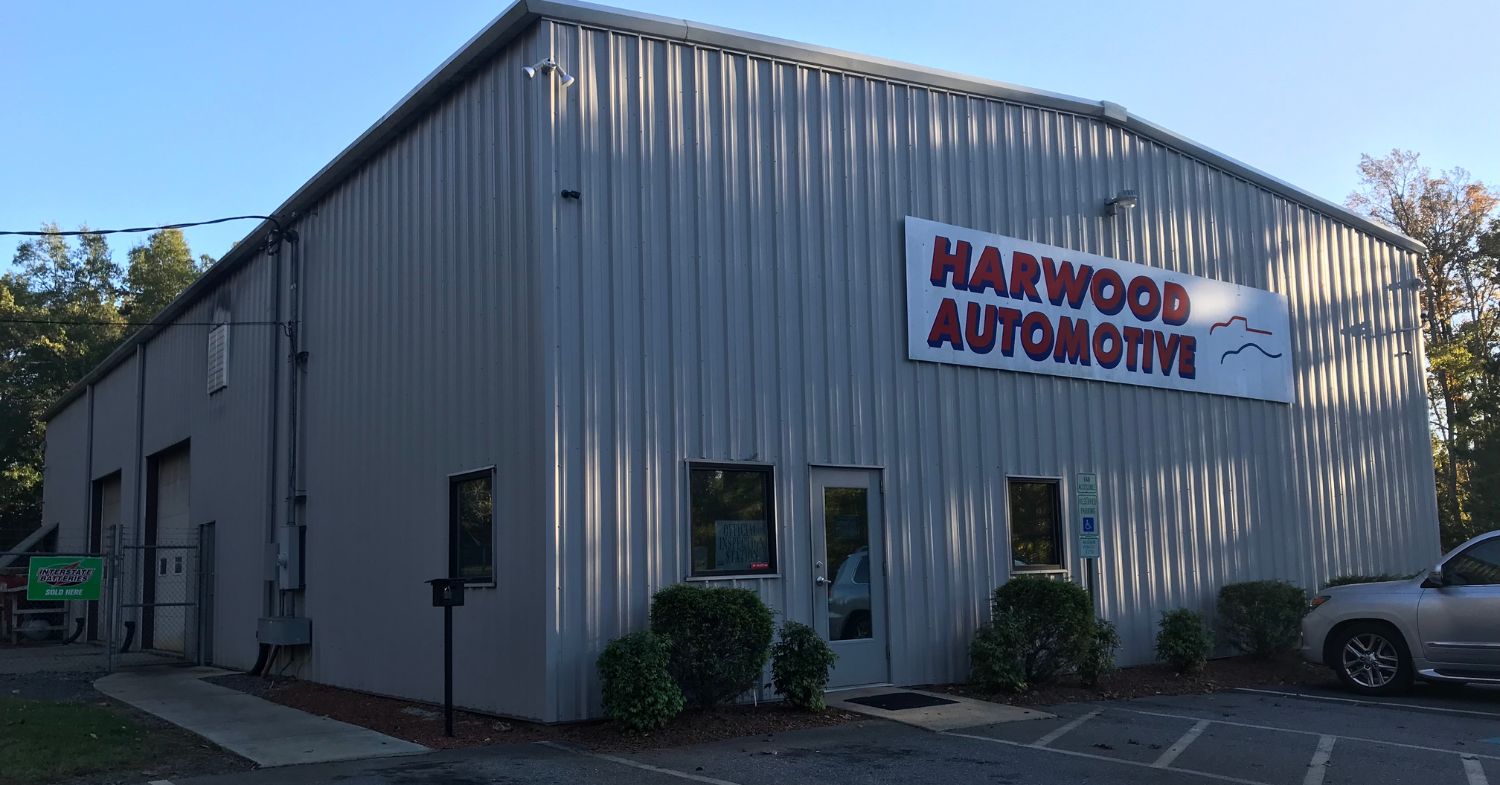
Steel Doesn’t Have To Look Like a Warehouse
Maybe you’re thinking: “Steel sounds practical, but my retail brand needs personality. We can’t look like a warehouse.” That’s a fair concern, but it’s no longer relevant to today’s steel structures.
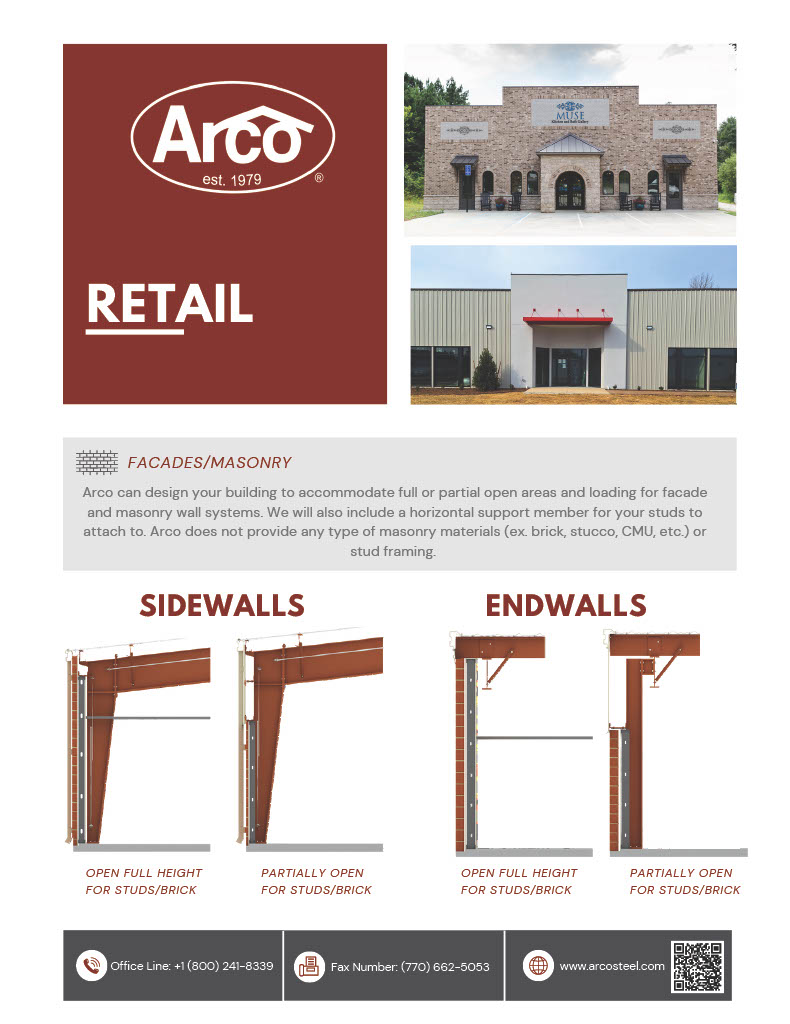
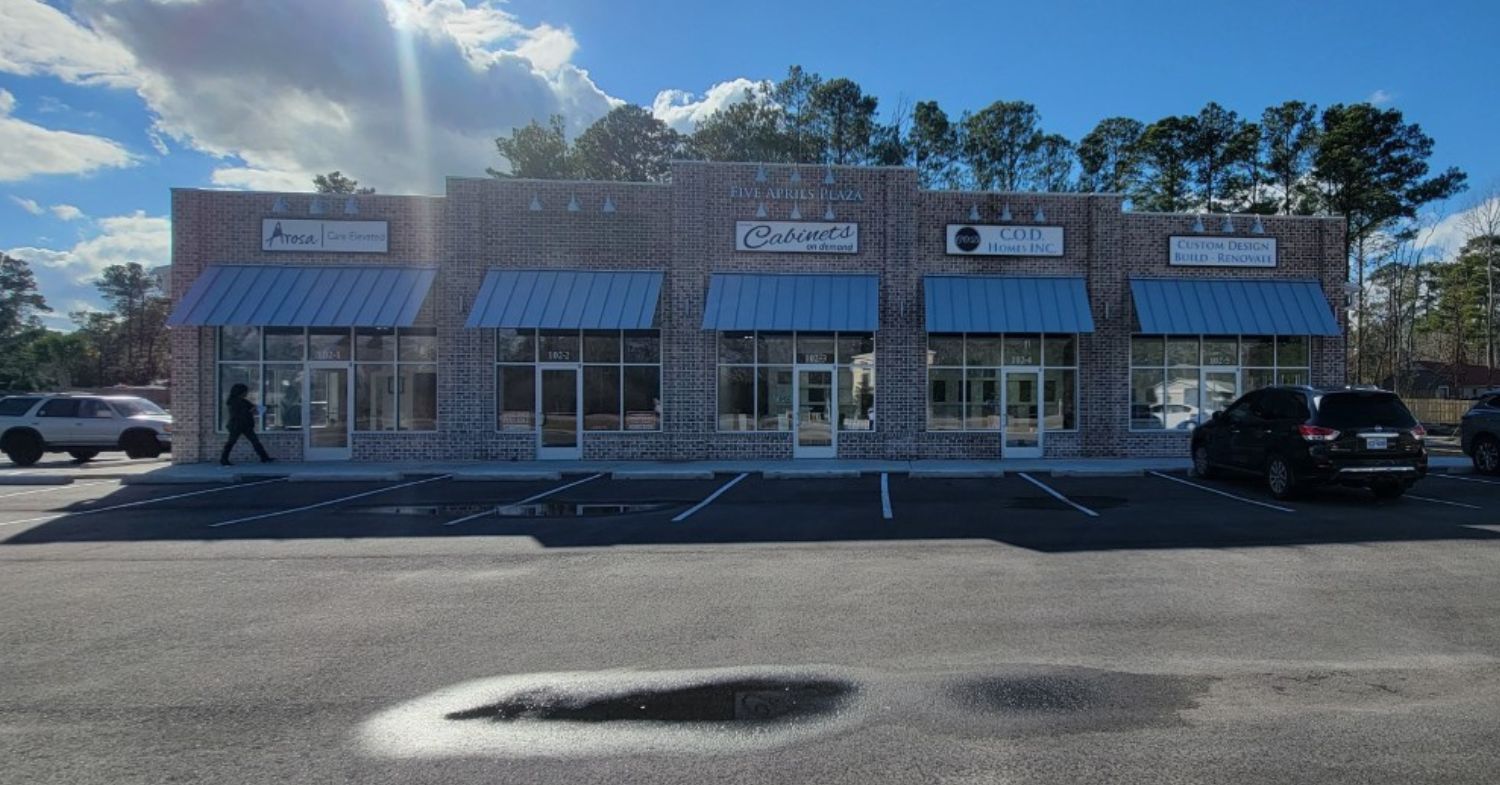
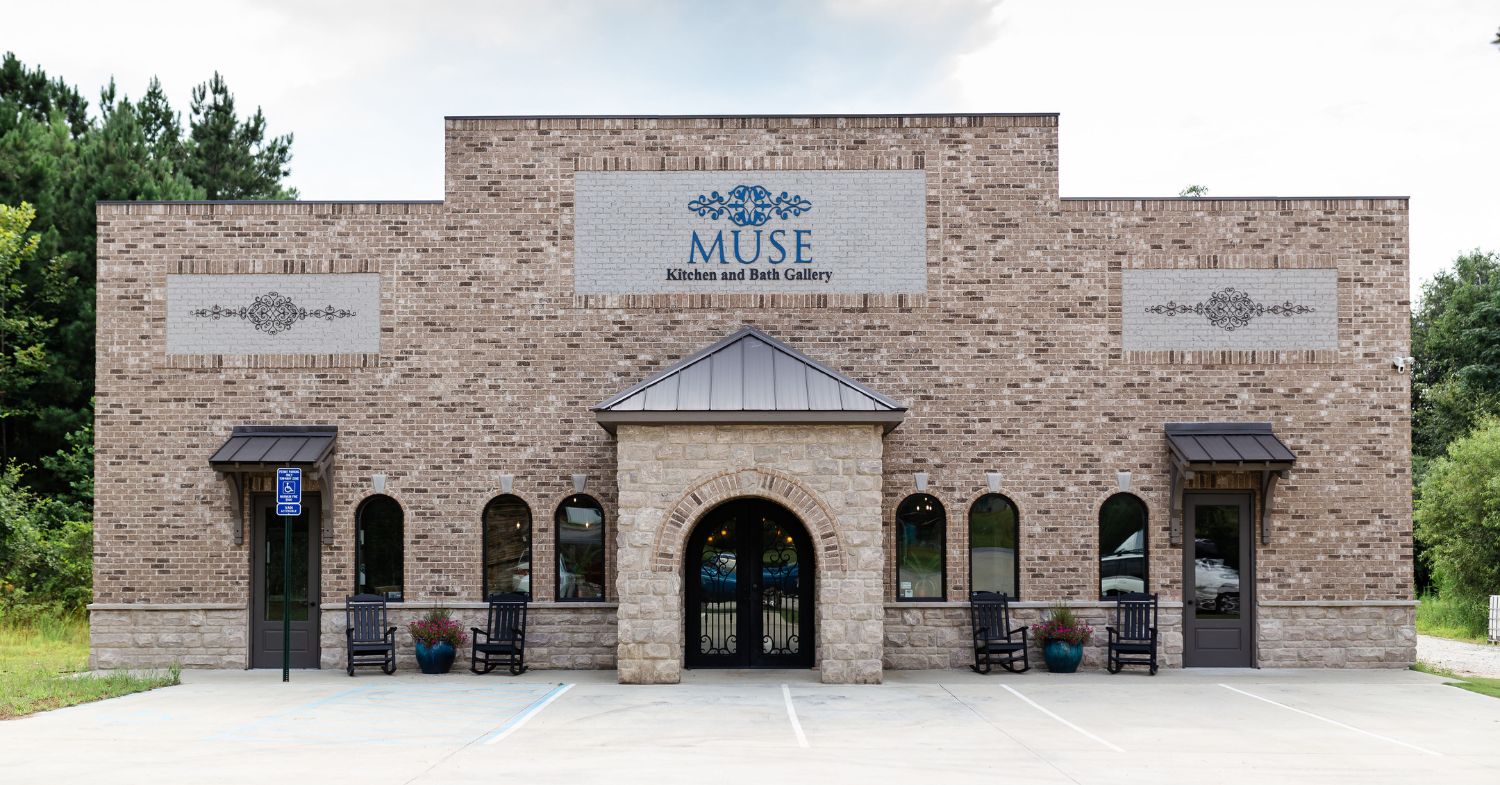
You can easily customize your building’s exterior facade with brick veneer, stone, wood, glass curtain walls, architectural panels, and more. Your steel structure can support practically whatever aesthetic matches your brand identity.
On the inside, the interior finishes work exactly like they would in any other building. Drywall, custom lighting, high-end flooring, sophisticated HVAC systems—none of these elements know or care what’s supporting them. Your customers experience the brand environment you create, not the construction method you chose.
Whether you want to create a stunning showroom, inviting boutique, or modern shopping center, you can do so using steel as the foundation. The structure gives you the economics and performance you need, and the finishes give you the brand expression you want. Ultimately, you don’t have to choose between smart business and attractive design.
Final Thoughts From Arco
The retail industry won’t stop changing. Consumer preferences will continue shifting. New technologies will reshape how people shop. Economic conditions will cycle through expansions and contractions. The question isn’t whether change is coming—it’s whether your physical infrastructure can adapt when it arrives.
This is precisely how steel buildings are shaping the future of retail spaces. They give you the economic efficiency to survive tight margins, the flexibility to pivot when markets shift, the speed to capitalize on opportunities, and the durability to protect your investment long-term. These are practical advantages that improve your daily operations and long-term success.
So now you know that your next retail location doesn’t have to follow the traditional construction playbook. Steel offers you a better path forward, one that costs less, builds faster, performs longer, and adapts more readily to whatever comes next. When you’re ready to start designing your retail space, contact Arco Building Systems. We can help you design, engineer, and construct prefabricated commercial metal buildings, and we’ll do so with an unwavering commitment to quality and customer service.