
Tapered vs. Straight Steel Building Columns: Which To Choose
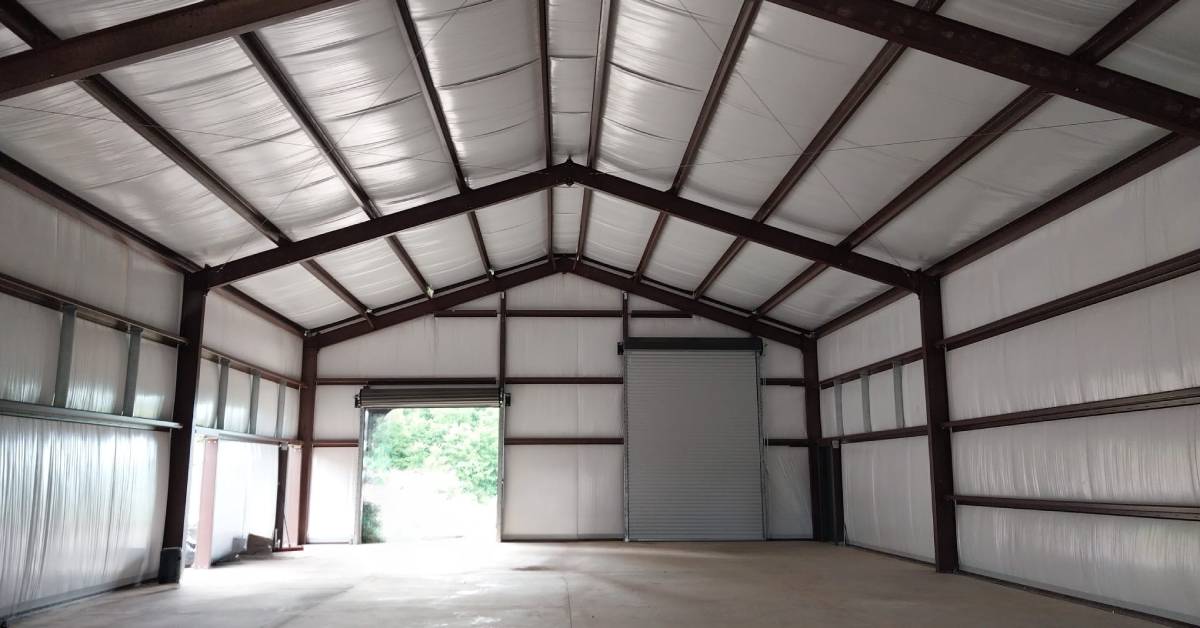
Designing a new facility requires you to make hundreds of decisions before the first truckload of concrete arrives. You must determine the square footage, the roof pitch, and the location of your bay doors. However, one of the most technical and financially impactful choices involves the structural skeleton itself. Specifically, we’re talking about the shape of the primary framing columns. You likely have two main options in the pre-engineered metal building market: tapered columns or straight columns.
This distinction might seem minor on a set of blueprints. However, the choice between a tapered or straight profile dictates your budget, the ease of finishing your interior walls, and the maximum usable floor space. Here, we will break down the mechanics of tapered and straight steel building columns to help you determine which configuration to choose.
The Mechanics of the Tapered Column
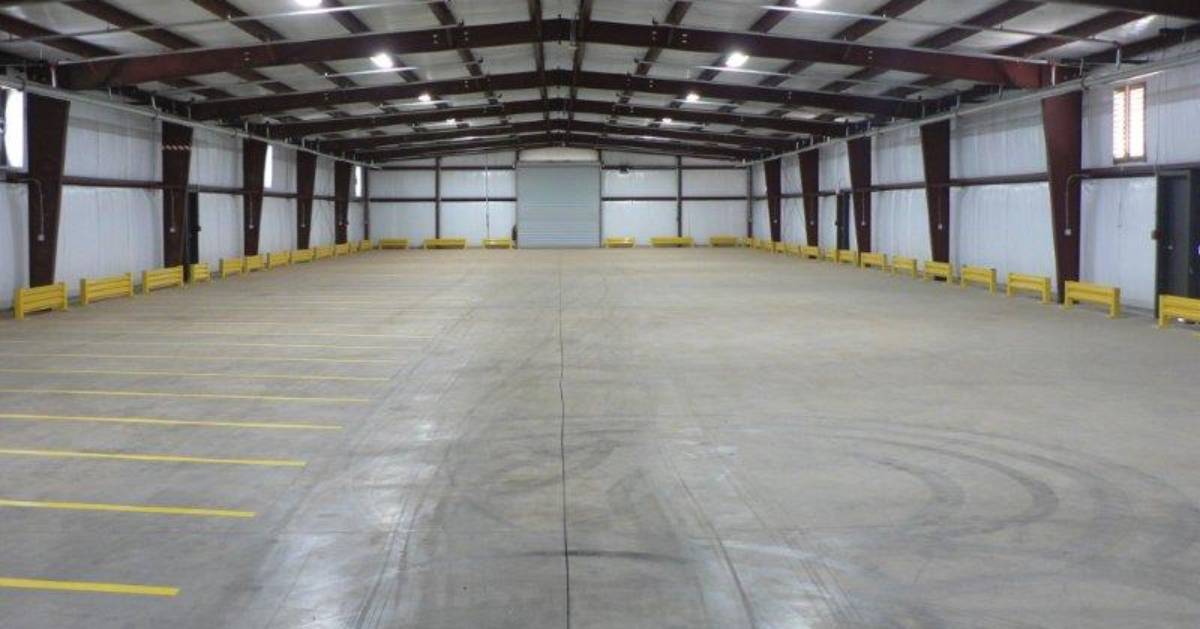
If you walk into a standard warehouse or distribution center, you will likely see rigid frames that are narrow at the bottom and wide at the top. These are called tapered columns, and they are the industry standard for most pre-engineered steel structures.
Engineers design these columns to mimic the stress diagram of the building. The “moment” (or bending force) is greatest where the column meets the roof beam (the haunch) and lowest at the foundation. Then, manufacturers fabricate the steel to place the strength exactly where the physics demand it. By tapering the steel plate, the manufacturer avoids using unnecessary material at the base of the column.
The Economic Advantage
Cost drives the popularity of the tapered design. Because these columns utilize less steel weight than their straight counterparts to achieve the same structural load ratings, they are cheaper to produce. Metal building prices fluctuate based on the global price of raw steel, so any design that lowers the total tonnage of the project will lower your initial purchase price.
You should consider a tapered column design if your project prioritizes the following:
- minimizing the upfront investment for the steel package
- creating a purely functional space, like a warehouse or an agricultural storage area
- reducing the shipping weight of the components to the job site
- leaving the interior walls unfinished or using simple liner panels
The Case for Straight Columns
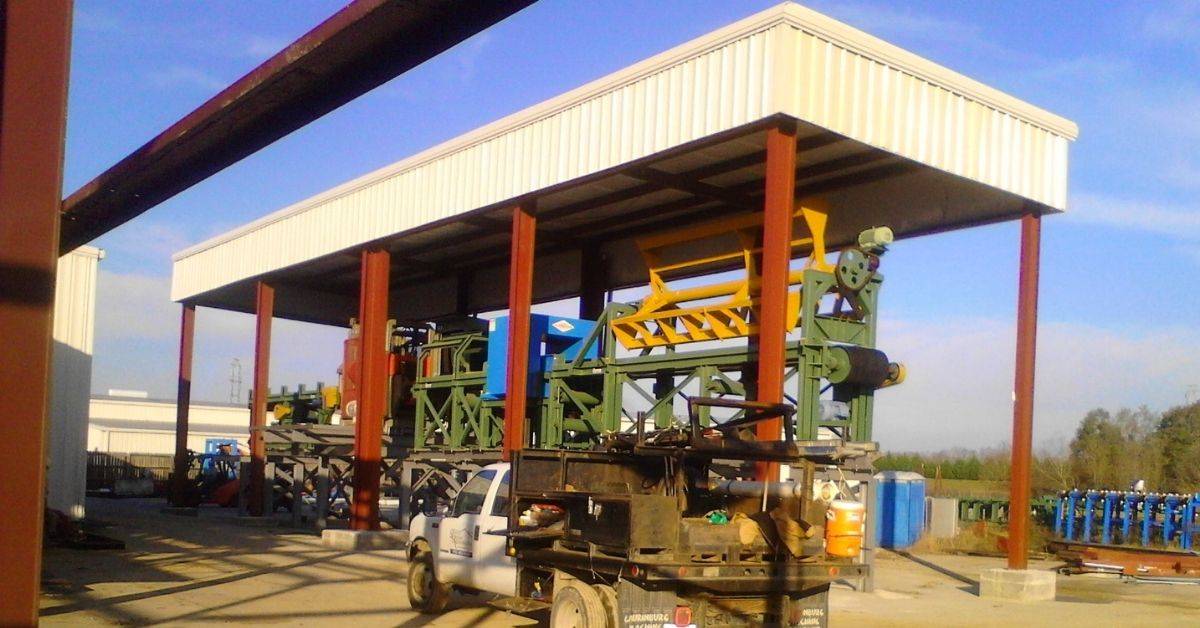
Straight columns maintain a uniform depth from the floor to the eave. These members resemble the traditional I-beams you might see in conventional structural steel construction. While they utilize more steel to handle the same loads as a tapered column—making them heavier and more expensive—they offer specific functional advantages that some projects require.
Interior Finishing and Space Maximization
The primary reason you would opt for a straight column is the intent to finish the interior walls. If you plan to install drywall, slatwall, decorative panels, or flush-mounted shelving, a tapered column presents a geometry problem. You would have to frame out a furring wall that angles into the room to hide the column, which wastes floor space and complicates the carpentry.
Straight columns allow you to run a wall straight up from the floor. This configuration is ideal for retail spaces, commercial offices, or facilities where aesthetics matter as much as durability. Additionally, straight columns provide a uniform clearance from floor to ceiling, which can be critical for placing machinery or racking systems tight against the wall.
You might justify the extra expense of straight columns if your building plan involves the following:
- applying conventional drywall or residential-style finishes to the interior
- maximizing every inch of floor space right up to the sidewalls
- creating a streamlined, commercial retail appearance
- avoiding the need for complex carpentry to conceal angled structural members
How the Frame System Impacts Column Choice
In order to choose between tapered and straight steel building columns, you must also consider the overall frame system of the building. Arco Building Systems offers flexible frame types that can accommodate either column style, though the application usually dictates the best fit.
Clear Span Versatility
Gabled clear span frames are the workhorses of the industrial world. These rigid frames require no interior columns, creating an obstruction-free workspace. Clear span designs are perfect for manufacturing plants, aircraft hangars, indoor sports facilities, and agricultural storage. In these large, open setups, tapered columns are almost always the preferred choice to keep costs down over wide spans (typically 20 to 120 feet).
Interior Column Efficiency
On the other hand, buildings wider than 100 feet often benefit from interior columns. These modular frames use interior supports to reduce the load on the exterior frames. While the exterior columns are typically tapered to save money, the interior columns are usually straight pipes or tubes to minimize their footprint on the factory floor.
For structures exceeding 100 feet in width, interior column designs provide a cost-efficient alternative while maintaining strength. This setup allows you to expand your facility to massive widths—up to 240 feet or more—without the cost of a massive clear span rafter.
A Note on Durability and Industrial Resilience
Regardless of the column shape you select, the material capability remains the same. Industrial metal buildings are engineered to withstand severe abuse. Arco steel buildings, for instance, are designed to resist wind speeds of up to 170 mph.
Moreover, steel is naturally resistant to the issues that plague wood-framed industrial structures. Steel components do not warp, crack, or creep over time. They are impervious to termites and resistant to mold and mildew, which helps protect the goods stored inside. Furthermore, steel is non-combustible. This fire resistance creates a safer environment for your employees and provides lower insurance premiums compared to wood-framed structures.
And the rigid frames, whether tapered or straight, are coated with a red oxide primer to resist corrosion. When you invest in an industrial metal building, you are looking at a lifespan that can easily exceed 50 years with proper maintenance.
Arco: Building Your Industrial Legacy
The decision between tapered and straight columns ultimately comes down to a balance of economy versus utility. Tapered columns offer the most strength for the least amount of money, making them the smart choice for warehouses, factories, and agricultural buildings where the structure is exposed. Straight columns offer a clean, uniform profile that simplifies interior finishing, making them the better option for offices, retail centers, and finished commercial spaces.
At Arco Building Systems, we have spent roughly 45 years helping business owners navigate these technical choices. We can tailor pre-engineered industrial buildings to suit the unique requirements of your specific operation..
If you are ready to expand your operations with a structure that is durable, cost-effective, and engineered to your exact specifications, you should explore our website and reach out today.