
Tips for Maintaining Your Agricultural Steel Building
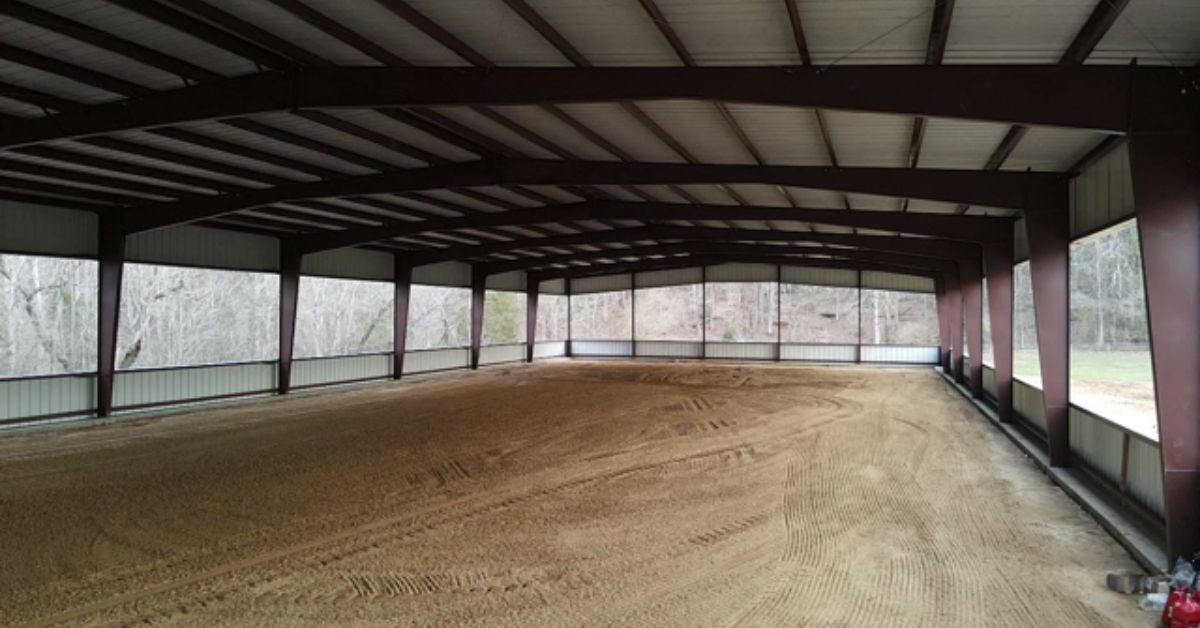
You’ve made a smart investment in your agricultural steel building. That red iron structure shelters your equipment, protects your livestock, or stores your harvest season after season. But even the toughest steel buildings need maintenance in order to deliver decades of reliable service. These tips for maintaining your agricultural steel building will help you protect your investment and keep everything running smoothly.
Inspect Your Building on a Schedule
If you inspect your building every month, you’ll probably catch many small problems before they get out of hand. During your inspection, look for the following:
- rust
- loose fasteners
- damaged panels
- gaps in seals or trim
- lingering water on the roof or between joined materials
- cracks in the concrete foundation (if applicable)
If you notice any of these issues in their beginning stages, you can take care of them immediately and for much less money than if you were to wait.
Keep Your Roof Clean and Clear
Your roof is one of the most exposed parts of your building, and it’s also the biggest barrier between your assets inside and the destructive elements outside. Leaves, branches, dirt, and agricultural debris accumulate up there, and they trap moisture against the metal. This moisture accelerates rust formation and shortens your building’s lifespan if you don’t remove the debris.
Sweep or blow off your roof at least twice a year—once in spring and again in fall. Be particular about removing any debris that’s collected in valleys or around ventilation equipment.
Additionally, trim back tree branches that hang over your building. Those branches drop leaves constantly and can scrape against your roof when it’s windy.
And lastly, if it snows in your region, then have a plan for snow removal. While agricultural steel buildings handle typical snow loads without issue, excessive accumulation can be unnecessarily stressful for the structure. It’s always safer to clear heavy, wet snow when you have the chance to.
Address Rust Immediately
The protective coatings on red iron buildings are designed to resist corrosion, but scratches, impacts, and wear can eventually compromise that protection.
When you spot rust, act fast. Wire-brush the affected area to remove all loose rust and flaking paint. Clean the surface thoroughly, then apply a rust-inhibiting primer followed by a topcoat that matches your building’s finish. This simple process stops rust from spreading and eating through your steel panels.
Pay particular attention to the bottom three feet of your building. Splash-back from rain, standing water, and ground moisture all attack this vulnerable zone. Some farmers apply an extra coat of rust-resistant paint to this area as added protection.
Maintain Proper Drainage
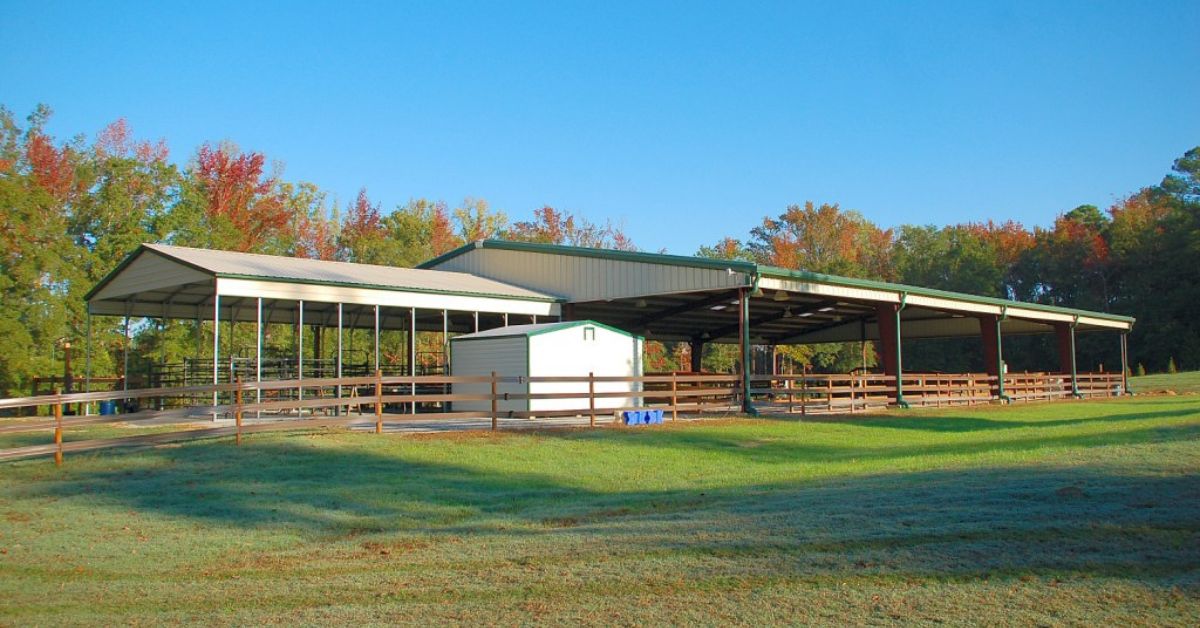
Water is enemy number one for practically all types of buildings, including red iron ones. If you don’t maintain proper drainage around your structure, then lingering water could undermine the foundation, promote rust, and create conditions for mold and mildew inside.
Keep gutters and downspouts clear of leaves, nests, and debris. Water should flow freely away from your building’s foundation. Extend downspouts at least 4 to 6 feet from the base, or route them into proper drainage systems.
Another good move is to grade the soil around your building so water flows away rather than pooling against walls. Also, fill in low spots where puddles form. You might consider installing gravel beds in areas with persistent drainage issues.
Lubricate and Adjust Doors
Your doors work hard. Rolling stock in and out, opening for ventilation, battening down during storms—all this activity takes a toll on hardware and moving parts.
Lubricate hinges, rollers, tracks, and locks every six months using a silicone-based lubricant or light machine oil. Afterward, check that the doors hang properly and make smooth contact with the weather stripping. Adjust tracks and tighten hardware as needed.
If any weather stripping is worn out, replace it promptly. Those rubber seals keep out rain, snow, wind, and pests. Damaged weather stripping wastes heating or cooling energy and allows moisture inside your building.
Inspect and Maintain Fasteners
The screws and bolts holding your building together are extremely strong, but they’re also under constant stress from wind loads, temperature changes, and structural movement. Therefore, these fasteners can loosen over time.
Walk your building’s perimeter and check fastener tightness. Look for missing screws or bolts, particularly around doors, in roof panels, and along wall seams. Replace missing fasteners immediately.
While you’re at it, check the rubber washers under fastener heads. These washers seal the fastener holes and prevent water infiltration. Cracked or compressed washers need replacement to maintain your building’s watertight integrity.
Control Interior Moisture and Ventilation
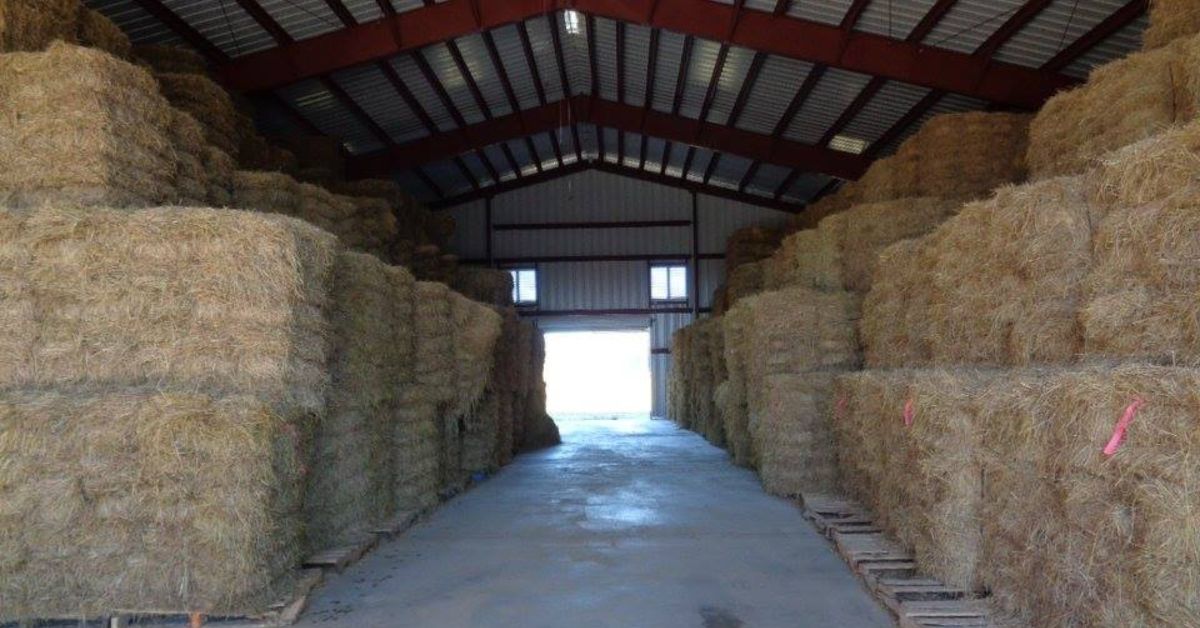
Moisture inside your building causes just as many problems as exterior water. Condensation forms when warm, humid air contacts cold steel surfaces. Stored hay, livestock, and equipment all release moisture that needs somewhere to go.
Proper ventilation is your best defense. Ridge vents, gable vents, and sidewall openings allow air circulation that carries moisture away. Make sure these vents stay clear and functional.
Another tip is to avoid storing wet hay or equipment directly against walls. Leave space for air circulation. In livestock buildings, frequently change manure and bedding to control humidity levels.
Protect Your Foundation
Your steel building is only as good as what it sits on, which is usually a concrete slab. In that case, monitor your foundation for cracks, settling, or erosion. Fill minor cracks promptly to prevent water infiltration and further damage. Furthermore, watch for signs of differential settling—doors that bind, gaps appearing in wall panels, or visible leaning. And lastly, keep vegetation away from your foundation. Though it might not seem like it, roots can cause cracking in concrete.
Maintain Protective Coatings
The factory finish on your steel building protects against rust and UV damage, but that finish won’t last forever without help.
Every few years, inspect your building’s paint or coating system. Fading, chalking, and minor wear are normal, but widespread coating failure requires action. Power wash your building to remove dirt, mildew, and oxidation, and apply a fresh topcoat before rust takes hold.
This preventive recoating costs far less than dealing with widespread rust damage. Always, regular maintenance beats replacement.
Final Thoughts
Agricultural steel buildings can serve you reliably for 30, 40, or even 50 years if you care for them. And when you’re ready to put all these maintenance tips to work on a structure that’s built for the long haul, Arco is here to help.
We design agricultural steel buildings to protect livestock, hay, and equipment, with kit options you can customize around your day-to-day operation—right down to layout and color choices. You’ll get support from us through the whole process, including help selecting the right building and providing permit drawings. Reach out for a quote, and let’s spec a building that fits your farm like a glove.