
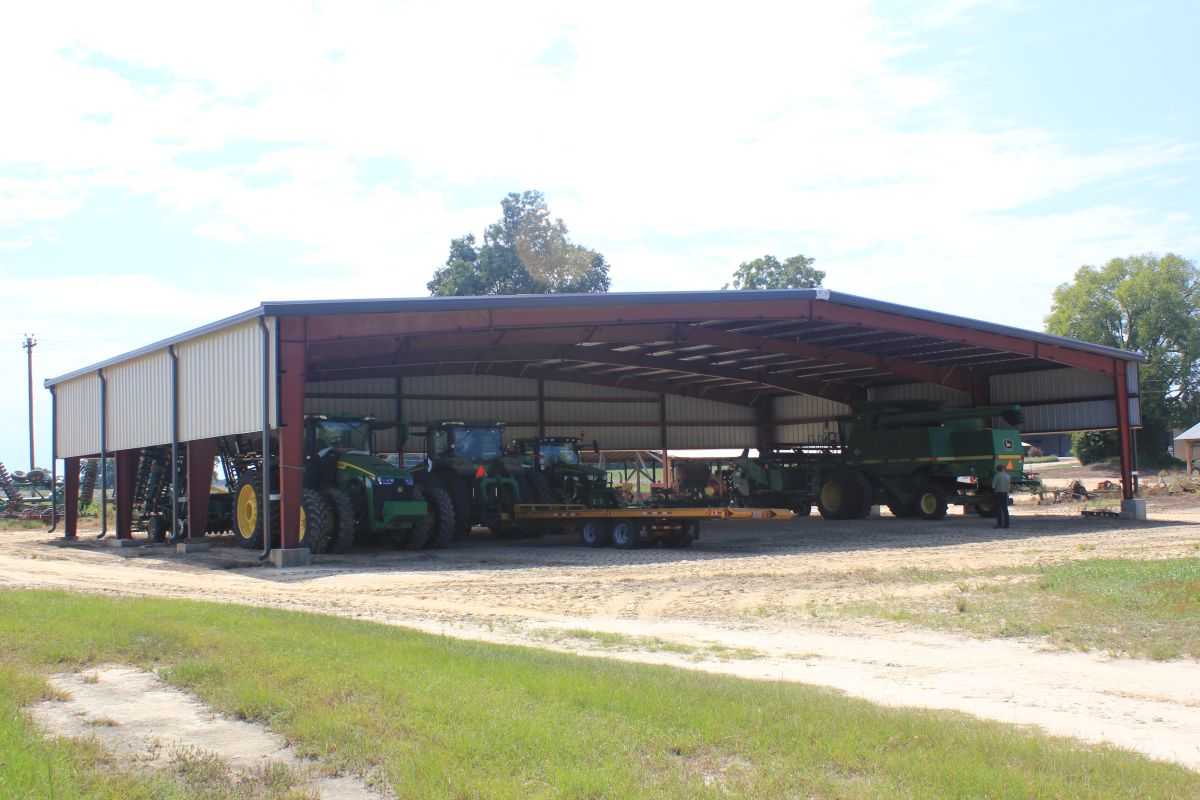
Farming puts buildings to the test. Equipment, feed, livestock, changing weather, and daily work all place demands on the structures that support an agricultural operation. Farmers need buildings that can handle those demands year after year without creating unnecessary maintenance headaches.
Steel buildings offer a practical answer. Their strong framing, adaptable layouts, and durable exterior materials make them well suited for many agricultural uses.
Why Does Steel Work Well for Agricultural Buildings?
Agricultural buildings often need to cover large areas while protecting valuable equipment, materials, or animals. A pre-engineered metal building uses a coordinated framing system that provides dependable structural support while allowing owners to make efficient use of the interior.
Steel also works well for projects that need wide, open areas. Farmers can use that space for machinery storage, workshops, hay and feed storage, livestock needs, or other farm activities.
How Does Steel Stand Up to Demanding Farm Use?
Farm buildings see frequent activity. Tractors move in and out, tools and machinery take up substantial space, and crews may use the building throughout the day. A durable structure needs to support this routine without becoming a constant maintenance project.
Red-iron, welded I-beam framing provides a strong structural system for demanding applications. Pre-welded components also arrive ready for bolt-up assembly, so the building does not require field welding. When farmers start with a building engineered for the project, they gain a structure designed around its intended dimensions and local requirements.
How Can Steel Buildings Protect Farm Equipment?
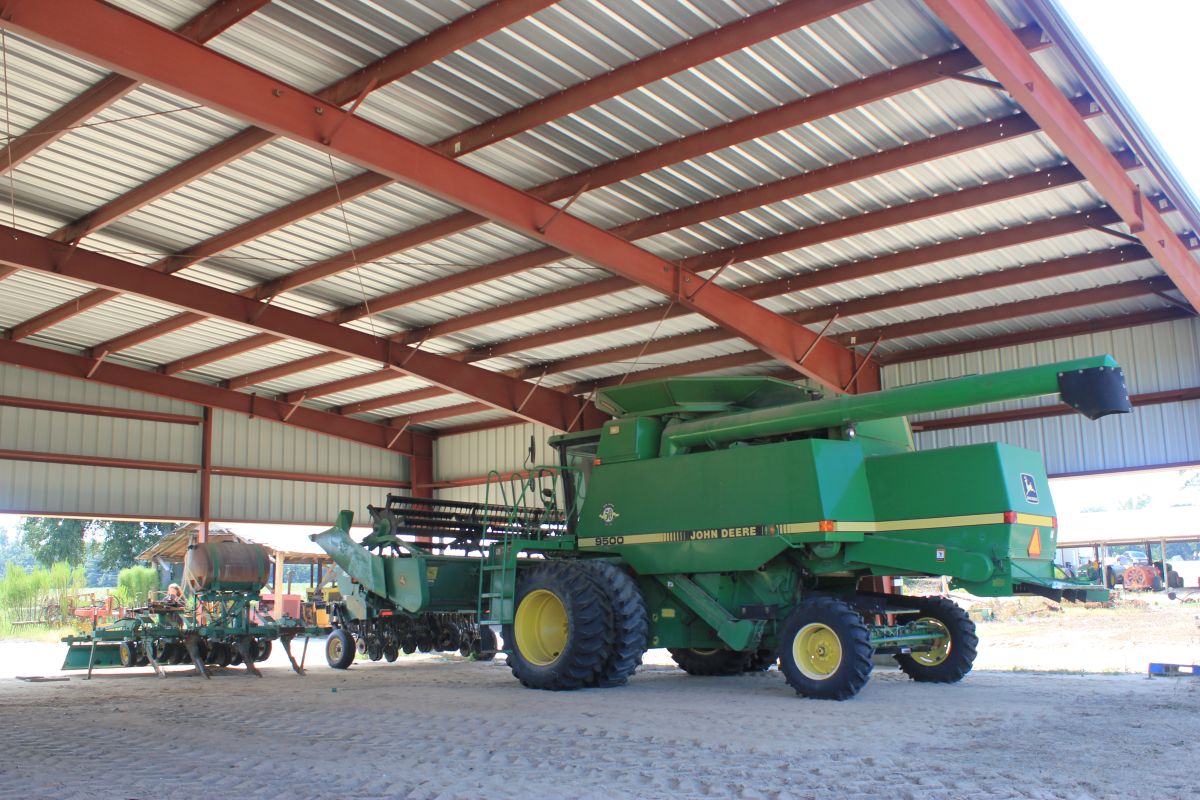
Modern farm equipment represents a major operational investment. Tractors, combines, implements, utility vehicles, and attachments can suffer unnecessary wear when they remain exposed to rain, sun, wind, and other weather.
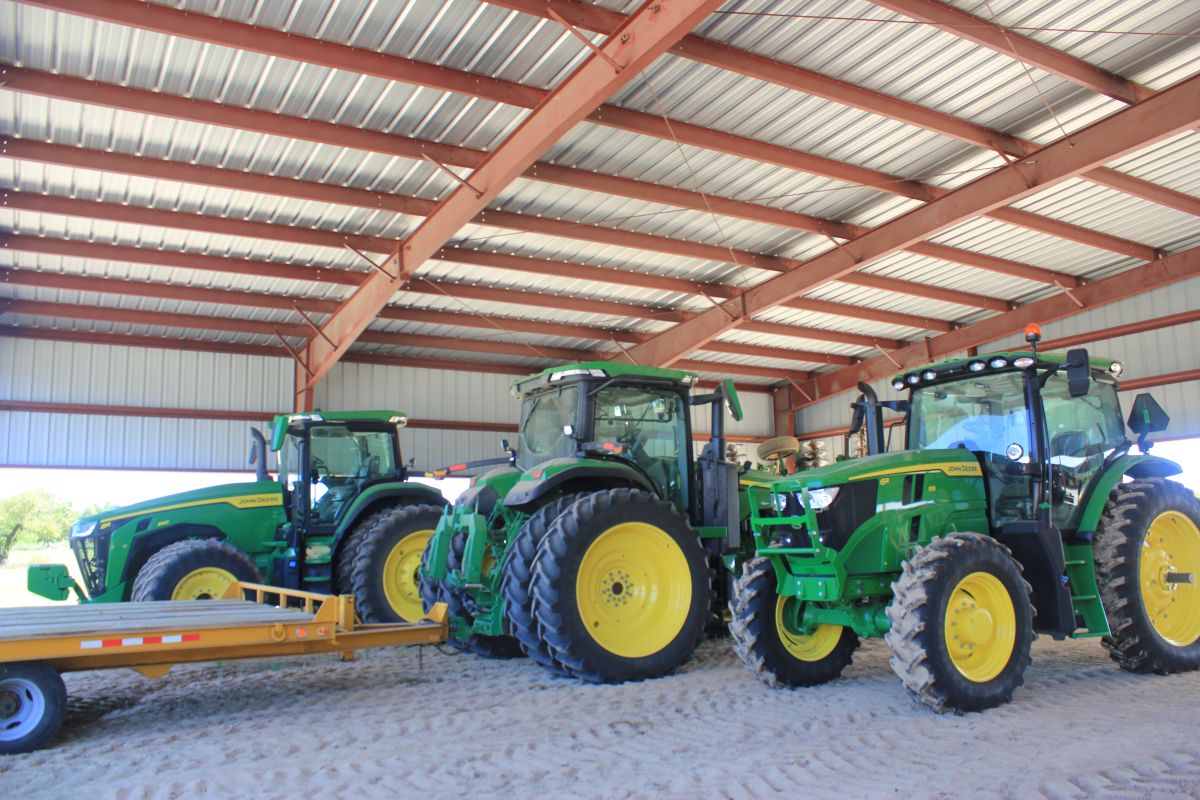
A steel building gives farmers a dedicated place to keep equipment under cover. Large doors can accommodate machinery, while an open interior can simplify parking and movement. Farmers can also organize tools, parts, and maintenance areas inside the same structure, helping them keep essential resources close to the equipment they support.
Why Are Clear-Span Interiors Valuable on a Farm?
Interior columns can complicate equipment movement and limit how farmers arrange large machinery. Clear-span designs can create broad usable areas without interior columns interrupting the main floor space.
That flexibility helps farmers change the layout as equipment sizes, storage needs, or workflows evolve. Instead of designing around a maze of supports, they can make better use of the available square footage.
Can Steel Buildings Handle Local Weather Requirements?
A farm building must match the conditions at its actual location. Snow, wind, seismic conditions, and other code requirements can affect the engineering needed for a project. Farmers should verify applicable codes and loads with their local authority before ordering a building.
A pre-engineered system can account for project-specific requirements during the design process. Agricultural steel buildings should fit the site rather than rely on a one-size-fits-all specification. Proper planning helps ensure that the structural package reflects the conditions the building needs to face.
Do Metal Roof and Wall Panels Support Long-Term Use?
Roof and wall panels form the building’s exterior envelope, so their performance matters throughout the structure’s service life. Metal panels create a durable exterior that works with the framing system to enclose the building and protect what farmers keep inside.
Farmers should still inspect the exterior periodically and address damage when it occurs. Routine attention to panels, fasteners, trim, gutters, and other components can help prevent small issues from turning into larger repairs.
How Does a Steel Building Reduce Maintenance Demands?
Farmers already manage equipment, land, crops, livestock, and countless daily tasks. A building should support those responsibilities rather than add an excessive maintenance burden.
Steel building systems do not require the same upkeep as many materials that can rot or attract wood-damaging pests. Owners should still maintain the structure, keep drainage working properly, and repair damaged components.
Useful maintenance checks can include:
- Inspecting roof and wall panels for visible damage
- Keeping gutters and downspouts clear
- Checking doors and accessories for proper operation
- Watching for leaks or persistent moisture
- Addressing loose or damaged components promptly
Can Farmers Customize Steel Buildings for Different Uses?
No two farms operate exactly alike. One farmer may need a machinery building, while another needs feed storage, livestock space, a workshop, or a combination of functions. Steel buildings give owners room to plan dimensions, openings, accessories, and interior use around the operation.
Gable, single-slope, asymmetrical, and monitor roof designs offer options depending on the building specifications.
Can a Steel Farm Building Expand Later?
Agricultural operations rarely remain static. A farm may add equipment, increase production, change storage practices, or create a new work area. A building that supports future expansion can help owners respond to growth without immediately replacing the original structure.
Steel buildings can accommodate additions when owners plan and engineer the expansion correctly. Farmers who think they may need more space later should discuss that possibility during the initial planning process.
Why Does Building Design Matter for Daily Farm Efficiency?
Durability means more than resisting weather. A long-lasting building also needs to remain useful. Poor door placement, cramped equipment lanes, or inadequate storage zones can make a structurally sound building frustrating to use.
Farmers should think through daily movement before finalizing dimensions and openings. Consider how the largest equipment will enter, turn, park, and exit. Allow room for future machinery when possible, and think about how people will move between storage, work, and access areas.
What Role Does the Foundation Play in Durability?
A strong steel building still needs a properly designed foundation. The concrete slab or footers must account for the building reactions shown in the engineered building drawings.
The slab also needs adequate curing before crews install the building materials. Some agricultural applications may use a dirt or gravel floor with properly designed footers instead of a full slab.
Why Is Proper Drainage Important Around a Farm Building?
Water management plays an important role in protecting any agricultural structure. Roof runoff needs a clear path away from the building, and the surrounding site should not encourage water to collect around the foundation.
Gutters and downspouts can help direct roof water where it belongs.
How Does Planning Ahead Improve Long-Term Value?
Farmers often get the best use from a building when they plan beyond today’s immediate storage problem. A structure that barely fits current machinery may become restrictive after the next equipment purchase. A door that handles today’s tractor may not suit a larger machine later.
Planning for practical growth can extend the building’s usefulness. Farmers should consider future equipment dimensions, storage volume, work areas, access routes, and possible expansion before settling on the final design.
Why Do Farmers Continue To Choose Steel Buildings?
Farmers need buildings that work hard, protect important assets, and adapt to changing operations. Steel building systems combine strong framing, useful open space, customizable features, and straightforward maintenance in a package that fits many agricultural applications.
Arco Building Systems has supplied metal building materials since 1979 and works with customers across a wide range of agricultural and commercial projects. Farmers planning a new equipment storage building, workshop, livestock structure, or other farm facility can contact Arco to discuss building dimensions, features, and project requirements before requesting a quote.