
Why Steel Is Better Than Concrete for Commercial Buildings
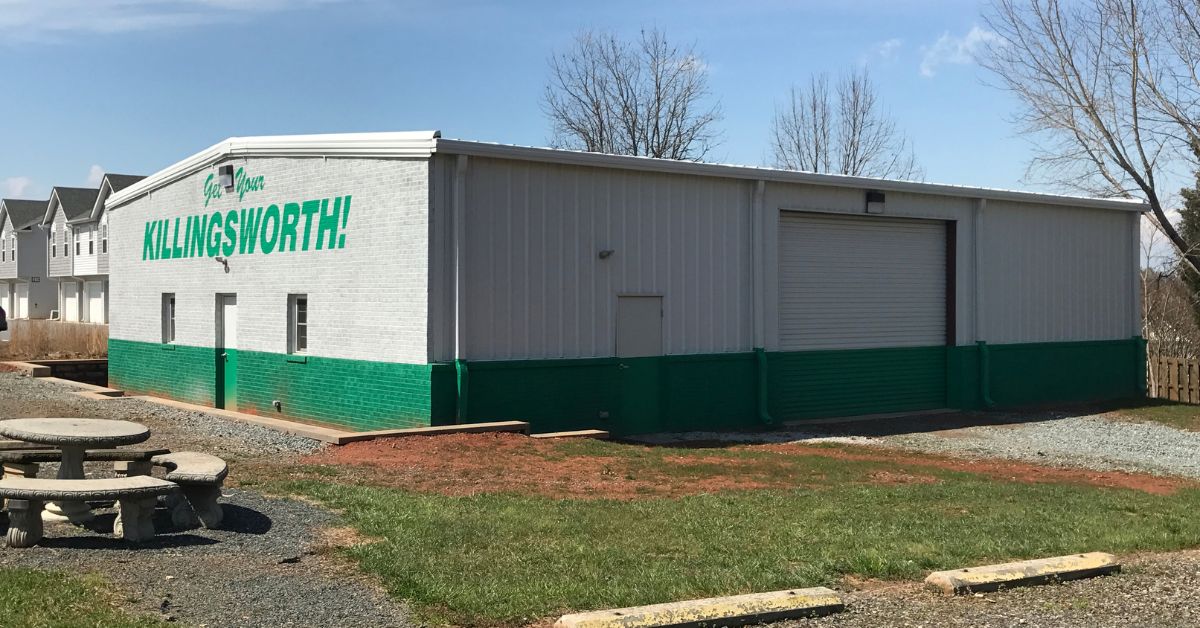
Every business owner faces a critical decision when expanding operations or breaking ground on a new venture: selecting the right material for the structure itself. The building you choose becomes the physical heart of your organization. It impacts your overhead, your workflow, and your brand image.
While concrete has held a place in commercial construction for decades, modern business demands a certain speed, flexibility, and ROI that concrete can struggle to deliver. Enter steel.
We aren’t talking about flimsy sheds here; we are talking about robust, pre-engineered red-iron steel framing that outclasses concrete in almost every metric that matters to a CFO. Let’s look at why steel is better than concrete for your next commercial building project.
Steel Buildings Are Faster To Build
In the commercial sector, an unfinished building is a massive liability. You cannot generate revenue from a retail shop, auto dealership, or manufacturing plant that doesn’t exist yet.
That’s why concrete can be a problem: It’s notoriously slow to construct. It relies heavily on favorable weather conditions, extensive curing times, complex formwork, and large crews for pouring and finishing.
Steel flips the script on construction timelines. Because manufacturers pre-engineer and fabricate commercial metal building kits off-site, the components arrive at your location ready for assembly. Your erection crew receives a kit where every I-beam, purlin, and girt is cut, drilled, and welded to precise specifications. This pre-fabrication eliminates the need for measuring and cutting on the jobsite. Consequently, you save money on labor costs, reduce construction waste, minimize site disruption, and open your doors for business months sooner than you would with a concrete build.
Steel Structures Are Cheaper To Build
Many investors overlook what happens below the ground. Because concrete structures are incredibly heavy, they require massive, expensive foundations to prevent settling. Therefore, the engineering required to support a tilt-up concrete wall is substantial and costly.
Steel buildings exert less dead load on the foundation. Consequently, you can utilize smaller footings and lighter slabs. This difference saves you money on concrete, excavation, and soil remediation before vertical construction even begins. When you aggregate the savings from the foundation, the reduced labor hours, and the lower material costs, steel buildings save up to 30 percent in construction costs compared to traditional methods.
Steel Offers More Flexibility Without Sacrificing Integrity
Concrete is strong, but it is also exceptionally heavy and rigid. To support its own weight, concrete construction usually requires massive internal columns or load-bearing walls that interrupt your floor plan. This limits how you can utilize your interior space.
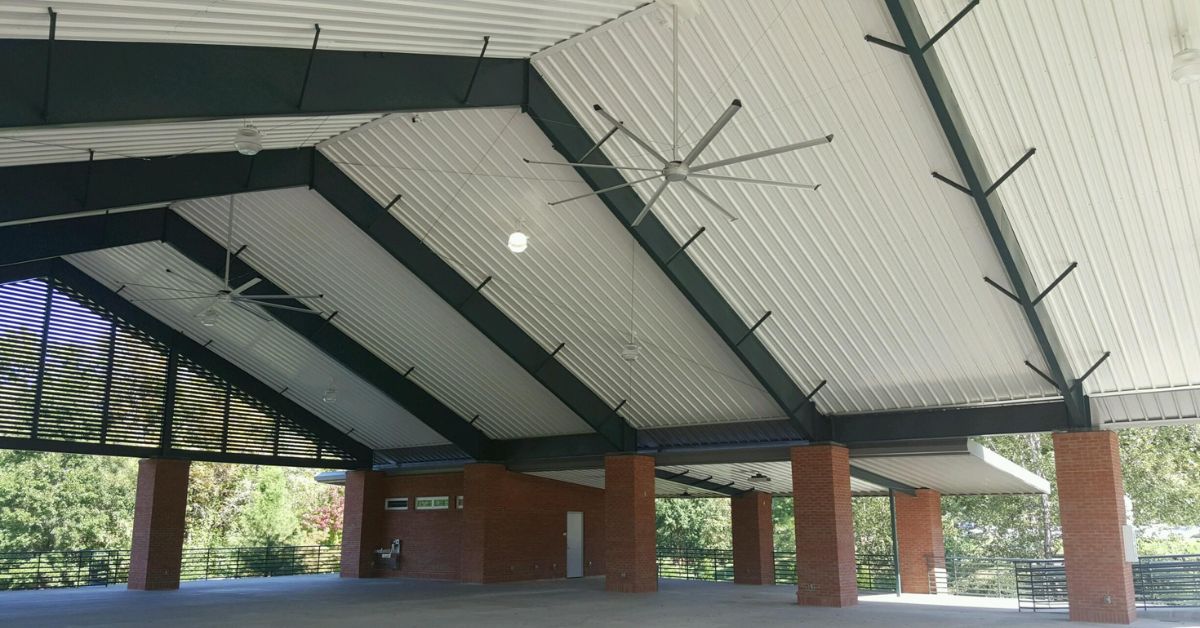
Conversely, steel possesses the highest strength-to-weight ratio of any common building material. This physical property allows for clear-span capabilities. What this means is you can erect a facility that spans 100 feet or more without a single internal column obstructing your operations.
The Clear-Span Advantage
This clear-span design is crucial for diverse commercial applications. You might need an open showroom for an auto dealership, a flexible layout for a retail strip mall, high ceilings for a recreation facility, or unobstructed floor space for a warehouse. Steel provides the open canvas you need to design a layout that optimizes workflow.
Moreover, business needs change. If you need to expand a concrete building later, you face an expensive and messy demolition process. Steel buildings allow for easy expansion. You can simply remove an end wall and bolt on additional framing bays to grow your facility alongside your company.
Steel Tends To Be More Durable
Concrete is perceived as permanent, yet it suffers from specific, persistent vulnerabilities. Namely, it cracks over time as the ground shifts, and then it spalls when moisture gets into those cracks and freezes. It is also porous, making it susceptible to mold and mildew in damp climates.
Steel offers resilience that concrete cannot match. Pre-engineered metal buildings tend to use red-iron steel, which is resistant to the issues that plague other materials.
Commercial steel buildings resist fire, termites, rot, and mold. This resistance translates to lower insurance premiums and drastically reduced maintenance budgets. You won’t spend your weekends worrying about structural cracks or pest infestations. Additionally, these structures are engineered to withstand harsh weather conditions, including heavy snow loads, hurricane-force winds, intense heat, and torrential rain.
Steel Is the More Sustainable Choice
Did you know that steel is the most recycled material on the planet? It’s true. The beams in your new office building likely contain recycled metal, and at the end of the building’s long lifespan, that steel is 100 percent recyclable again. Concrete, conversely, is energy-intensive to produce and difficult to recycle.
Furthermore, steel buildings integrate easily with modern insulation systems. By using deep wall cavities for high R-value insulation, you minimize thermal bridging and keep your HVAC costs low. You create a comfortable environment for your employees and customers while keeping your utility bills in check.
Steel Can Look Very Nice
A common misconception is that choosing steel means settling for a boxy, industrial look. That might have been true fifty years ago, but today’s commercial metal buildings are fully customizable.
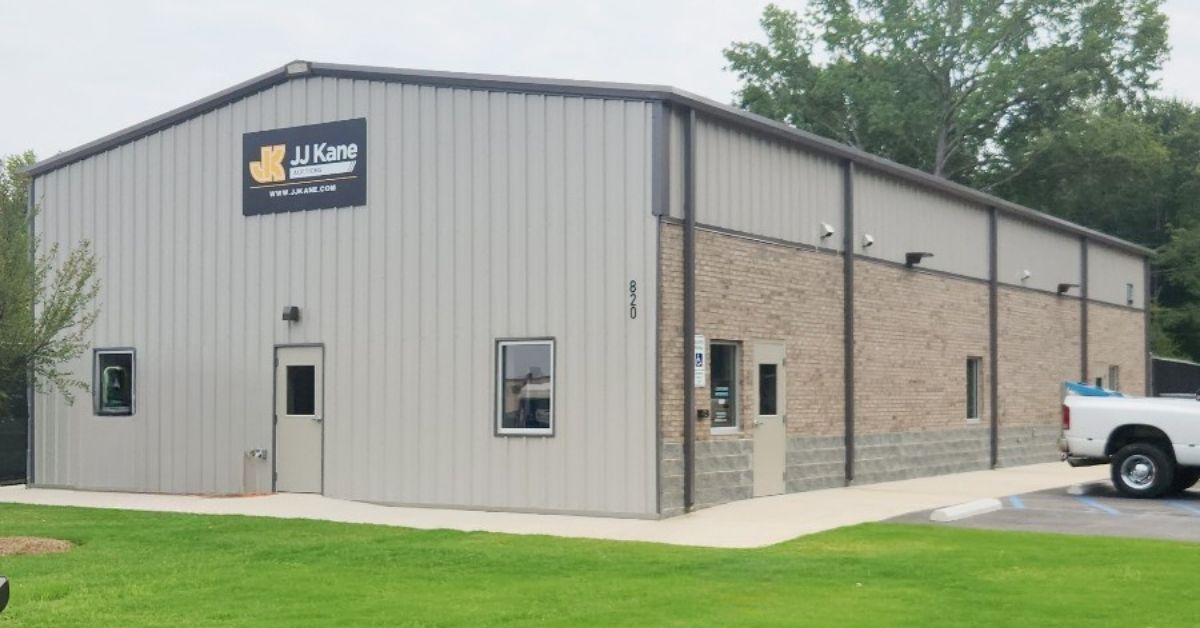
You can finish the exterior of a steel frame with almost any material you desire. Choose from glass facades, brick or stone veneers, stucco, architectural metal panels, and more. Essentially, you can get the structural benefits of steel with an exterior that matches your brand’s aesthetic perfectly.
Why Partner With Arco Building Systems?
It’s clear that steel is better than concrete for commercial buildings, but selecting the material is just step one. Selecting your industry partner is step two. Since 1979, Arco Building Systems has been a leader in the industry. We are family-owned and have grown to become the 5th largest builder in the United States by focusing on one thing: the customer experience.
Single Point of Contact
We don’t bounce you around a call center. You will work with one sales rep and one customer service representative from the planning stage through to final execution. This specialist knows your project inside and out, coordinates with the manufacturer, and guarantees you get the exact building you ordered.
Experience That Matters
With over 45 years in business and a staff boasting over 150 years of combined industry experience, we know how to navigate the complexities of commercial construction. We provide easy-to-understand quotes, reliable scheduling, and referrals to insured steel erectors in your area.
Whether you need a mini storage facility, an aircraft hangar, or a retail complex, we have the expertise to deliver an excellent product.
Take the Next Step for Your Business
Your building should be an asset, not a burden. By choosing steel, you opt for a structure that is cost-effective, rapidly deployable, durable, and flexible enough to grow with you. Don’t let your capital get stuck in a slow concrete pour.
Contact Arco Building Systems today to discuss your project!