
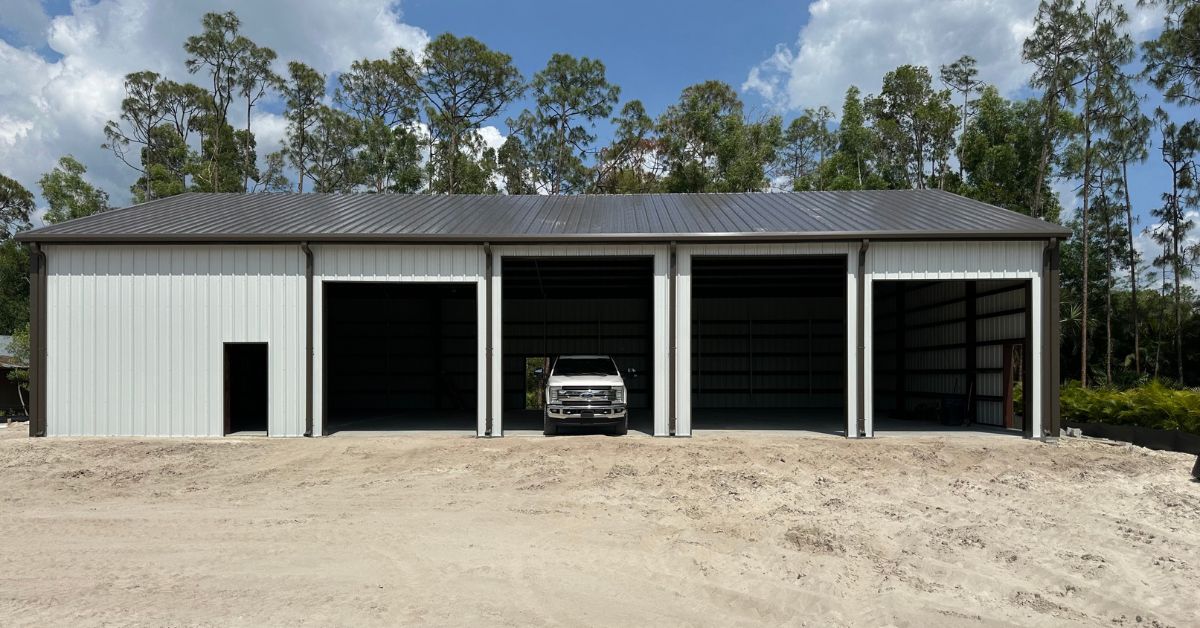
If you run an industrial facility, you know that the building you work out of is as much a part of your operations as the equipment inside. After all, you’re moving heavy machinery in and out, positioning it, maintaining it, and working around it every day in the structure you choose. Red iron buildings are excellent candidates for industrial operations, but there are considerations involved. Use the following tips to successfully manage heavy machinery in these structures.
How Red Iron Structures Affect Machinery Management
Red iron construction, which uses pre-engineered steel frames with wide-flange I-beams, gives industrial operators a set of advantages that most other building types can’t match. Understanding what those advantages are, and where you need to be careful, is the foundation for smarter machinery management.
The Structural Advantages That Work in Your Favor
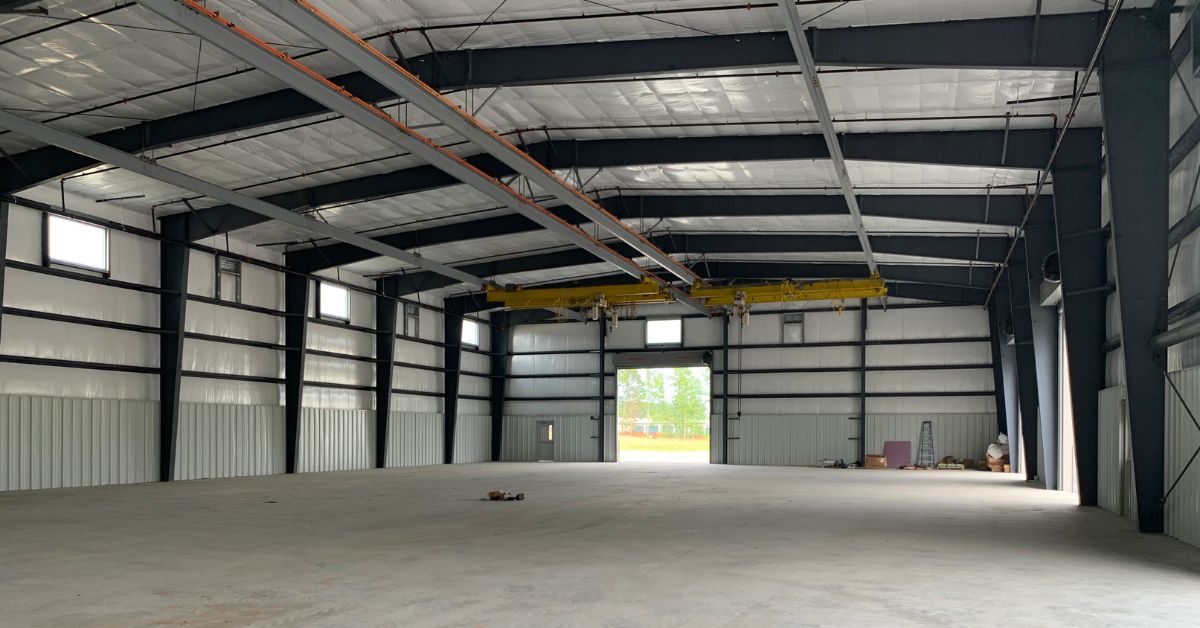
The most immediate benefit of a red iron building is clear-span interior space. Because the structural load is carried by the exterior frame, there are no interior columns breaking up your floor plan. For heavy machinery, that’s a major win. You can position equipment based on your workflow, not around obstacles. You can move large pieces without planning routes around posts. And you can reconfigure your layout as your operation grows or changes without retrofitting around a column grid.
Red iron buildings also handle point loads well. The steel frame distributes weight efficiently, which matters when you’re anchoring equipment to the floor or working with machinery that creates significant vibration or dynamic load. Compared to light-gauge metal buildings, red iron frames offer a much higher tolerance for that kind of stress.
Potential Concerns to Account For
Nothing in this world is perfect—not even red iron buildings. There are three main concerns to keep in mind as you plan your machinery management plan in one of these sturdy, purpose-built structures.
Roof Load and Attachment Points
Red iron roofs can support substantial loads. But if you’re planning to hang anything from the structure, whether that’s a chain hoist, a monorail, or lighting over a work zone, you need to engineer those attachment points correctly. Work with your building supplier to confirm rated capacities before you hang anything.
Thermal Expansion
Steel moves with temperature changes. In large facilities, this can be noticeable. Equipment mounted rigidly to the structure without accounting for that movement can experience alignment issues over time. Therefore, it’s worth factoring expansion joints and mounting flexibility into your setup.
Condensation
Condensation on structural members and equipment surfaces causes corrosion. So steel buildings in humid climates or with high interior moisture sources need proper vapor management. This includes effective insulation, ventilation design, and drainage planning.
Tips for Managing Equipment in Red Iron Buildings
Now that you’ve got a clear picture of the structural environment, here’s how to put it to work.
Plan Your Layout Before Equipment Arrives
The time to think about equipment placement is during the design phase, not after you pour the concrete. If you’re still in the planning stage, work with your building manufacturer to spec anchor bolt patterns, floor thicknesses, and utility rough-ins that match your machinery requirements.
If you’re moving into an existing structure, do a full layout plan before the first piece of equipment rolls in. Measure everything, mark positions on the floor, and confirm clearances for maintenance access, not just operation.
Anchor Equipment to Engineered Specifications
Heavy machinery needs to be anchored correctly. That means using anchor bolt designs rated for your specific equipment and floor conditions. For equipment that generates significant dynamic force, like compressors, presses, or CNC machines, consult the machine manufacturer’s foundation requirements and work with a structural engineer if needed. An improperly anchored machine can transfer stress into the foundation slab, possibly damaging your structure and the surrounding equipment.
Design Your Traffic Flow Around the Building’s Strengths
Because red iron buildings offer clear-span interiors, you have a lot of flexibility in how you design internal traffic patterns. Use that.
For one, plan dedicated lanes for forklifts and material handling equipment that don’t cross primary work zones. If you’re operating multiple large machines, position them so maintenance access doesn’t require moving other equipment. You should also think about how raw materials enter, how finished product exits, and where each machine sits in that sequence. A well-planned floor layout reduces equipment movement, which reduces wear and accident risk.
Match Your Ventilation System to Your Machinery
Different machinery produces different by-products, such as heat, exhaust, particulates, oil mist, and coolant vapor, to name a few. Your ventilation system needs to address what your specific equipment generates.
Red iron buildings give you good options for ridge vents, wall louvers, and powered exhaust systems, but those need to be positioned relative to your machinery layout. For example, exhaust from combustion equipment should have direct paths out of the building.
Use the Clear Span for Smart Storage Positioning
Heavy machinery management doesn’t stop at the machine itself. You also need to manage tooling, consumables, replacement parts, and raw materials.
Fortunately, the clear-span layout of a red iron building lets you dedicate zones to storage without fragmenting your work areas. Just position storage near the machines that use those materials, and use vertical storage where ceiling height allows.
Keep Structural Members Clear and Accessible
The steel frame of your red iron building requires periodic inspection. Build a routine inspection schedule into your facility maintenance program, and make sure your equipment layout doesn’t block access to the parts of the building you need to monitor.
Manage Electrical Infrastructure Proactively
Heavy machinery draws a lot of power, and in a large red iron facility, getting that power where it needs to go requires planning. If you’re setting up a new facility, work with your electrical engineer to size your service correctly for your current and projected machinery load. Run conduit to where machines will be positioned, not where it’s easiest to pull wire.
For equipment that’s sensitive to power quality, like precision machining centers or automated systems, consider dedicated circuits and power conditioning.
Get More Support From Arco
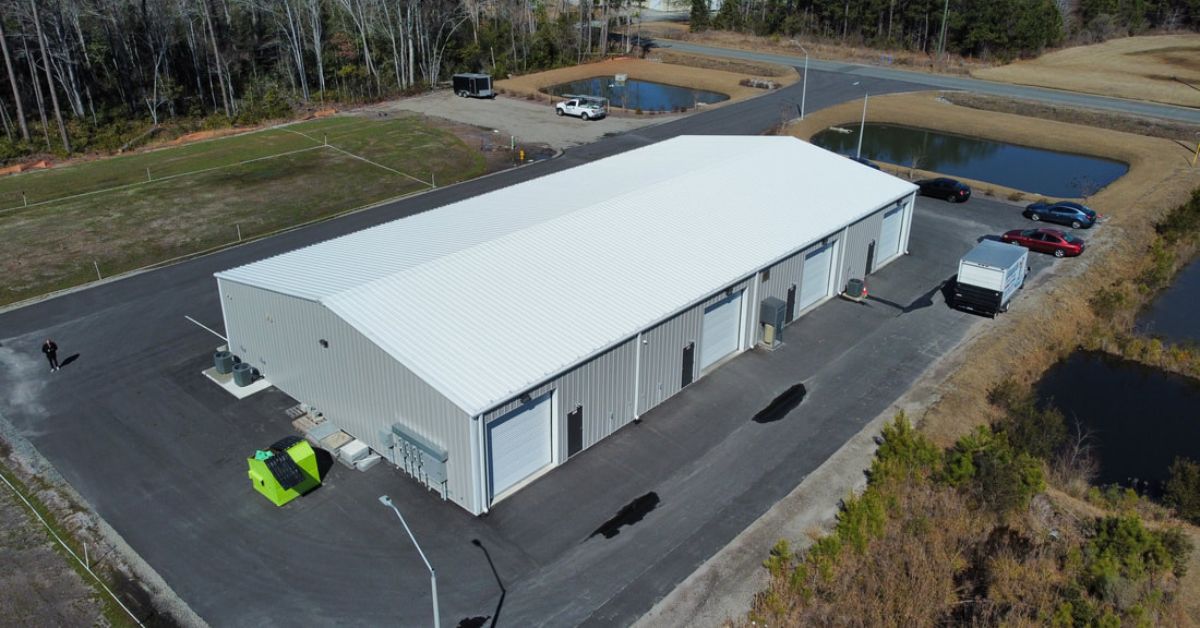
Managing heavy machinery in red iron buildings works best when the building is designed to support your operation from the start. At Arco Steel, we work with industrial operators to design and deliver pre-engineered industrial buildings built around your workflow, equipment loads, and site conditions. Our team understands what it takes to build facilities that hold up under real industrial use. If you’re planning a new facility or expanding an existing one, reach out to our team to start the conversation.