
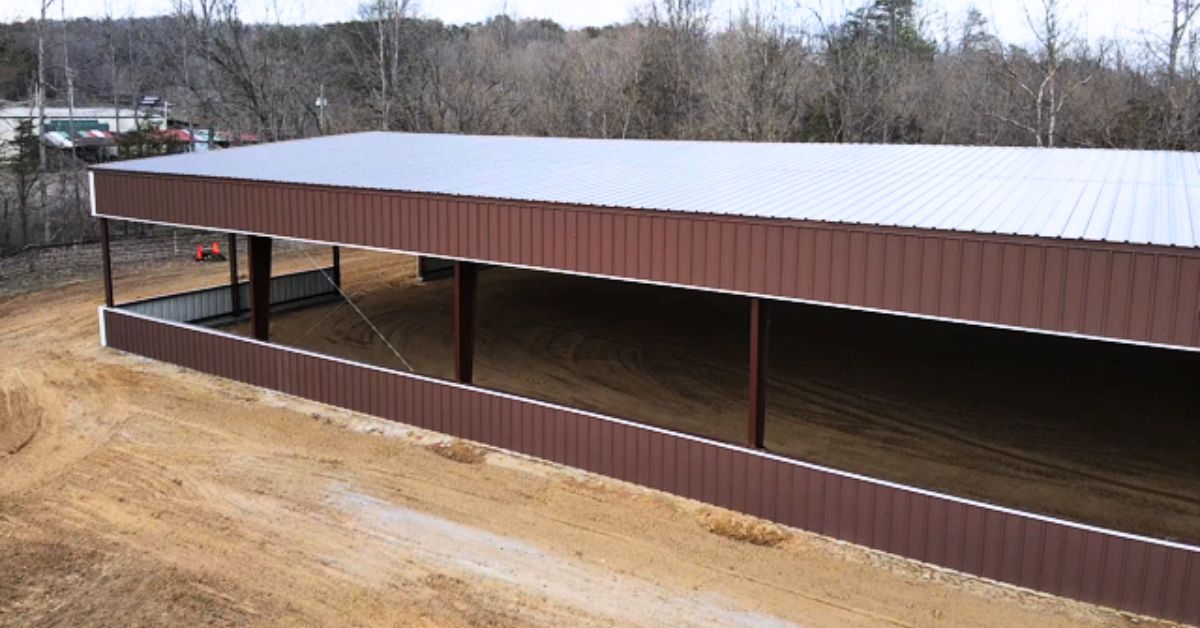
If you own rural property and are looking to put up a shed, barn, warehouse, or any other kind of large structure, you need to start with the right building material. And if you take a look around, you might notice something: Red iron buildings are everywhere. Your neighbors have them. The farm down the road just put one up. The ag supplier on the highway expanded with one last spring. There’s a reason for all of that, and it goes well beyond affordable construction.
Read on to learn why red iron buildings are gaining popularity in rural areas.
What Is Red Iron?
Red iron refers to structural steel that’s been primed with a red oxide coating. That coating protects the steel from rust.
But the red color isn’t the defining feature—the steel frame underneath is. Red iron frames use I-beams and rigid steel framing systems engineered to carry heavy loads across wide spans without interior load-bearing columns.
Why Red Iron Is Perfect for Rural Areas
So what exactly makes red iron structures better than, say, wood or concrete buildings? It comes down to durability, cost-efficiency, versatility, speed, and flexibility.
Wood Doesn’t Last Long in Rural Conditions
Wood construction has a long history in rural America, but it has some serious limitations. Namely, wood warps, rots, and is a veritable charcuterie board for a host of insects. Therefore, wood buildings require constant maintenance and repair to stay structurally sound in rural conditions.
Red iron steel doesn’t have those problems. It won’t warp from moisture or seasonal temperature swings. Termites and rodents can’t chew through it. And a properly installed steel building holds its structural integrity for decades with minimal upkeep. That reliability is a huge boon for rural property owners who don’t want to spend every spring repairing what winter damaged.
No Interior Columns Means No Wasted Working Space
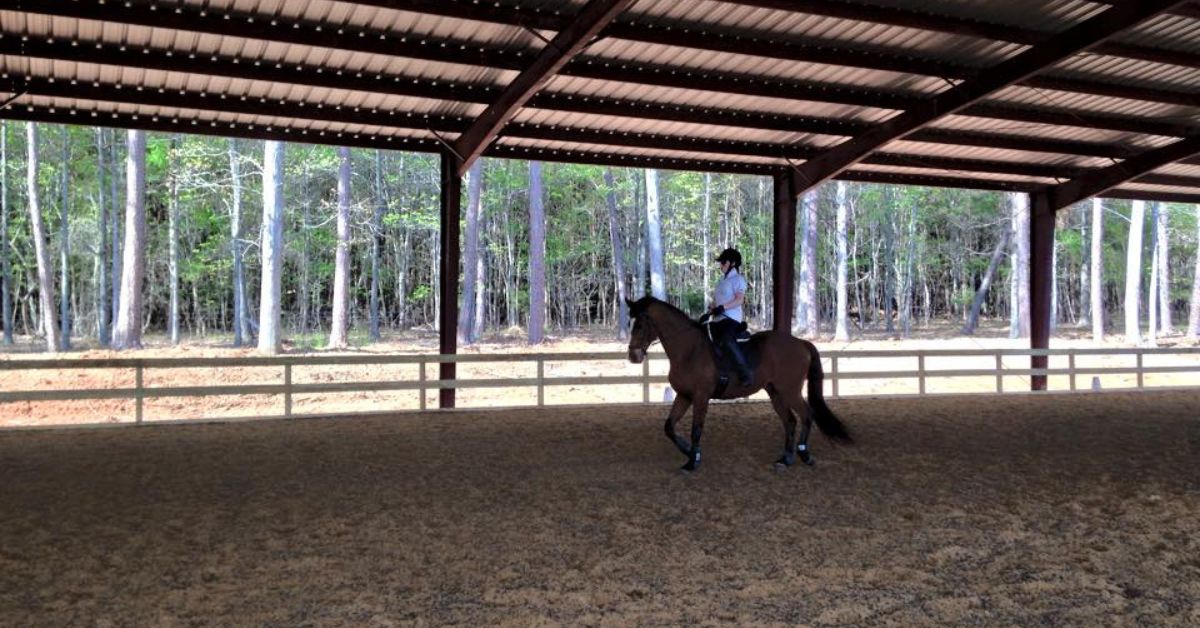
One of the most practical advantages of red iron construction for rural use is the clear-span interior. Traditional wood or concrete buildings often require interior columns or posts to support the roof. Those posts divide your floor plan and limit how you can use the space.
Conversely, red iron rigid frames can span 30, 60, sometimes 100 feet or more without a single interior column. Thanks to this, you can park large equipment without maneuvering around obstacles. You can set up a livestock operation with open floor space for pens and feed lanes. You can store bulk inventory or run a shop without conforming your layout to structural support requirements. In short, the floor plan is yours to do whatever you wish with, no exceptions.
Rural Weather Is Tough on Structures
Many rural properties don’t get the windbreak protection that suburban areas have. A barn sitting on an open field or a warehouse at the edge of a property line takes the full force of whatever weather rolls through. That means high winds, heavy snow loads, ice, and so forth.
Red iron buildings are engineered to handle those conditions. They won’t collapse after encountering a strong gust or bend under 2 feet of snow. If you want structural peace of mind despite the weather, red iron is the way to go.
Rural Builds Have Fewer Contractors Available, So Speed Matters
In rural areas, contractor availability is often limited, and scheduling conflicts can push construction timelines back by months for traditional builds. Red iron buildings, on the other hand, arrive on-site already manufactured and ready for erection.
With the right team, a red iron frame can go up in days, not months. That speed is always a cost advantage, and it’s especially beneficial for anyone needing a building operational before planting season, winter, or a business deadline.
Maintenance Costs Add Up Fast on a Working Rural Property
Steel gets a reputation for being expensive, but that reputation doesn’t hold up when you look at total cost over time. Yes, the upfront price per square foot on a red iron building can be comparable to or slightly higher than basic wood framing. But red iron buildings require far less upkeep.
You won’t have to replace rotting boards, repaint and reseal every year, or deal with structural repairs from water intrusion. And on a rural property where you’re already managing land, equipment, and seasonal demands, every maintenance obligation you can eliminate matters. When you add it all up across 10 or 20 years, steel consistently comes out ahead of wood on total cost of ownership.
A Steel Building Can Be Designed Around Farm and Agricultural Equipment
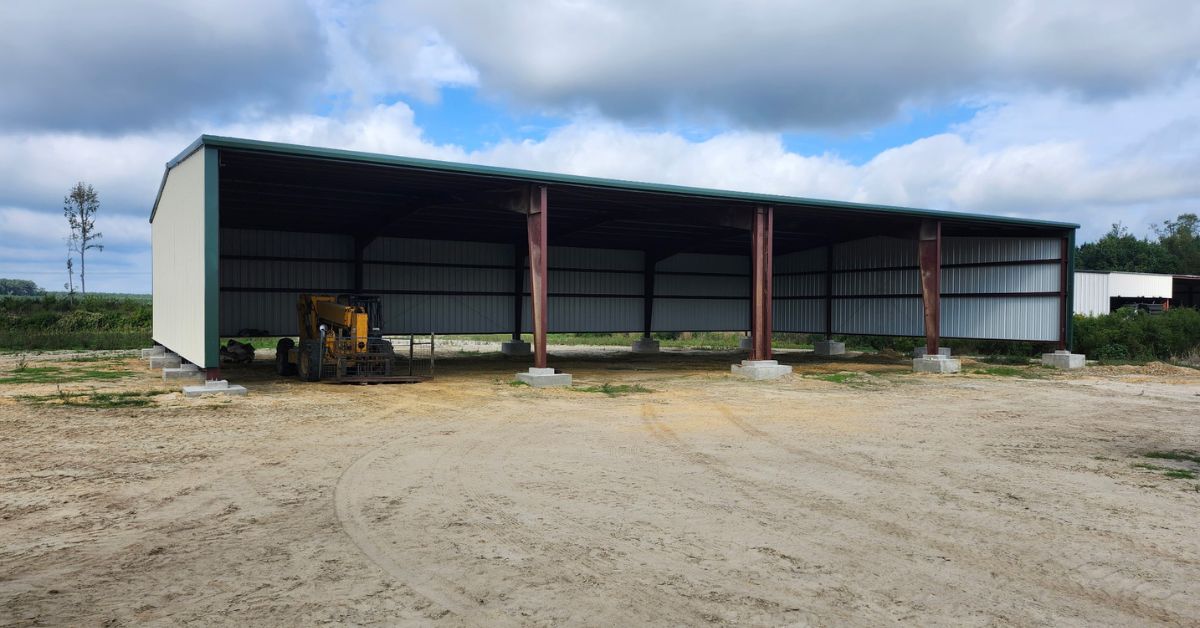
There’s an outdated image of metal buildings as plain, industrial-looking boxes with standard door sizes and fixed layouts. That picture hasn’t matched the product for a long time. Today’s red iron buildings come with a wide range of configurations built to accommodate the specific demands of agricultural and rural use.
For example, you can spec in oversized doors wide enough to clear a combine or a hay baler. You can choose your wall height based on the vertical clearance your equipment needs. Moreover, you can customize panel colors, roof styles, and window placements to make your building fit the look of your property. All in all, the structure adapts to what you’re running on your land, not the other way around.
What To Sort Out Before Ordering Your Red Iron Building
If you’re ready to move forward with a red iron building, just make sure you figure out these few things before proceeding:
- Local zoning and building permits: Rural doesn’t mean unregulated.
- Site conditions: You’ll need a level foundation, and the type of foundation you use depends on your soil, your building size, and your intended use.
- Utility needs: Running electrical, water, or HVAC into the building is much easier to plan before the structure goes up than after.
- Your supplier: The supplier you work with determines the quality of your red iron building and the level of support you receive throughout the design, delivery, and erection process.
Put Your Property to Work With the Right Structure
Red iron buildings are gaining popularity in rural areas because they deliver where it counts: longevity, practicality, and smart economics. If you’re planning a build, the next step is finding the right supplier and getting your design dialed in. At Arco, we are one of the nation’s leading suppliers of red iron metal building kits, with over 45 years of experience and an extensive record of satisfied customers. Get in touch today to understand your options, compare configurations, and get your project moving in the right direction with expert support every step of the way.