Why Steel Is Better Than Concrete for Commercial Buildings

Why Steel Is Better Than Concrete for Commercial Buildings
Why Steel Is Better Than Concrete for Commercial Buildings

Every business owner faces a critical decision when expanding operations or breaking ground on a new venture: selecting the right material for the structure itself. The building you choose becomes the physical heart of your organization. It impacts your overhead, your workflow, and your brand image.

While concrete has held a place in commercial construction for decades, modern business demands a certain speed, flexibility, and ROI that concrete can struggle to deliver. Enter steel.

We aren’t talking about flimsy sheds here; we are talking about robust, pre-engineered red-iron steel framing that outclasses concrete in almost every metric that matters to a CFO. Let’s look at why steel is better than concrete for your next commercial building project.

Steel Buildings Are Faster To Build

In the commercial sector, an unfinished building is a massive liability. You cannot generate revenue from a retail shop, auto dealership, or manufacturing plant that doesn’t exist yet.

That’s why concrete can be a problem: It’s notoriously slow to construct. It relies heavily on favorable weather conditions, extensive curing times, complex formwork, and large crews for pouring and finishing.

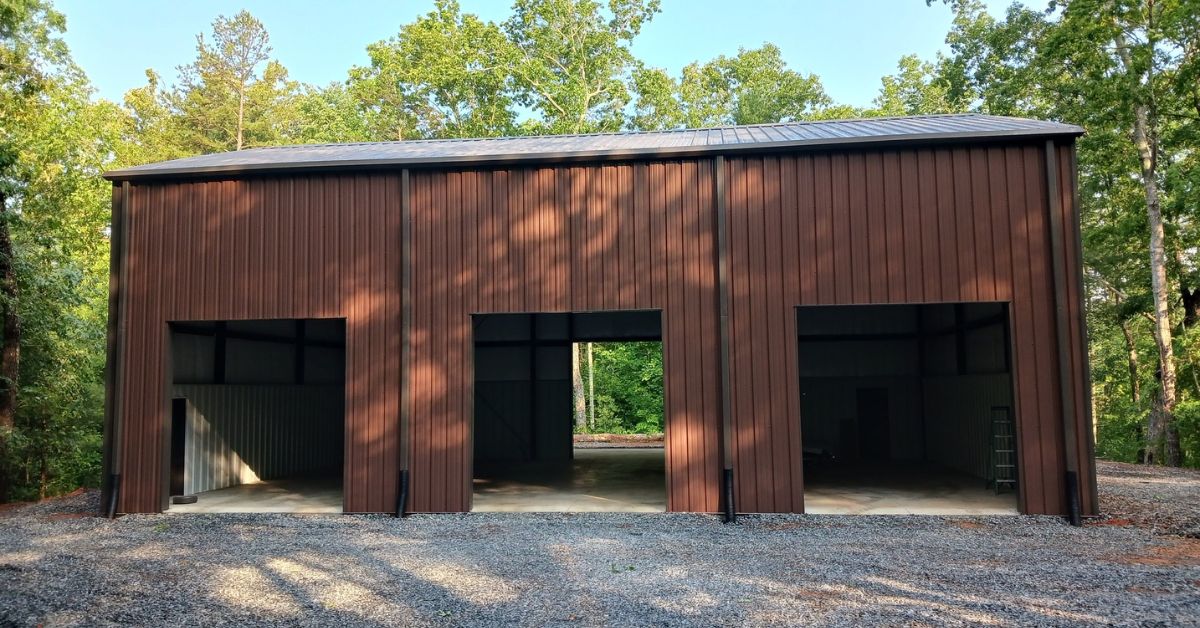
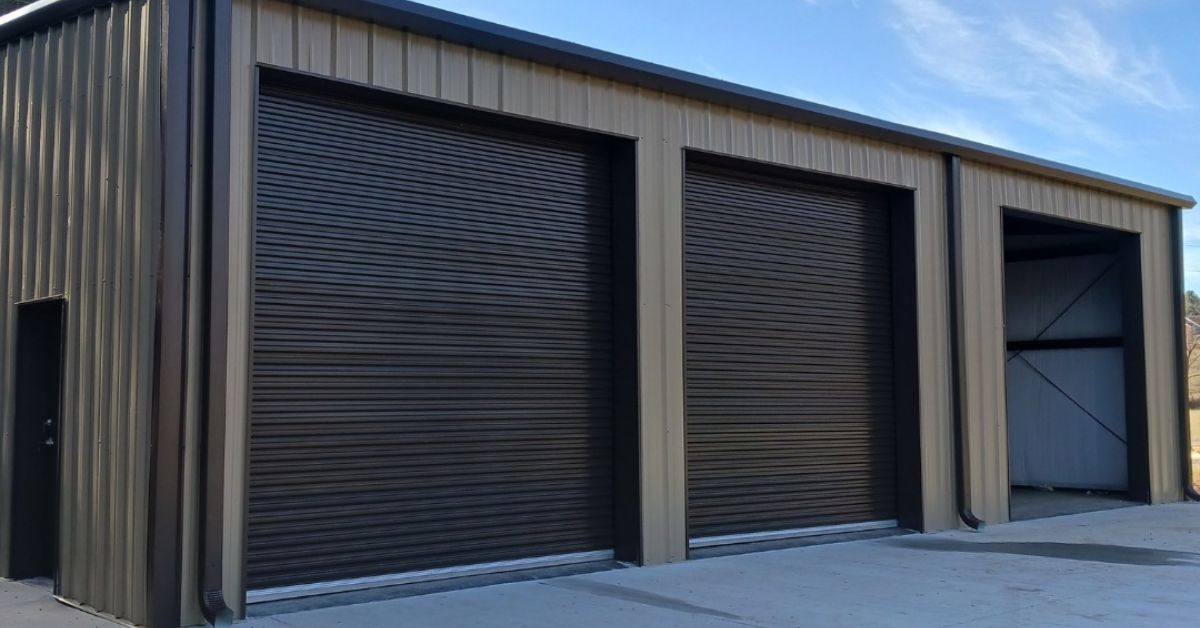
Steel flips the script on construction timelines. Because manufacturers pre-engineer and fabricate commercial metal building kits off-site, the components arrive at your location ready for assembly. Your erection crew receives a kit where every I-beam, purlin, and girt is cut, drilled, and welded to precise specifications. This pre-fabrication eliminates the need for measuring and cutting on the jobsite. Consequently, you save money on labor costs, reduce construction waste, minimize site disruption, and open your doors for business months sooner than you would with a concrete build.

Steel Structures Are Cheaper To Build

Many investors overlook what happens below the ground. Because concrete structures are incredibly heavy, they require massive, expensive foundations to prevent settling. Therefore, the engineering required to support a tilt-up concrete wall is substantial and costly.

Steel buildings exert less dead load on the foundation. Consequently, you can utilize smaller footings and lighter slabs. This difference saves you money on concrete, excavation, and soil remediation before vertical construction even begins. When you aggregate the savings from the foundation, the reduced labor hours, and the lower material costs, steel buildings save up to 30 percent in construction costs compared to traditional methods.
Why Steel Is Better Than Concrete for Commercial Buildings

Steel Offers More Flexibility Without Sacrificing Integrity

Concrete is strong, but it is also exceptionally heavy and rigid. To support its own weight, concrete construction usually requires massive internal columns or load-bearing walls that interrupt your floor plan. This limits how you can utilize your interior space.

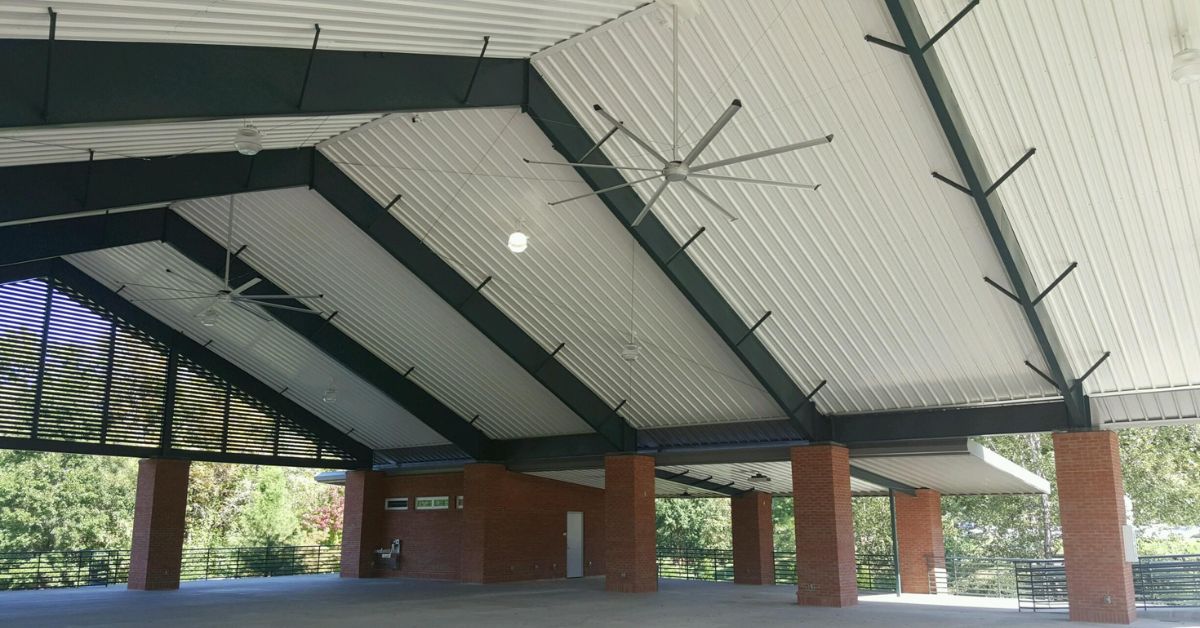
Conversely, steel possesses the highest strength-to-weight ratio of any common building material. This physical property allows for clear-span capabilities. What this means is you can erect a facility that spans 100 feet or more without a single internal column obstructing your operations.

The Clear-Span Advantage

This clear-span design is crucial for diverse commercial applications. You might need an open showroom for an auto dealership, a flexible layout for a retail strip mall, high ceilings for a recreation facility, or unobstructed floor space for a warehouse. Steel provides the open canvas you need to design a layout that optimizes workflow.

Moreover, business needs change. If you need to expand a concrete building later, you face an expensive and messy demolition process. Steel buildings allow for easy expansion. You can simply remove an end wall and bolt on additional framing bays to grow your facility alongside your company.

Steel Tends To Be More Durable

Concrete is perceived as permanent, yet it suffers from specific, persistent vulnerabilities. Namely, it cracks over time as the ground shifts, and then it spalls when moisture gets into those cracks and freezes. It is also porous, making it susceptible to mold and mildew in damp climates.

Steel offers resilience that concrete cannot match. Pre-engineered metal buildings tend to use red-iron steel, which is resistant to the issues that plague other materials.

Commercial steel buildings resist fire, termites, rot, and mold. This resistance translates to lower insurance premiums and drastically reduced maintenance budgets. You won’t spend your weekends worrying about structural cracks or pest infestations. Additionally, these structures are engineered to withstand harsh weather conditions, including heavy snow loads, hurricane-force winds, intense heat, and torrential rain.

Steel Is the More Sustainable Choice

Did you know that steel is the most recycled material on the planet? It’s true. The beams in your new office building likely contain recycled metal, and at the end of the building’s long lifespan, that steel is 100 percent recyclable again. Concrete, conversely, is energy-intensive to produce and difficult to recycle.

Furthermore, steel buildings integrate easily with modern insulation systems. By using deep wall cavities for high R-value insulation, you minimize thermal bridging and keep your HVAC costs low. You create a comfortable environment for your employees and customers while keeping your utility bills in check.

Steel Can Look Very Nice

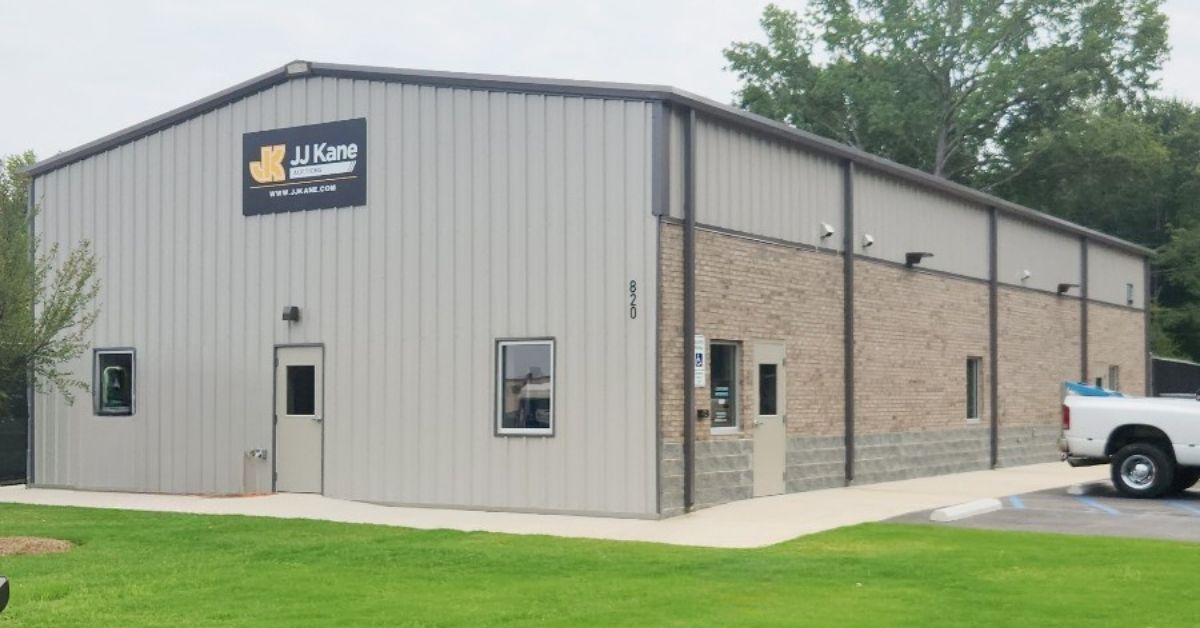
A common misconception is that choosing steel means settling for a boxy, industrial look. That might have been true fifty years ago, but today’s commercial metal buildings are fully customizable.

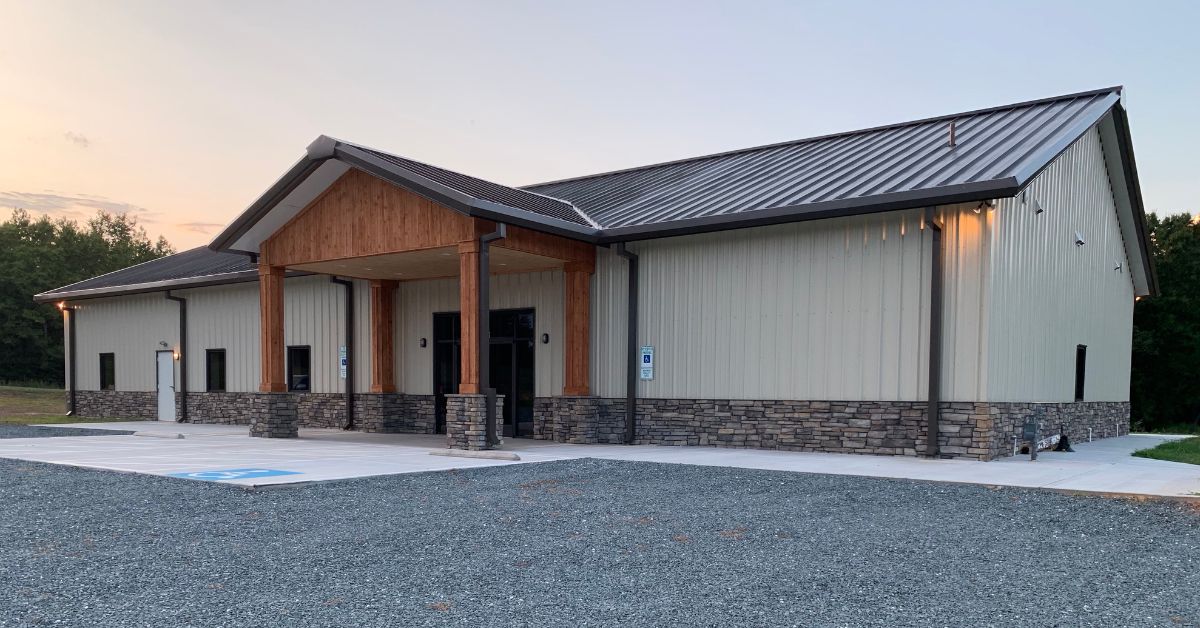
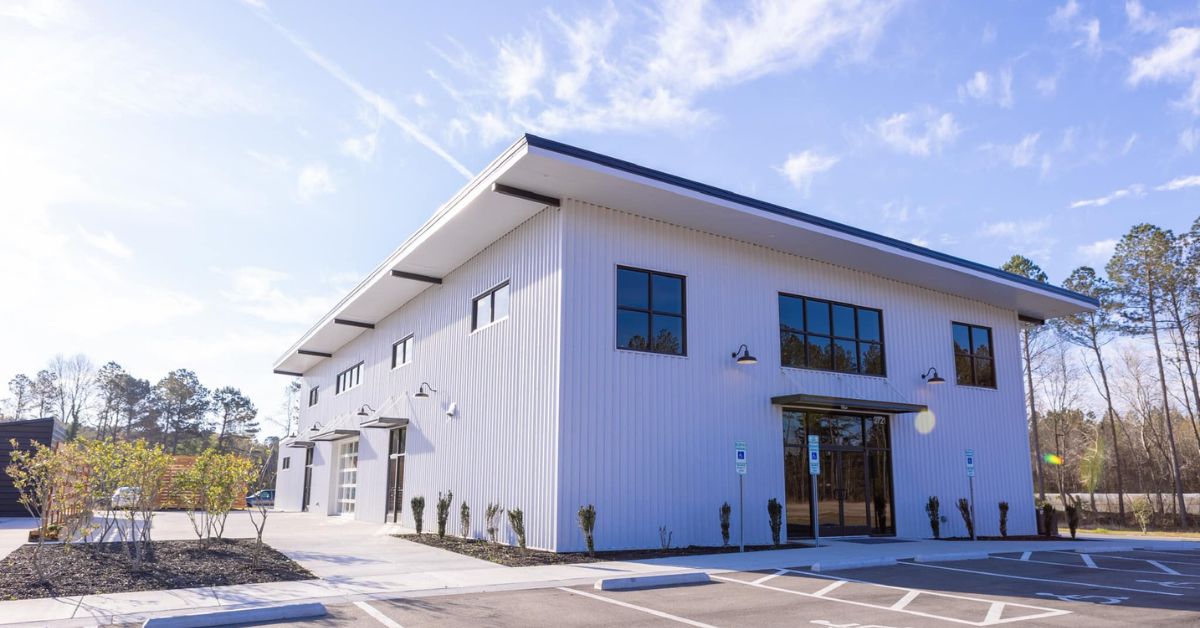
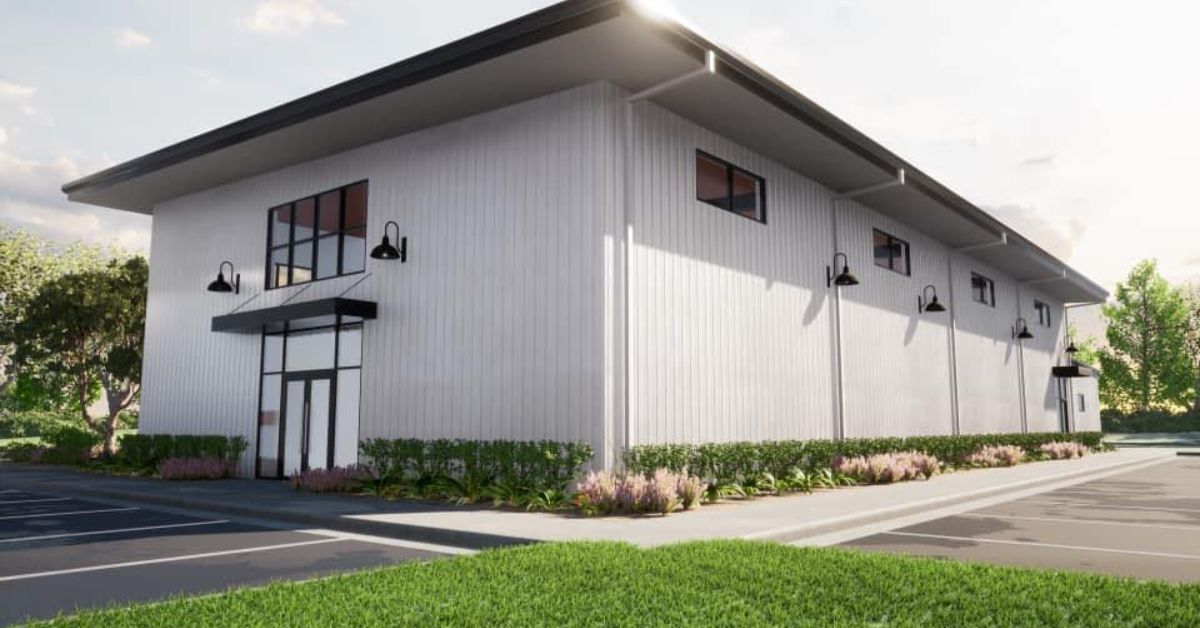
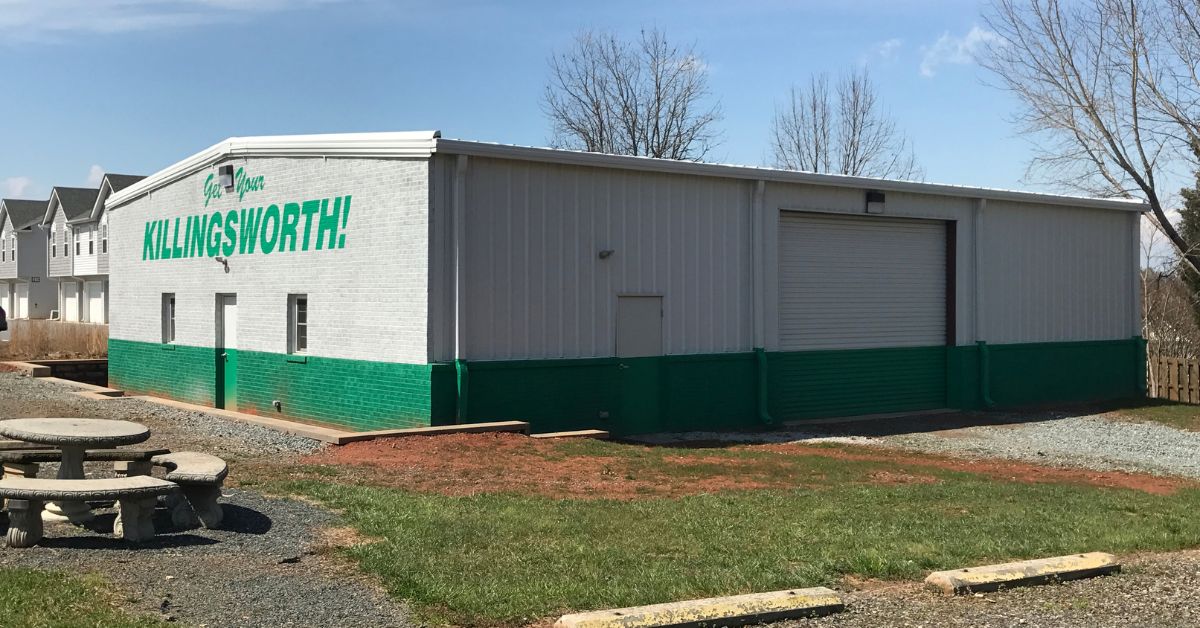
You can finish the exterior of a steel frame with almost any material you desire. Choose from glass facades, brick or stone veneers, stucco, architectural metal panels, and more. Essentially, you can get the structural benefits of steel with an exterior that matches your brand’s aesthetic perfectly.
Why Steel Is Better Than Concrete for Commercial Buildings

Why Partner With Arco Building Systems?

It’s clear that steel is better than concrete for commercial buildings, but selecting the material is just step one. Selecting your industry partner is step two. Since 1979, Arco Building Systems has been a leader in the industry. We are family-owned and have grown to become the 5th largest builder in the United States by focusing on one thing: the customer experience.

Single Point of Contact

We don’t bounce you around a call center. You will work with one sales rep and one customer service representative from the planning stage through to final execution. This specialist knows your project inside and out, coordinates with the manufacturer, and guarantees you get the exact building you ordered.

Experience That Matters

With over 45 years in business and a staff boasting over 150 years of combined industry experience, we know how to navigate the complexities of commercial construction. We provide easy-to-understand quotes, reliable scheduling, and referrals to insured steel erectors in your area.

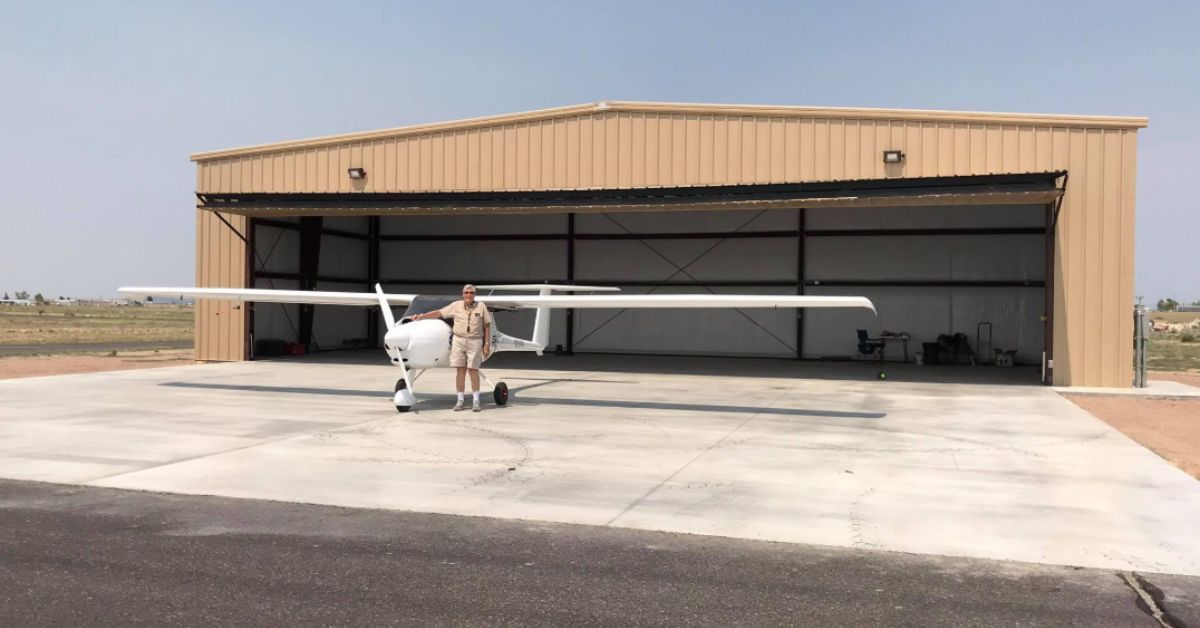
Whether you need a mini storage facility, an aircraft hangar, or a retail complex, we have the expertise to deliver an excellent product.

Take the Next Step for Your Business

Your building should be an asset, not a burden. By choosing steel, you opt for a structure that is cost-effective, rapidly deployable, durable, and flexible enough to grow with you. Don’t let your capital get stuck in a slow concrete pour.

Contact Arco Building Systems today to discuss your project!
8 Advantages of Steel Buildings for Classic Car Storage

8 Advantages of Steel Buildings for Classic Car Storage

8 Advantages of Steel Buildings for Classic Car Storage

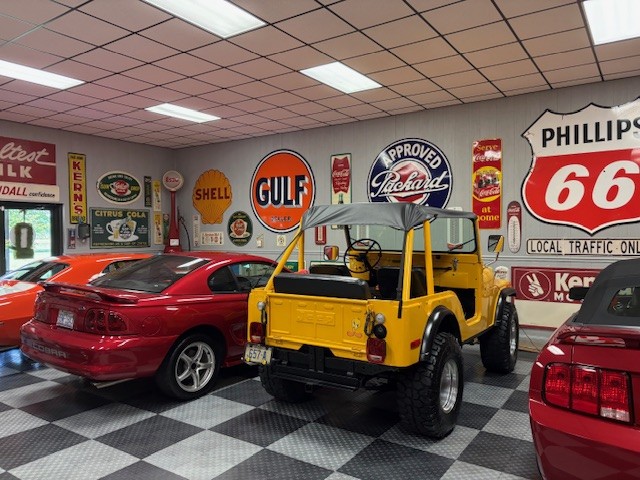
You spent years hunting for that matching-numbers chassis. You poured countless weekends into bodywork, engine tuning, and finding the perfect OEM trim pieces. Your classic car isn’t just a vehicle; it is a piece of history and a significant financial investment. Leaving such a prize exposed to the elements or parked in a damp, rotting wooden shed is simply not an option.

Serious collectors understand that preservation requires a controlled, secure, and durable environment. A standard garage might suffice for a daily driver, but a vintage machine demands better protection against moisture, pests, temperature fluctuations, and other environmental factors.

This is where steel buildings come in. They provide a level of security and longevity that wood or nonspecialized structures fail to match. Let’s look at the main advantages of steel buildings for classic car storage.

1. Superior Structural Integrity

Wood warps, cracks, and rots over time. Moisture wicks into the grain, compromising the structural integrity of the building and threatening the contents inside.

Steel stands strong against these common threats. A pre-engineered metal building can maintain its shape and strength decades after assembly. High winds, heavy snow loads, torrential rain, and hail bounce off a steel structure that would flatten a lesser building.

Moreover, metal buildings provide rigid framing that stays straight and true. This rigidity keeps doors sealing tightly and windows aligned, preventing leaks that could introduce moisture to your pristine interior.

Your classic car needs a fortress, not a temporary shelter. Steel provides that.

2. Maximum Fire Resistance

Garages contain flammable hazards. You likely store gasoline, motor oil, brake fluid, and solvent-soaked rags near your vehicle. A single spark from a grinder or a welder can ignite a wooden frame in seconds. Wood acts as fuel, accelerating the spread of a fire and leaving you with little time to save your collection.

Steel does not burn. It has a high melting point and limits the spread of flames. This non-combustibility gives you peace of mind when you are grinding a bracket or welding a new exhaust hanger.

Insurance companies recognize this benefit as well. Consequently, premiums for steel structures are typically lower because the risk of total loss from fire drops substantially.

8 Advantages of Steel Buildings for Classic Car Storage

3. The Ultimate Pest Barrier

Rodents are the nightmare of every classic car owner. Mice seek out warm, fibrous materials for nesting, so they view your vintage leather seats, wool headliners, carpet padding, and wiring harnesses as prime real estate. A wooden shed offers these pests plenty of entry points as boards loosen or rot creates gaps near the foundation.

Steel removes the welcome mat for rodents. Well-installed metal panels seal tightly against the foundation and each other, leaving no gaps for critters to squeeze through.

Termites, carpenter ants, and wood-boring beetles also pose zero threat to a steel frame because these critters can’t lunch on metal. Overall, turning to steel means you won’t have to worry about structural damage from insects or waking up to find a mouse nest inside your air cleaner.

4. Clear Span Design for Maneuverability

Many types of buildings that people turn into garages aren’t all that easy to maneuver in. For example, wooden pole barns require internal support columns to hold up the roof. These posts are obstacles. They limit how you park, obstruct your ability to open doors fully, and create hazards when moving vehicles around. Likewise, regular home garages that you repurpose for classic car storage pose a similar problem: limited space. That can make turning, lifting, and walking around the vehicle a struggle.

Steel buildings utilize a clear span design. The strength of the steel beams allows for wide-open interiors without interior columns. You gain 100 percent usable space. This layout allows you to park multiple vehicles, open doors wide for detailing, position hydraulic lifts exactly where you need them, and maneuver floor jacks without bumping into a support post.

5. Humidity and Moisture Control

Rust never sleeps. It attacks bare metal, bubbles under paint, and seizes bolts. Controlling humidity is the only way to stop oxidation, but wooden structures are naturally porous and retain moisture. This creates a damp environment that encourages surface rust and mold growth on interiors.

Metal buildings, if they are high quality and well installed, seal out moisture effectively. Furthermore, you can insulate steel structures to create a climate-controlled environment.

6. Low Maintenance Requirements

You want to spend your Saturday tuning carburetors, not painting the side of your garage or replacing rotten siding. Wooden buildings demand this constant upkeep. You must stain, seal, and repair them regularly to prevent deterioration. Neglecting this maintenance leads to leaks and structural failure.

On the other hand, steel buildings require almost zero maintenance. The factory-applied paint finishes resist fading, chipping, peeling, and chalking for decades. A simple wash with a garden hose once a year keeps the exterior looking pretty good. This durability frees up your time and budget, allowing you to focus your resources on your restoration projects rather than building repairs.

8 Advantages of Steel Buildings for Classic Car Storage

7. Customizable Workshop Space

Every mechanic has a different workflow. You might need specific areas for welding, painting, assembly, and parts storage. Steel buildings offer incredible flexibility during the design phase. You can configure the dimensions to fit your specific lot and requirements perfectly. Here are just a few ideas:

  • Add extra height to accommodate a two-post lift.
  • Include skylights for better natural lighting.
  • Reinforce areas for heavy machinery.
  • Add a separate partitioned room for a paint booth.
  • Install large roll-up doors for easy access.

Steel kits are modular, allowing you to build the dream shop you have always wanted.

8. Rapid Construction Timeline

Building a traditional wooden garage takes months. You have to wait for framing, roofing, and finishing crews. Meanwhile, your car sits outside or in a rented storage unit, costing you monthly fees. Weather delays can push the completion date back even further.

Steel building kits arrive at your site with pre-punched and pre-drilled components, so the assembly process is straightforward and fast. A small crew can erect a standard auto shop in a matter of days or weeks. This efficiency gets your car under a roof faster. Whether you hire a contractor or take it on as a DIY project, the streamlined assembly saves money on labor costs.

Build Your Dream Shop With Arco

Your classic car deserves a home that reflects the quality of the machine itself. A steel building offers many advantages for storage and can keep your investment safe for the next generation.

Arco Building Systems understands the needs of car enthusiasts. With over 45 years of business operation and 150 years of combined team experience, we can set you up with a high-quality, prefabricated steel car shop building. Our customer service representatives guide you through every step, helping you choose from various sizes, colors, accessories, and insulation packages. Moreover, you can choose to erect the kit yourself or let us connect you with qualified independent contractors.

Stop leaving your prized possession vulnerable to the elements. Contact Arco Building Systems today to request a free quote and start building the ultimate sanctuary for your classic cars.

The Benefits of a Covered Metal Horse Riding Arena

The Benefits of a Covered Metal Horse Riding Arena

The Benefits of a Covered Metal Horse Riding Arena

You glance out the window at your paddocks, coffee in hand, ready to start your morning training session. But then dark clouds roll in, the wind picks up, and the skies open. Your plans for schooling that young thoroughbred or teaching your afternoon lesson block just washed away with the rain.

A covered metal riding arena solves this age-old problem. While building an indoor structure is an investment, the returns regarding riding time, horse health, and business stability are undeniable. Truly, it changes the way you manage your property. Let’s explore the benefits of a covered metal horse riding arena and why building one could be one of the best decisions you will ever make.

Constant Weather Protection

Riders are generally tough, but riding in a freezing downpour or a scorching heatwave is miserable for both the person and the horse. A covered arena provides a sanctuary against the elements. You can continue your work regardless of rain, heavy snow, hail, or blistering sunshine. This protection allows you to maintain fitness schedules, prep for upcoming shows, keep clients happy, and utilize your property year-round. Essentially, you regain control over how and when you use your arena, regardless of whatever the weather decides to do.

More Control Over Ground Conditions

Nothing ruins a horse’s suspension or confidence faster than bad footing, and this is a common problem in outdoor rings. Environmental changes can make the arena’s ground inconsistent and straight-up bad. Horses and riders might regularly need to deal with deep mud, frozen ruts, slippery grass, and dusty hardpack.

A covered arena allows you to control the ground conditions more. You can install premium footing like sand, fiber mixtures, rubber, or wood chips without worrying about them washing away. As a result, horses are much less likely to fall victim to stone bruises, tendon strains, abscesses, and slips. Your farrier and vet bills will likely decrease because your horses are working on a reliable, shock-absorbing surface every single day.

The Benefits of a Covered Metal Horse Riding Arena

Revenue Stability

If you run a boarding facility or a lesson program, an outdoor ring limits your income potential. Canceled lessons due to weather translate directly to lost revenue. What’s worse, clients may look for other barns with indoor facilities if they become frustrated with constant rescheduling.

A covered structure guarantees your business stays open. You can host clinics, pony club meetings, local shows, and training symposiums regardless of the forecast. Furthermore, boarders are typically willing to pay a premium for facility use that includes an indoor arena.

Essentially, putting a sturdy roof over your arena ensures the structure becomes a revenue-generating asset that pays for itself over time. You’ll also gain a professional edge that competitors with only outdoor rings cannot match.

Lower Risk of Spooking Horses

The last thing you want is for a horse to get spooked while carrying a rider. Unfortunately, exposed arenas are “spooky” environments. A plastic bag blowing across the arena or a sudden gust shaking the trees can turn a calm schooling session into a rodeo. On a milder level, outdoor environments are full of visual and auditory distractions that can break a horse’s concentration.

Covered structures are the overall better choice for creating the safest, calmest conditions. Enclosed or covered metal arenas dampen the noise of the wind and block a lot of visual chaos. When you create this relatively focused, calm atmosphere, the horse can listen to your aids. Young horses, specifically, benefit immensely from this controlled setting. You can introduce new concepts, work on desensitization, practice jump grids, and refine dressage movements without external chaos.

Versatility for Different Uses

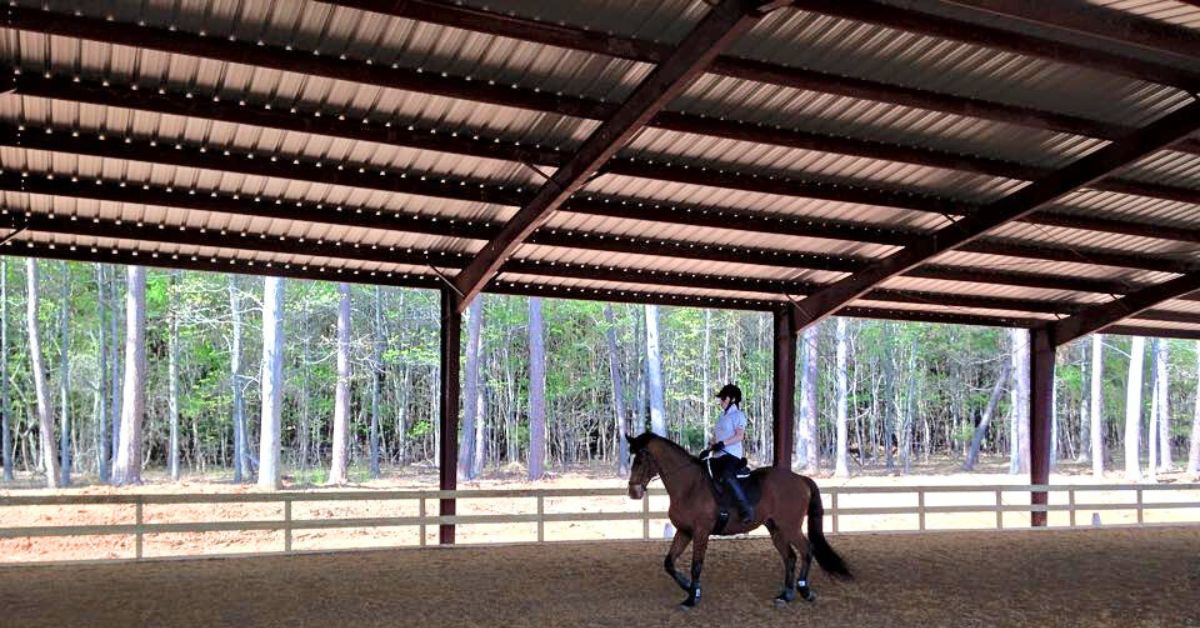
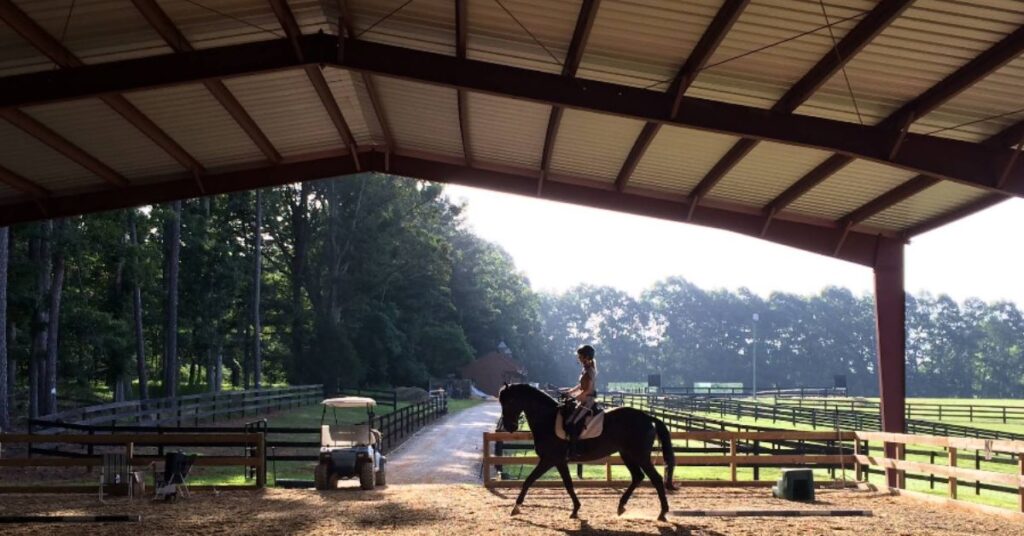
A clear-span metal building offers more than just a place to ride. It provides a massive, open space free of interior columns. This design allows you to set up full jump courses, intricate trail obstacles, barrel racing patterns, or dressage letters without obstruction.

Moreover, you can use the space for temporary hay storage, parking tractors, sheltering jumps, or keeping large machinery out of the rain during the off-season. In fact, the structure can even serve as a dry turnout area. If the pastures are icy or dangerously muddy, you can turn horses loose in the arena to stretch their legs safely.

Again, a roof makes your arena usable for whatever you need, whenever you need it. This versatility and flexibility are things that an uncovered riding space simply cannot provide.

The Benefits of a Covered Metal Horse Riding Arena

Longevity and Low Maintenance

By now, the benefits of a covered horse riding arena should be clear, but why go with a metal one specifically? Well, even though wood barns and pole structures are traditional, they come with so many headaches. Wood rots, warps, attracts termites, and creates fire hazards. You eventually spend your weekends painting, replacing boards, or treating the wood for pests.

Steel buildings are superior in terms of durability. They are resistant to fire, mold, termites, and rot. A pre-engineered steel structure stands up to heavy snow loads and high winds that might compromise a wooden pole barn. And once erected, a steel arena requires virtually no maintenance. You spend your time riding your horse rather than fixing your building.

Increased Property Value and Appeal

Real estate in the equestrian world is competitive. If you ever plan to sell, then you should know that buyers look for turnkey properties that are ready for immediate use. A high-quality, covered metal arena is a massive selling point that increases the overall value of your farm.

It signals to buyers that the property is professional and well-maintained. Even if a potential buyer does not ride, they see the value in a large, durable, covered structure for storage or workshops. It makes your property a standout listing in a sea of standard farms.

Build Your Arena With Arco

You invest time, money, and heart into your horses. They deserve a safe place to work, and you deserve a facility that supports your passion regardless of the weather. A covered arena offers protection, consistency, safety, and financial growth for your business. It transforms a fair-weather hobby into a professional, year-round pursuit.

When you are ready to upgrade your farm, you need a partner who understands agricultural needs. Arco Building Systems is a family-owned company with over 45 years of experience helping farm owners just like you. We provide durable, cost-effective farmstead buildings, including livestock barns, horse barns, riding arenas, and equipment storage buildings.

Contact Arco Steel today to request a quote and start designing the riding arena of your dreams.

What To Know About Zoning Laws for Self-Storage Businesses

What To Know About Zoning Laws for Self-Storage Businesses

What To Know About Zoning Laws for Self-Storage Businesses

So you’ve decided to enter the self-storage arena. It’s a profitable industry that tends to offer stability regardless of the economic climate. But before you can break ground on your new venture, you need to navigate the world of zoning and permitting. It might seem like a maze of regulations, but with the right information, you can clear this hurdle and get your business off the ground.

This guide will walk you through the essentials of zoning laws for self-storage businesses. We’ll discuss what zoning is, the different types of usage permits you might encounter, and how to get your project approved. While these laws vary by location, the core principles remain the same. Let’s dive right in!

Zoning 101 for Self-Storage

First things first, what exactly are zoning laws? Essentially, local governments use these regulations to control how land is used. They divide areas into different zones, each with its own set of rules for development. This process keeps a city organized, separating industrial factories from quiet residential neighborhoods, for example.

These are the most common zoning categories you’ll encounter:

  • Residential: Reserved for homes, apartments, and other living spaces.
  • Commercial: Designated for businesses like retail stores, offices, and restaurants.
  • Industrial: Intended for manufacturing, warehouses, and other heavy-duty operations.
  • Agricultural: Set aside for farms and other agricultural activities.
  • Recreational: Used for parks, public spaces, and community facilities.

Where do self-storage businesses fit in? Historically, they were relegated to industrial zones. However, as demand for convenient storage solutions grew, developers began pushing for locations closer to where people live and work. This shift has made the zoning process for self-storage more complex. Today, a self-storage facility might not fit neatly into any single category, which brings us to the types of usage permits.

What To Know About Zoning Laws for Self-Storage Businesses

Permitted Use vs. Conditional Use

When you find a piece of land, its zoning will dictate how you can develop it. There are two main types of usage designations you’ll need to understand: permitted use and conditional use.

What Is Permitted Use?

Permitted use, or “by-right” use, is the most straightforward path. It means your proposed self-storage facility aligns with the existing zoning for that land. You will not have to go through a lengthy public approval process with hearings and applications. Instead, as long as your project meets all the local development standards—like landscaping requirements, building height, and setbacks—you can move directly to applying for building permits. This route saves you time and reduces the influence of local politics on your project.

What Is Conditional Use?

More often, you will find that self-storage falls under a conditional use permit (CUP). This designation means that while a self-storage facility might be acceptable in that zone, the local government wants to review it on a case-by-case basis. They want to ensure your project benefits the community and mitigates any negative impacts.

The conditional use process is more involved. It usually requires the following:

  • submitting a detailed application and design drawings
  • attending neighborhood meetings to hear concerns from residents and other business owners
  • presenting your case at a formal public hearing before a planning commission or city council
  • addressing potential issues like increased traffic, property values, and security

This process can be time-consuming and politically charged. Your success will depend on your ability to build a strong case and win over local officials and the community.

What To Know About Zoning Laws for Self-Storage Businesses

Navigating the Approval Process

Whether you’re seeking a conditional use permit or need to rezone a property entirely, the path to approval requires careful planning and preparation. Here’s a step-by-step look at what you can expect.

1. Contact Your Local Municipality

Your first action should be to connect with your local planning or zoning department. They can provide the necessary applications, explain the local rules, and outline the specific challenges you might face. This initial meeting will help you understand the landscape and shape your site plan.

2. Assemble Your Professional Team

You don’t want to go through this process alone. Building a team of experienced professionals is crucial. Your team should ideally include a land-use attorney, a civil engineer, an architect, and a land planner, all of whom have experience with self-storage projects. Their expertise will be invaluable in navigating the political and logistical hurdles.

3. Hold Neighborhood Meetings

Before the formal hearing, it’s wise to engage with the local community. Host a neighborhood meeting to present your plans and listen to their concerns. Common worries include increased traffic, potential for crime, and negative effects on property values. Come prepared with facts and data to address these points professionally. For instance, you can present traffic studies and security plans to put their minds at ease. This meeting acts as a rehearsal for the formal hearing and shows you’re a considerate developer.

4. Prepare for the Formal Hearing

This is your final presentation. You’ll stand before the planning commission or city council to make your case. Your presentation should include a detailed development plan that addresses all potential concerns. Be ready to answer questions about everything from your hours of operation to your landscaping design and lighting plans. A well-prepared, professional presentation will greatly increase your chances of getting the green light.

Your Path to a Successful Self-Storage Business

Navigating zoning laws is a critical first step in building a successful self-storage business. The process can seem daunting, but by understanding the rules, preparing diligently, and working with a skilled team, you can achieve your goal. Remember that persistence is key; even if your initial proposal isn’t approved, you can work with local officials to make adjustments and try again.

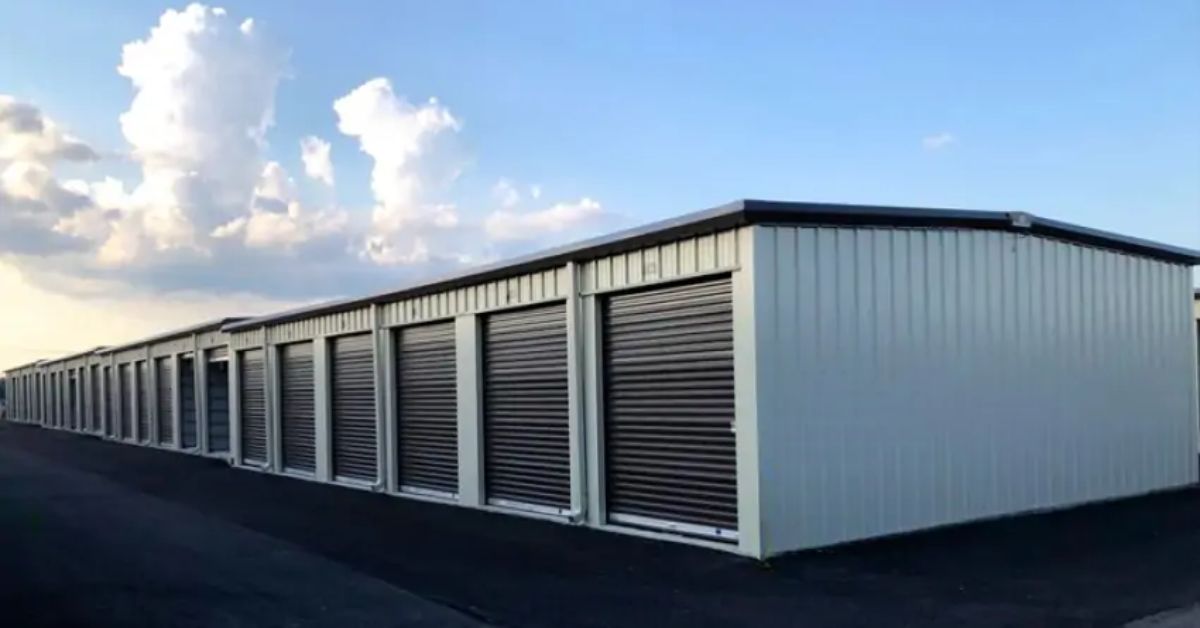
Once you have your zoning and permits in order, the next step is construction. Arco Building Systems provides high-quality, pre-engineered self-storage unit kits that combine affordability with professional-grade durability. Our steel buildings are cost-effective, low-maintenance, and resistant to fire and harsh weather, offering the security your customers expect. With over 45 years in the business, our team has the experience to support you every step of the way.

Ready to build? Get your mini warehouse buildings, perfect for self-storage, from Arco and start your journey with a partner you can trust.

A Complete Guide to Waterproofing Your Metal Building

A Complete Guide to Waterproofing Your Metal Building

A Complete Guide to Waterproofing Your Metal Building

So you’ve got a red iron steel building. That’s a smart investment. These structures are built tough, designed to stand up to whatever nature throws their way. But even the strongest building needs a solid defense against water. A small leak can turn into a big headache, causing rust, damaging your foundation, and ruining whatever you’ve got stored inside.

Arco Steel Buildings is here to help. We’ll walk you through the weak spots where water loves to sneak in and show you exactly how to stop it. We’ll cover everything from the roof down to the foundation, so you’ll have a clear plan of action. Ready to get started? Here’s a complete guide to waterproofing your metal building.

Inspect Your Metal Building for Leaks

First things first, you’ve got to hunt for potential trouble spots. The best time to do this is during or right after a good rain, since that’s when leaks make themselves known.

Where To Look for Leaks

Start your inspection by checking the most common areas where water finds its way in. These spots are usually around seams, fasteners, and openings. Here’s a quick checklist to guide you:

  • Roof panels and seams: Look closely where your roof panels overlap. These seams are a prime spot for water to seep in, especially if they weren’t sealed perfectly during installation.
  • Screws and fasteners: Every screw on your roof is a potential entry point. Check for any that are loose, rusted, or missing their rubber washers.
  • Building trim and flashing: Examine the trim around your roof edges (eaves), corners, and the base of your building. Flashing around vents, skylights, and pipes needs a close look too.
  • Doors and windows: The frames around your doors and windows can create gaps if they’re not sealed properly. Look for any signs of water stains or drafts.

While you’re inside, look up. Water stains, drips, or daylight peeking through the roof are dead giveaways of a problem. On the outside, check for rust streaks, damp spots on the walls, or pooled water near the foundation. These are all clues that can lead you to the source of a leak.

A Complete Guide to Waterproofing Your Metal Building

Seal Up Your Roof

Your roof is the first line of defense against rain, so make sure it’s impenetrable.

Securing Fasteners

Loose or worn-out fasteners are one of the biggest culprits behind roof leaks. Over time, the expansion and contraction of the metal panels can loosen screws, and the sun can degrade their rubber washers.

Tighten Loose Screws

Go over your roof and tighten any screws that feel loose. Be careful not to overtighten them, as this can damage the washer and the panel.

Replace Damaged Fasteners

If you find screws that are rusted or have cracked washers, replace them. It’s a good idea to upgrade to long-life fasteners that are designed to withstand the elements better.

Apply Sealant

For extra protection, apply a small dab of high-quality metal roof sealant over the top of each fastener.

Waterproofing Roof Panels and Seams

Ideally, your roof features PBR panels, which overlap in such a way that doesn’t allow leaks. If that’s not the case (or if you simply want to ensure maximum protection), then try these things:

  • Sealant tape: Apply a strip of butyl sealant tape along the seams before you fasten the panels together. This tape creates a flexible, watertight barrier that moves with your building.
  • Liquid sealant: You can also use a liquid-applied sealant. This stuff is great because it fills in every tiny crack and crevice, creating a seamless membrane over the entire roof. Look for a sealant that’s specifically designed for metal roofs.

A Complete Guide to Waterproofing Your Metal Building

Protect Your Walls and Foundation

Water doesn’t just come from above. It can also seep in through the walls or up from the ground.

Sealing Wall Panels and Trim

Just like your roof, your wall panels need attention. The PBR panel we just mentioned is also a common choice for walls. It has deep ribs that are great for durability but can trap water if not installed correctly.

Check the trim at the base of your walls, around corners, and along the eaves. Any gaps here are an open invitation for water. Use a quality caulk or sealant designed for metal to fill these gaps. Also, inspect the areas around your personnel doors, overhead doors, and windows. These transitions between different materials are common weak points.

Managing Water at the Foundation

You don’t want water pooling around the base of your building. When water sits against the foundation, it can find its way inside and cause some serious damage. Here are a few ways to keep the ground around your building dry.

Gutters and Downspouts

Installing gutters and downspouts is one of the best things you can do. They collect rainwater from the roof and direct it away from your foundation. Make sure they are clear of leaves and debris.

Proper Grading

The ground around your building should slope away from the foundation. This simple step uses gravity to your advantage, ensuring water flows away naturally.

Vapor Barriers

A vapor barrier installed under your concrete slab during construction helps prevent moisture from seeping up from the ground.

Add the Finishing Touches

You’ve sealed the roof, secured the walls, and managed the groundwork. What’s next? A few finishing touches can provide an extra layer of protection and make your waterproofing efforts last even longer.

Applying a Waterproof Coating

Consider applying a waterproof coating to your entire building. These coatings create a seamless, protective layer that reflects sunlight, reduces heat buildup, and seals any remaining pinhole leaks.

There are many types available, from acrylic to silicone-based formulas. Choose one that’s compatible with your building’s Galvalume or painted finish.

Don’t Forget Ventilation

Ventilation might seem counterproductive to water defense, but it is key to managing moisture inside the building. Condensation can form when warm, moist air inside meets a cold metal surface. This “sweating” can be just as damaging as a roof leak.

Installing ventilators, like round gravity vents or wall louvers, allows air to circulate, which helps equalize the temperature and reduce condensation. It’s a simple addition that makes a huge difference in keeping your building’s interior dry and free of rust or mold.

Your Waterproofing Game Plan

Waterproofing your metal building is a project you can definitely tackle. In doing so, you protect your valuable assets and extend the life of your structure.

And remember that Arco is here to help with all your metal building needs. From our steel church building kits to our helpful online advice backed by excellent customer service, our offerings are designed to make metal building ownership a breeze. Inquire today!

8 Types of Businesses You Can Start Inside a Metal Building

8 Types of Businesses You Can Start Inside a Metal Building

8 Types of Businesses You Can Start Inside a Metal Building

Starting your own business can feel overwhelming, especially when you’re trying to balance your entrepreneurial dreams with practical concerns like startup costs and facility requirements. If you’re looking for something more affordable, metal buildings are a versatile solution that can accommodate a large variety of business ideas.

These structures provide the durability, customization options, and cost-effectiveness that new entrepreneurs need to get their ventures off the ground without breaking the bank. If you’re curious as to which types of businesses work best inside metal buildings, this guide is just for you.

Retail Businesses

With the right changes, you can quickly turn any metal building into an attractive retail space that rivals traditional storefronts at a fraction of the cost. Boutiques and specialty shops thrive in these customizable structures, where you can create unique layouts that showcase your products effectively. The open floor plans allow for creative merchandising displays, while the sturdy construction ensures your inventory stays protected.

Farmers’ markets and local goods stores represent another excellent opportunity for metal building retail ventures. These structures provide the perfect environment for selling fresh produce, handmade crafts, or artisanal products. The controlled climate helps preserve product quality while creating an inviting shopping experience for customers.

Pop-up shops and seasonal retail ventures benefit significantly from the flexibility that metal buildings offer. You can easily modify the interior layout to accommodate different product lines or seasonal merchandise, making these structures ideal for businesses that need to adapt quickly to market changes.

Service-Based Businesses

Service businesses represent another popular avenue for entrepreneurs to pursue with a metal building. Take auto shops, for example. The spacious interiors accommodate multiple vehicle bays, specialized equipment, and storage areas for parts and tools. The clear-span design eliminates interior columns that could impede vehicle movement, while the high ceilings provide ample space for lifts and other equipment.

Fitness centers and gyms flourish in metal building environments as well. These structures offer the open space needed for workout equipment, group fitness classes, and specialized training areas. You can easily install climate control systems, mirrors, and flooring to create a professional fitness environment that attracts and retains members.

Pet grooming and boarding facilities benefit from the customizable nature of metal buildings. You can design separate areas for different services, install proper ventilation systems, and create comfortable spaces for both pets and their owners. The easy-to-clean surfaces and durable construction make these buildings particularly well-suited for pet care businesses.

8 Types of Businesses You Can Start Inside a Metal Building

Manufacturing and Production

Most small-scale manufacturing operations find metal buildings ideal for their needs. Whether you’re interested in woodworking, metal fabrication, or 3D printing, these structures provide the space and flexibility required for production equipment. The clear-span design allows for efficient workflow layouts, while the sturdy construction can support heavy machinery.

Food production businesses, including bakeries, catering kitchens, and small-scale packaging operations, benefit from the controlled environment that metal buildings provide. You can easily meet health department requirements by installing appropriate flooring, drainage, and ventilation systems while maintaining the flexibility to expand your operations as your business grows.

Craft breweries and distilleries have increasingly turned to metal buildings for their operations. These structures accommodate the large tanks, brewing equipment, and storage requirements these businesses demand. The ability to control temperature and humidity makes metal buildings particularly attractive for fermentation processes.

Storage and Warehousing

Self-storage facilities represent a lucrative business opportunity that prefab metal buildings support exceptionally well. You can divide the interior space into various unit sizes to meet different customer needs, from small personal storage units to large spaces for business inventory. The security features and climate control options available with metal buildings help protect stored items.

E-commerce businesses that require inventory warehousing find metal buildings ideal for their needs. These structures provide the space needed to store products, pack orders, and manage logistics operations. Add to that the ability to customize the interior layout, which lets you create efficient workflows that grow with your business.

Vehicle storage facilities for RVs, boats, and other large vehicles are in high demand across many markets. If you decide to enter this market, metal buildings will be perfect for you. They offer the height and width necessary to accommodate these vehicles while providing the security and weather protection that customers expect.

8 Types of Businesses You Can Start Inside a Metal Building

Agricultural and Farming Ventures

Indoor farming operations, including hydroponic and vertical farming setups, thrive in controlled metal building environments. You can precisely manage lighting, temperature, and humidity to optimize crop production year-round. Plus, these structures protect crops from weather extremes and pests while allowing for efficient use of space and resources.

Livestock shelters and equipment storage represent traditional but profitable uses for metal buildings in agricultural settings. These structures provide protection for animals and expensive farming equipment while offering the flexibility to adapt to changing operational needs.

Creative and Artistic Spaces

Art studios benefit tremendously from the open spaces and natural lighting options offered by metal buildings. Whether you’re a painter, sculptor, or photographer, these structures provide the room you need to create and display your work. The high ceilings accommodate large pieces, while the customizable interior allows you to design the perfect creative environment.

Music and recording studios can take advantage of the soundproofing potential in metal buildings. With proper acoustic treatments, these structures create professional recording environments at a fraction of the cost of traditional studio construction.

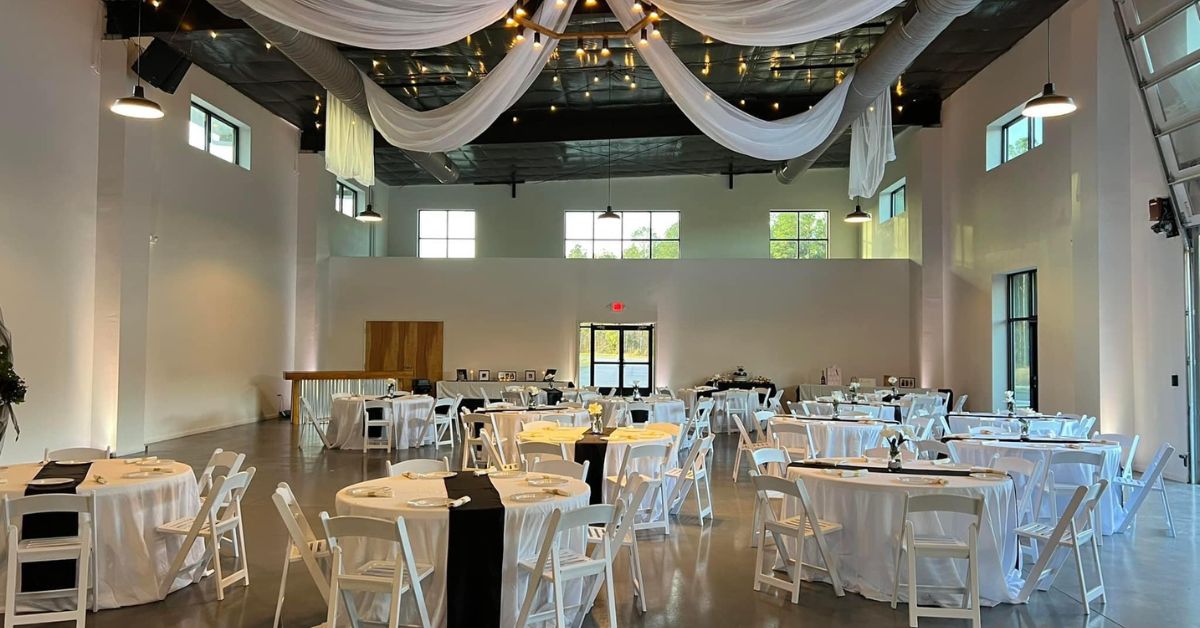
Event venues housed in metal buildings offer unique opportunities for hosting weddings, parties, and community gatherings. The open floor plans accommodate various event layouts, while the customizable exteriors can create attractive venues that stand out in the marketplace.

Office and Professional Spaces

Co-working spaces represent a growing trend that metal buildings support well. You can create flexible office environments that accommodate multiple businesses and freelancers, providing shared amenities while maintaining individual work areas. The cost-effectiveness of metal construction allows you to offer competitive rates while maintaining healthy profit margins.

Professional services, including consulting practices, therapy offices, and private offices, can also benefit from the quiet, customizable environments that metal buildings provide. You can design spaces that meet your specific professional requirements while creating welcoming environments for clients.

Educational and Training Facilities

Educational and training facilities are the final group of businesses that are easy to start in metal buildings. Trade schools and workshops, in particular, find these buildings ideal for many hands-on training programs. Whether you’re teaching welding, carpentry, or automotive repair, these structures provide the space and safety features necessary for practical education. The ability to install specialized equipment and create realistic training environments makes metal buildings particularly valuable for vocational education.

Outside of those, tutoring centers, fitness classes, and skill-based learning facilities can all thrive in metal building environments. The flexibility to reconfigure spaces for different class sizes and activities makes these structures perfect for educational ventures that need to adapt to changing demands.

Why Steel Buildings Are Perfect for Your Event Venue

Why Steel Buildings Are Perfect for Your Event Venue

Why Steel Buildings Are Perfect for Your Event Venue

The demand for unique and adaptable event venues is on the rise. From weddings and corporate conferences to concerts and community gatherings, people are looking for spaces that are not only functional but also memorable. As an event facility owner or developer, you need a solution that is versatile, durable, and financially sound.

Steel buildings offer a compelling answer, providing a unique blend of practicality, modern aesthetics, and long-term value that traditional construction often struggles to match. This guide will explore the distinct advantages of choosing a steel building for your next event venue, covering everything from initial cost savings to long-term scalability.

Lower Costs, Higher Returns

One of the most significant advantages of choosing a steel building is its cost-effectiveness. The financial benefits begin with the initial investment. Prefabricated steel building systems are generally more affordable than conventional construction methods using materials like wood, brick, or concrete. The components are manufactured off-site to precise specifications, which reduces material waste and labor costs.

The best part is that savings continue long after the doors open. Steel’s inherent durability means lower maintenance costs over the building’s lifespan. It’s resistant to common issues that plague other materials, such as rot, warping, and pest infestations. This resilience minimizes the need for frequent repairs and upkeep.

Furthermore, if you’re smart about design, you can put together a steel building that provides exceptional energy efficiency. By installing high-quality insulation and reflective roofing materials, you can significantly reduce heating and cooling costs, resulting in substantial savings on utility bills year after year.

Unmatched Customization and Versatility

Your event venue needs to be a chameleon, capable of transforming to suit a variety of occasions. Steel buildings deliver unparalleled design flexibility. Their clear-span framing allows for vast, open interior spaces without the need for obstructive interior support columns. This creates a blank canvas for any event layout, whether you need an open floor for a trade show, a seated arrangement for a wedding reception, or a theater-style setup for a conference.

Many modern steel buildings also shatter the myth of the boring, industrial-looking box. This is thanks to the virtually limitless number of design options available. You can choose from a variety of durable and customizable exterior options, such as metal panels, corrugated steel, or custom paint finishes, to achieve the look and functionality you need. Add to that large windows, architectural paneling, and custom entryways, and you’ll be able to craft a visually stunning venue that attracts clients and impresses guests.

Why Steel Buildings Are Perfect for Your Event Venue

Superior Durability and Longevity

An event venue is a long-term investment, and its ability to stand the test of time is crucial. Steel is one of the most durable construction materials available. Because of this, steel buildings can withstand many extreme weather conditions, including heavy snow loads, high winds, and torrential rain, ensuring the safety of your guests and the protection of your asset.

Beyond weather resistance, steel is non-combustible, which significantly enhances the safety of your venue and can lead to lower insurance premiums. Unlike wood, steel is also impervious to pests like termites and rodents, eliminating the risk of structural damage from infestations. It doesn’t support mold or mildew growth either, which protects the building’s structural integrity and ensures a healthier indoor environment for everyone. This combination of resistances guarantees a longer lifespan with fewer worries.

Accelerated Speed of Construction

In the event industry, time is money. The sooner your venue is open, the sooner you can host events and generate revenue. Steel buildings are ideal here because manufacturers produce the components in a factory-controlled environment while the foundation is being prepared on-site. This parallel process dramatically shortens the overall construction timeline compared to traditional methods.

Once the components arrive at the construction site, teams quickly assemble them, much like a large-scale erector set. The precision of pre-engineered parts means fewer delays and on-site complications. This accelerated construction schedule will give you a competitive edge in the market, especially if you decide to put up more facilities in the future.

Built-In Scalability for Future Growth

Speaking of which, your business goals today might be different from what they are in five or ten years. A key benefit of steel buildings is their inherent scalability. The modular design makes expansion straightforward and cost-effective. Whether you need to add more event space, a larger kitchen, or additional storage, you can easily extend a steel building without the major disruptions associated with expanding a traditional structure.

This adaptability also allows you to stay current with future trends in the event industry. If you need to reconfigure the interior layout or upgrade technological capabilities, the clear-span design makes modifications simpler. This ensures your venue remains relevant, functional, and profitable for years to come, adapting as your business grows and the market evolves.

Practical Features for Flawless Events

A successful event venue is about more than just a big room. It requires a host of practical features to ensure everything runs smoothly. Another upside to steel buildings is that you can easily design them to accommodate these essential elements. For instance, you can integrate acoustic panels into the walls and ceiling to manage sound, providing excellent acoustics for concerts, speeches, and presentations.

Climate control is also simple to incorporate. You can install modern HVAC systems and high-performance insulation to maintain a comfortable temperature for guests throughout the year, regardless of the weather outside. Additionally, you can easily add necessary back-of-house spaces, such as commercial kitchens, ample storage areas, restrooms, and administrative offices, into the building’s design, creating a fully functional and efficient event facility.

Why Steel Buildings Are Perfect for Your Event Venue

Where To Get Your Steel Building

Once you know what makes steel buildings so great, it’s hard to go with another option. If you’re ready to put one or two together for your event-hosting business, Arco Building Systems is here to help. We have a wide range of prefabricated commercial buildings available on our website. Take the time to figure out which options best fit your needs, and we’ll help you make sure everything is set up and ready to go as quickly as possible.

Which Type of Foundation You Need for Your Metal Building

Which Type of Foundation You Need for Your Metal Building

Which Type of Foundation You Need for Your Metal Building

When it comes to constructing a metal building, selecting the right foundation is one of the most critical decisions you’ll make. The foundation serves as the backbone of your structure, directly impacting its stability, durability, and long-term performance.

While metal buildings are known for their versatility and strength, they’re only as solid as the foundation they rest on. That’s why we’ve taken the time in this guide to explore the most common foundation types for metal buildings and the key factors that will help you determine which option best suits your project’s specific needs.

Factors to Consider When Choosing a Foundation

When selecting a foundation for your metal building, several important factors come into play. Not only does the foundation need to support your building, but it must also preserve your building’s longevity and performance under various conditions. Here’s a look at what you should consider.

Soil Type and Site Conditions

Your soil composition plays a fundamental role in foundation selection. Clay soils expand and contract in response to changes in moisture, requiring deeper foundations or special considerations to prevent shifting. Sandy soils drain well but may lack the bearing capacity for heavy structures. Rocky terrain offers excellent support but can increase excavation costs.

Outside of that, site preparation is equally important. Proper grading ensures water flows away from your building, while adequate drainage prevents moisture-related issues that can compromise your foundation over time. A professional soil test will reveal your site’s specific characteristics and help guide your choice of foundation.

Which Type of Foundation You Need for Your Metal Building

Building Size and Weight

The dimensions and weight of your metal building directly influence your foundation requirements. A small storage shed may only need a simple concrete slab, while a large commercial facility requires more substantial support. Consider not only the building’s structural weight but also the loads it will carry—heavy machinery, stored materials, or equipment can significantly increase foundation demands.

Structural integrity becomes paramount as building size increases. Larger structures experience greater wind loads and require foundations that can resist uplift forces and lateral movement.

Local Climate and Weather

Climate conditions in your area affect foundation design in several ways. Frost lines determine how deep footings must extend to prevent freeze-thaw damage. Areas with extreme temperature fluctuations may require expansion joints or special concrete mixes.

Moisture levels also matter. Regions with high rainfall or groundwater may need enhanced drainage systems or waterproofing measures. Conversely, arid climates might allow for simpler foundation designs but could present unique soil stability challenges.

Intended Use of the Building

How you plan to use your metal building significantly impacts foundation requirements as well. For example, a basic storage facility needs different support than a workshop with heavy machinery, while commercial buildings often require additional considerations like accessibility compliance, floor drains, or utility accommodations.

Don’t forget to consider future needs as well. If you might expand your building or change its use, planning for these possibilities now can save significant costs later.

Budget and Timeline

Foundation costs can vary dramatically depending on the type you choose. Simple pier foundations are typically the most economical, while full concrete slabs with perimeter walls represent a larger investment. However, the cheapest option upfront isn’t always the most cost-effective long-term choice.

Construction timelines also vary by foundation type. Some options allow for quicker building construction, while others require extended curing times that can delay your project.

Common Types of Foundations for Metal Buildings

With that information out of the way, the most important thing to know before choosing the ideal foundation type for your metal building is how each one has unique characteristics that make it suitable for different applications and site conditions. Understanding these distinctions will help you select the correct foundation for your red iron metal building project.

Concrete Slab Foundation

A concrete slab foundation consists of a flat, poured concrete base that covers the entire footprint of the building. This popular option creates a smooth, level surface that’s ready to use immediately after construction.

Benefits:

  • Provides an excellent work surface that’s easy to clean and maintain
  • Offers uniform support across the entire building area
  • Prevents moisture and pest infiltration from below
  • Ideal for buildings requiring a finished floor

Best for: Garages, workshops, retail spaces, and storage buildings where a finished floor surface is non-negotiable. This foundation type works particularly well for smaller to medium-sized buildings up to 40×60 feet.

Perimeter Wall Foundation

A perimeter wall foundation, also known as a stem wall, features a raised concrete wall around the building’s perimeter, often combined with a concrete slab interior. This wall extends above ground level and below the frost line.

Benefits:

  • Provides superior support for heavy loads and large buildings
  • Allows space for insulation installation, improving energy efficiency
  • Offers better moisture control and protection from ground contact
  • Creates a barrier against pests and debris

Best for: Larger commercial buildings, heated structures, or buildings in areas with challenging soil conditions. This foundation type is excellent when insulation and moisture control are priorities.

Which Type of Foundation You Need for Your Metal Building

Pier Foundation

Pier foundations use individual concrete piers placed at strategic load-bearing points around the building perimeter and interior. These piers extend below the frost line and support the building frame directly.

Benefits:

  • Most cost-effective foundation option
  • Quick installation with minimal site disruption
  • Works well on uneven or sloped terrain
  • Allows natural drainage under the building

Best for: Agricultural buildings, barns, equipment storage, or some temporary structures. This foundation type is ideal when budget constraints are a primary concern or when the building site has challenging topography.

Floating Foundation

A floating foundation sits on or just below the surface without deep anchoring into the ground. This type relies on the soil’s bearing capacity to distribute the building’s weight over a wide area.

Benefits:

  • Reduces excavation requirements and costs
  • Works effectively in areas with stable, well-draining soil
  • Faster installation than deep foundations
  • Suitable for lighter structures

Best for: Lightweight metal buildings in areas with stable soil conditions. This option works well for temporary structures or buildings that don’t require permanent attachment to the ground.

Combination Foundations

Many metal building projects benefit from combining foundation types to address specific site conditions or building requirements. This allows people to more easily customize their foundation as needed.

Example applications:

  • Concrete slab with perimeter stem walls for enhanced support and insulation
  • Pier foundation with partial slab areas for work zones
  • Floating slab with reinforced edges for medium-duty applications

The key to successful combination foundations is working with experienced contractors who understand how different foundation elements interact and complement each other. That way, you can ensure your building has the most secure foundation possible.

4 Types of Barn Roofs and Which To Choose

4 Types of Barn Roofs and Which To Choose

6 Types of Barn Roofs and Which To Choose

When you’re planning to build a barn, every detail matters, from the foundation to the rafters. One of the most critical decisions you’ll make is choosing the right roof. The part of your barn not only protects your livestock, equipment, and supplies from the elements but also defines the barn’s overall style and functionality.

With so many options available, each with its own set of benefits and drawbacks, making the right choice can feel overwhelming. That’s why we’ve put together this guide to help you explore the most common types of barn roofs, helping you decide which to choose.

1. Gable Roof

Gable roofs are perhaps the most classic and recognizable roof style, featuring a simple triangular shape with two sides sloping down from a central ridge. This straightforward design has been a staple in construction for centuries for good reason. Its simplicity makes it cost-effective to build, as it requires fewer materials and less complex labor than other designs. The steep pitch is excellent at shedding rain and snow, helping prevent water damage and structural strain in areas with moderate to heavy precipitation.

However, the traditional gable roof design offers limited overhead space, which can be a drawback if you need a spacious loft for hay storage or other uses. These roofs can also be less resistant to high winds compared to other styles, particularly if you didn’t brace the framing properly. Still, a gable roof is an ideal, all-around choice for general-purpose barns in regions with moderate weather conditions.

2. Monitor Roof

A monitor roof is another classic roof type for barns. It offers a unique, highly functional design characterized by a raised center section that runs along the length of the roof ridge. This raised portion, often lined with windows or vents, is the defining feature. The main benefit of a monitor roof is superior ventilation and natural light. The windows allow sunlight to flood the interior, while the vents let hot air escape, creating a cooler, more comfortable environment for livestock.

This design is particularly beneficial for horse barns or any agricultural building in a hot climate. The improved airflow helps maintain a healthy atmosphere for animals by reducing moisture and heat buildup. The downside is that the complex structure leads to higher construction costs and a longer build time. If your priorities are ventilation and light, and your budget allows, a monitor roof is an excellent investment.

6 Types of Barn Roofs and Which To Choose

3. Single-Slope Roof

The single-slope roof, sometimes known as a shed roof or lean-to roof, features just one flat surface that slopes from one side of the building to the other. This simple and streamlined design is highly effective for barns where straightforward drainage and modern aesthetics are priorities. The slope directs rainwater and snow away from your barn, reducing the risk of leaks and water buildup. It’s also incredibly cost-efficient, requiring fewer materials and faster assembly time compared to more complex styles.

Single-slope roofs are ideal for structures built next to existing buildings or when maximizing wall height on one side is beneficial—for example, if you plan to add large equipment doors or tall windows. While this type of roof doesn’t provide as much loft space as a gable or monitor design, it delivers excellent value for barns that need to balance simplicity, savings, and performance.

4. Asymmetrical Roof

An asymmetrical roof breaks away from traditional symmetry by featuring two sides of different lengths or pitches. This unique configuration isn’t just about visual interest—it serves distinct practical purposes. The steeper side of the roof can be oriented to shed snow or withstand prevailing winds more effectively, while the gentler slope can allow for easier equipment access or expanded covered storage.

This design offers flexibility that you can tailor to the specific requirements of your site and operation. An asymmetrical roof may also enhance ventilation or natural lighting, depending on how you position windows and vents. It does present a bit more complexity to design and construction, but for many, the added customization is well worth the investment.

6 Types of Barn Roofs and Which To Choose

How to Choose the Right Roof for Your Needs

With a better understanding of the types of barn roofs available, it’s time to choose which is right for you. Picking your ideal roof comes down to a few key factors:

  • Assess Your Climate: Consider your local weather patterns. Do you get heavy snow, high winds, or intense heat? Your roof needs to withstand whatever Mother Nature throws at it.
  • Define Your Purpose: Think about how you’ll use the barn. Do you need a massive hayloft for storage, or is superior ventilation for livestock your top priority?
  • Set Your Budget: Your budget will influence your choice of materials and the complexity of the design. Balance your upfront construction costs with potential long-term maintenance expenses.
  • Prioritize Durability: Consider how much maintenance you’re willing to perform. Some roof types require more upkeep than others to ensure their longevity.
  • Match Your Style: Finally, decide on the look you want to achieve. Whether you prefer a timeless, traditional barn or a sleek, modern structure, there’s a roof style to match your vision.

No matter which roof you choose, partnering with an experienced builder is key to ensuring your barn is built to last. If you decide to partner with Arco Building Systems for your farm buildingwe’d recommend a gable or monitor roof. These work best for most metal agricultural structures, but any of the choices listed here should suffice. 

Roof Maintenance Tips

Once you have your barn roof installed, maintaining it will be essential for maximizing its lifespan and safeguarding everything housed within your building. Start by scheduling regular roof inspections at least twice a year, especially following severe weather events. During an inspection, look for signs of wear such as rust, loose screws, cracked seals, or damaged panels. Catching minor issues early can prevent them from turning into major repairs down the road.

Keeping the roof surface clean is another key step. Remove debris like leaves, branches, and moss, as they can trap moisture and accelerate deterioration. For metal roofs, check for areas where coatings may have worn thin and reapply paint or sealant as needed to protect against corrosion.

Promptly addressing any damage is crucial. If you spot leaks, missing fasteners, or dented sections, address them right away to prevent water intrusion or structural problems. For barns with skylights or ventilation fixtures, make sure the surrounding seals remain intact to prevent drafts or water seepage.

By staying proactive with your maintenance routine, you will extend the service life of your barn roof, minimize costly repairs, and ensure your structure continues to perform as intended for years to come.

How To Turn Your Metal Building Into the Ultimate Man Cave

How To Turn Your Metal Building Into the Ultimate Man Cave

How To Turn Your Metal Building Into the Ultimate Man Cave

A man cave is more than just a room; it’s a personal sanctuary where you can relax, pursue your hobbies, and entertain friends. As this concept has grown in popularity, many are discovering the unique advantages of using a pre-engineered metal building as the foundation for their ultimate personal space.

These structures are durable, highly customizable, and cost-effective, offering a blank canvas to bring any vision to life. To help you bring yours to life, this guide will walk you through the essential steps, offering practical tips to help you transform your metal building into the man cave it deserves to be.

Step 1: Plan Your Vision

Before you pick up a single tool, it’s crucial to have a clear plan. Start by defining the primary purpose of your man cave. Will it be a place to watch the big game with friends, a high-tech gaming room, a workshop for your hobbies, or simply a quiet spot to unwind? Your answer will shape every decision you make, from the layout to the decor.

Once you have a purpose in mind, set a realistic budget. Consider all potential costs, including renovations, insulation, furniture, electronics, and decorations. Having a budget will help you prioritize spending and avoid overextending your finances. Don’t forget to take detailed measurements of your metal building. Knowing the exact dimensions and layout will be essential for planning the placement of walls, furniture, and other key features.

Step 2: Insulate and Control the Climate

One of the most important steps in converting a metal building into a man cave is ensuring it’s comfortable in all seasons. Proper insulation is key. It not only helps maintain a stable temperature, keeping the space cool in summer and warm in winter, but it’ll also improve energy efficiency and provide excellent soundproofing. This means you can turn up the volume on your sound system without disturbing the neighbors.

There are several insulation options to consider, including fiberglass batts, a cost-effective and common choice, and rigid foam boards, which offer high insulation value and can also serve as a vapor barrier. To complete the setup, install a suitable climate control system. Depending on your local weather, this could be a ductless mini-split system for both heating and cooling, a simple window AC unit, or a space heater paired with good ventilation.

How To Turn Your Metal Building Into the Ultimate Man Cave

Step 3: Design the Interior

With the essentials covered, it’s time to focus on the interior design. The right flooring can transform the feel of the space. Carpeting adds warmth and comfort, making it an excellent choice for a cozy lounge area. Epoxy flooring is incredibly durable, easy to clean, and resistant to stains, making it perfect for a workshop or bar area. Hardwood or laminate flooring offers a classic, rustic look that works well for a lodge-themed cave.

Next, consider the walls and ceiling. While you can leave the metal exposed for an industrial look, adding drywall or wood paneling creates a more finished, traditional room feel. This also provides a surface for mounting shelves, TVs, and decor. Lighting will also be crucial here. Use a combination of ambient lighting (like overhead fixtures), task lighting (for a pool table or workbench), and accent lighting (like neon signs or spotlights on memorabilia) to create a layered and inviting atmosphere.

Step 4: Choose Your Theme

This is where you can let your personality shine. A theme ties everything together and makes your man cave feel cohesive. Popular themes include:

  • Sports Bar: Decorate with team memorabilia and set up multiple screens for game day.
  • Retro Arcade: Fill the space with vintage game machines and vibrant neon signs.
  • Rustic Lodge: Incorporate natural wood accents and a cozy fireplace for a warm, inviting feel.
  • Modern Minimalist: Opt for clean lines and high-tech gadgets for a sleek, sophisticated look.

Once you’ve chosen a theme, start collecting decor to match. Posters, jerseys, custom furniture, and unique collectibles will bring your vision to life. Your color scheme should also complement the theme. Dark, warm colors can create a cozy, intimate vibe, while lighter, neutral tones can make the space feel larger and more open.

Step 5: Add Essential Features

No man cave is complete without its core features. An entertainment system is often the centerpiece. This could include a large flat-screen TV, a projector for a movie-theater experience, and a surround-sound system for immersive audio. If you’re a gamer, a dedicated space for your consoles and PC setup is a must.

Comfortable seating is another essential. Think plush recliners, a large sectional couch for hosting friends, or stylish bar stools if you’re building a bar. Speaking of which, a bar area is a classic man cave feature. You can start simple with a mini-fridge and a countertop or go all out with a kegerator, a custom-built bar, and dedicated shelving for your glassware and spirits.

How To Turn Your Metal Building Into the Ultimate Man Cave

Step 6: Incorporate Personal Touches

To make the space truly your own, fill it with things that reflect your hobbies and interests. If you’re a musician, display your guitars on the wall. If you’re a collector, showcase your prized possessions in display cases. This is your space to celebrate what you love. You can also take on some DIY projects to add a unique, handcrafted element.

Build a custom coffee table, a unique shelving unit, or even your own bar. These projects not only save money but also add a personal story to your man cave. Finally, hang artwork and memorabilia that have sentimental value. Whether it’s a framed photo, a vintage concert poster, or a family heirloom, these items will make your man cave feel like home.

Step 7: Maximize Functionality

A well-designed man cave should be as functional as it is stylish. Smart storage solutions are essential for keeping the space tidy and organized. Use shelves, cabinets, and even hidden compartments to store games, tools, and other items out of sight.

To make the most of your square footage, create distinct zones for different activities. You could have a lounging area for watching TV, a corner for gaming, and a space for working out. This helps the room feel larger and more organized. You can also integrate smart home technology to control lighting, sound, and even security with your voice or smartphone. This adds a modern, convenient touch to your setup.

Step 8: Consider Outdoor Add-Ons

If your metal building has some surrounding land, why not extend the experience outdoors? Adding a patio or deck creates a perfect spot for grilling, relaxing, and hosting gatherings on nice days. A grill or a fire pit can become a focal point for social events, allowing you to entertain guests both inside and out.

You can also enhance the exterior with simple landscaping, like adding some plants, pathways, or outdoor lighting. These finishing touches improve the overall appeal of your man cave and make it an even more inviting place to spend your time.

Don’t Have a Metal Building Yet?

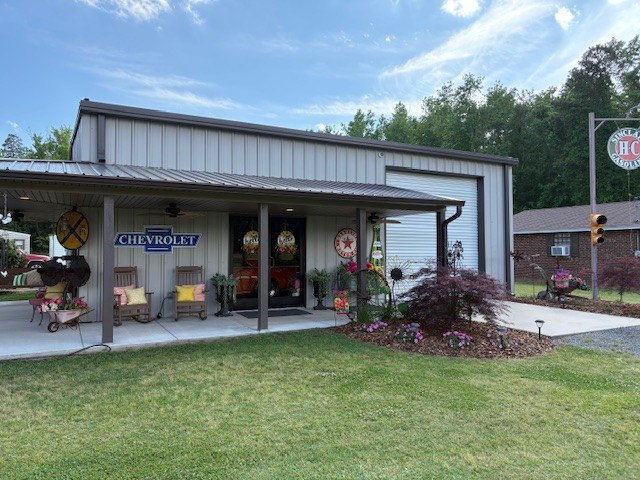
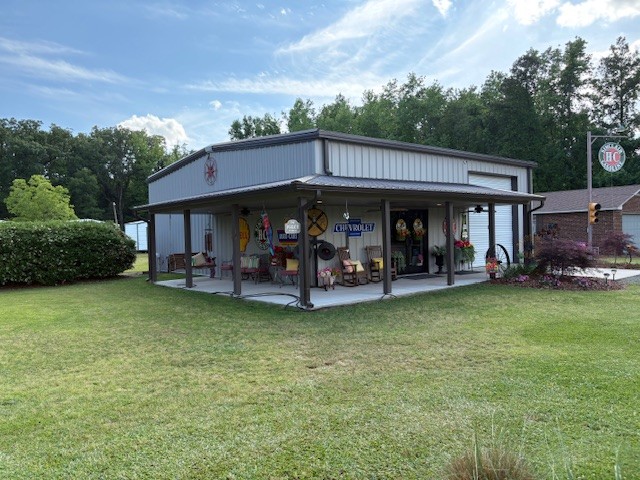
If all of these suggestions sound amazing to you, but you don’t yet have a metal building to turn into a man cave, then Arco Building Systems is here to help. We have a large selection of metal garage building kits to choose from on our site, so find the one that’ll work best for your future man cave and get building.