
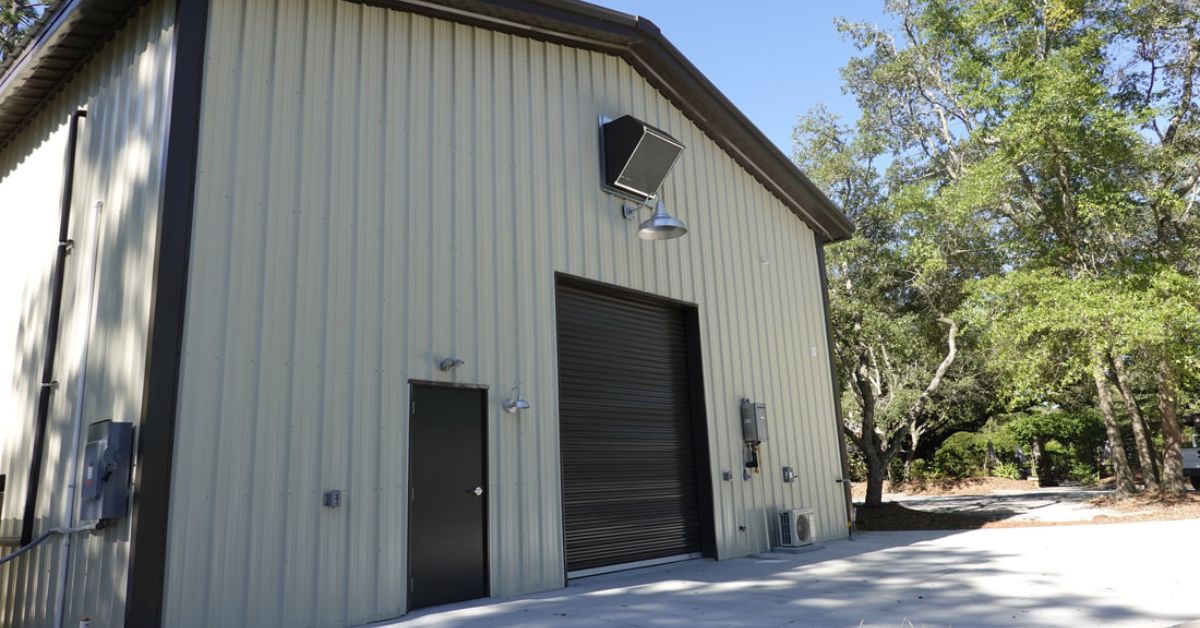
So you’re thinking about expanding your workshop. Maybe you’ve outgrown your current space, you’re adding a new lift, or you want to take on more vehicles at once. Whatever the reason, it’s a smart move, but there’s a lot more to it than just knocking down a wall or pouring a new slab. Before you start drawing up plans to expand your workshop, let’s walk through the key things to consider that could make or break the upgrade. Knowing what to tackle upfront can save you serious time, money, and regret down the road.
Take a Hard Look at Your Current Workflow
Before you add square footage, you need to understand how your current space functions and how you might improve it. Where are the bottlenecks? Are techs bumping into each other around certain bays? Is your parts storage eating up floor space that you could use for a lift?
Walk through your shop during a busy day and pay attention to what’s slowing people down. To design a better space, you should know what’s inefficient in the current one. Fix the workflow problems in your head first, then design the expansion around the solution.
Understand Your Local Zoning and Permitting Requirements
Some areas restrict how large a building can be, what kind of work you’re allowed to do, and even how many vehicles you’re permitted to store outdoors. Pull up your city or county zoning code before you do anything else. You’ll also need building permits for most structural changes, and depending on the scope of your project, you might need electrical, mechanical, or environmental permits too. The permitting process takes time, so start early.
Know What Your Electrical System Can Handle
Automotive shops need a lot of electricity. Lifts, compressors, welders, tire machines, diagnostic equipment, lighting, HVAC, and EV charging stations all pull current simultaneously. If you’re expanding your footprint and adding equipment, your existing electrical panel might not be able to handle the load.
Building a bigger shop only to find out your power infrastructure can’t support it is an expensive lesson. Have a licensed electrician do a load calculation before you finalize your expansion plans. You may need a panel upgrade, a sub-panel, or dedicated circuits for specific equipment.
Think Carefully About Your Floor
The floor in a workshop has to sustain heavy wear and tear. Concrete is the most popular and effective material choice, but not all concrete is created equal. If you’re adding a new section, you need to think about the thickness of the slab, the PSI rating, and whether it needs to be reinforced for specific loads like alignment racks or heavy lifts.
You also need to factor in drainage. Automotive work generates waste fluids, and most jurisdictions require proper floor drains that connect to an oil-water separator. If you’re working with an existing slab that’s cracked or settling, get it inspected before you build over or adjacent to it.
Plan Your Plumbing and Compressed Air Layout
Compressed air is invaluable in most automotive shops, and your plumbing layout affects how efficient this utility can be. If you’re expanding, you need to plan where your drop lines will go, how long the runs are, and whether your current compressor can handle the additional demand. Longer air lines mean more pressure drop, which can hamper tool performance. You’ll also want to think about where your utility sink is going, whether you need additional floor drains, and if you’re adding a spray booth, what exhaust ventilation that requires.
Don’t Underestimate Lighting and Ventilation
A bigger space needs more lighting and more ventilation. Natural light is great when you can get it, but in a large, enclosed workspace, you’re going to depend heavily on artificial lighting. LED high-bay fixtures are the standard now for good reason. They’re efficient, they produce excellent color rendering, and they last.
On the ventilation side, vehicle exhaust fumes, paint fumes, and chemical vapors accumulate fast in enclosed spaces. Your ventilation system needs to move enough air to keep the environment safe and comfortable. Calculate your shop’s cubic footage and match your ventilation capacity to it.
Factor In Storage From the Start
Storage is almost always an afterthought during expansions, and shops almost always end up regretting it. Parts, fluids, tires, tools, and shop supplies take up a surprising amount of room. If you’re planning a larger space, build your storage solution into the design from day one. Think about vertical storage, dedicated tire storage if your shop services seasonal changeovers, and a secure area for chemicals and fluids that meets fire code requirements.
Evaluate Your Long-Term Equipment Needs
Your expansion should be sized for where you want to be in 5 to 10 years, not just for your current workload. If you’re planning to add a second alignment rack, build for it now. If EV service is on your radar, rough in the electrical capacity before the walls go up. Retrofitting is always more expensive than building the right infrastructure from the start.
Talk to potential equipment vendors as part of the planning process. They can help you understand the space, power, and ventilation requirements for the tools you’re planning to add.
Choose the Right Structure for Your Expansion
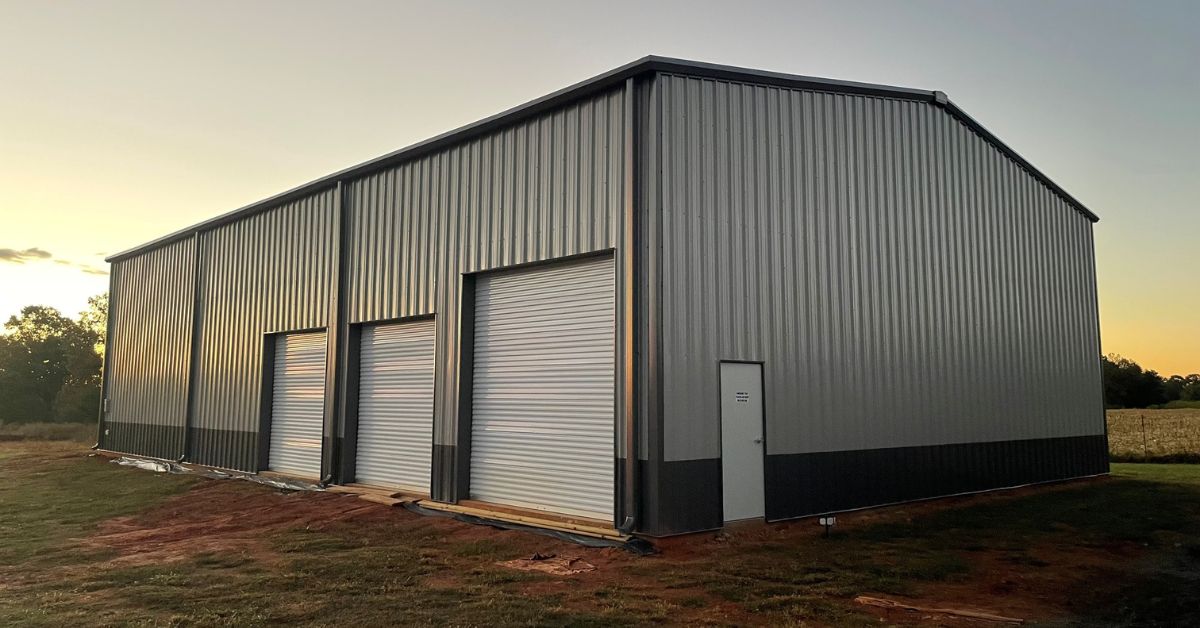
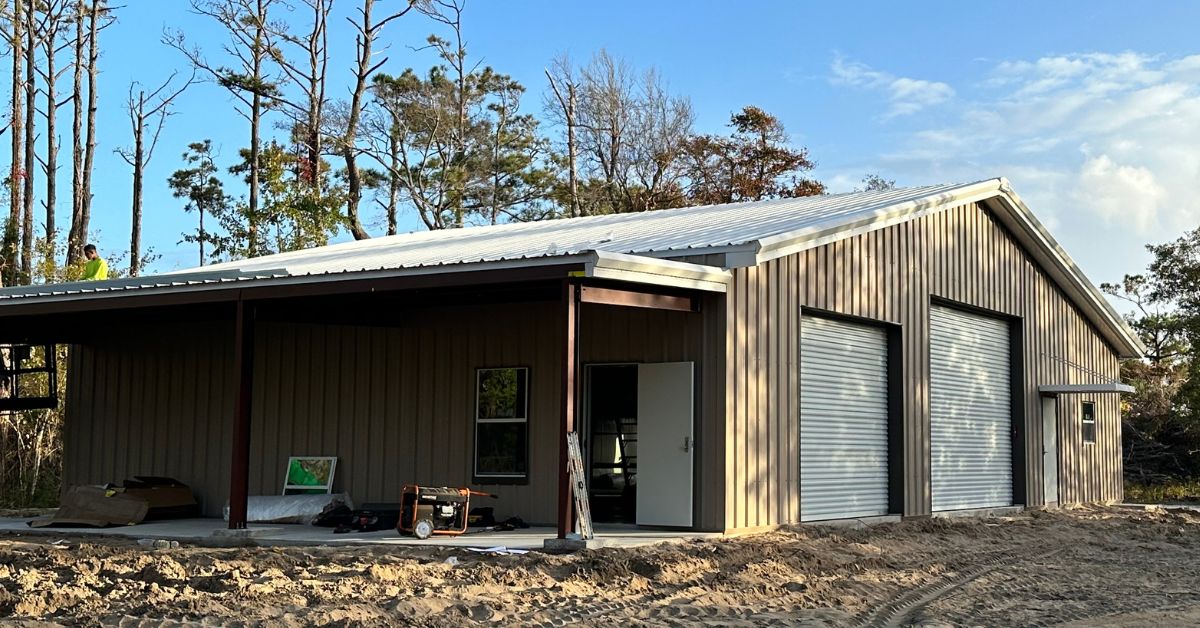
How you add space matters as much as how much space you add. Some shop owners extend their existing building. Others build a separate structure on the same property. If you’re choosing the latter or knocking down your current workshop and starting fresh, then build with steel. Purpose-built metal structures are perfect for workshop and automotive applications. They go up faster than traditional construction, they’re relatively affordable, they’re durable, and they can be customized to the exact dimensions your operation needs.
If you’re looking at a separate addition or remake, choose the metal garage building kits from Arco Steel. These buildings are designed for exactly your kind of application and give you a clear-span interior without columns eating up your floor space.
What You Don’t Want to Shortcut
No matter how eager you are to get shovels in the ground, it pays to consider thethings we mentioned abovebefore expanding your workshop. Everything always circles back to the same core principle: Plan thoroughly or pay for it later. The shop owners who end up with expansion regret almost always skip one of the steps above. Get the right professionals involved early, ask great questions, and build something you won’t have to redo in five years.