
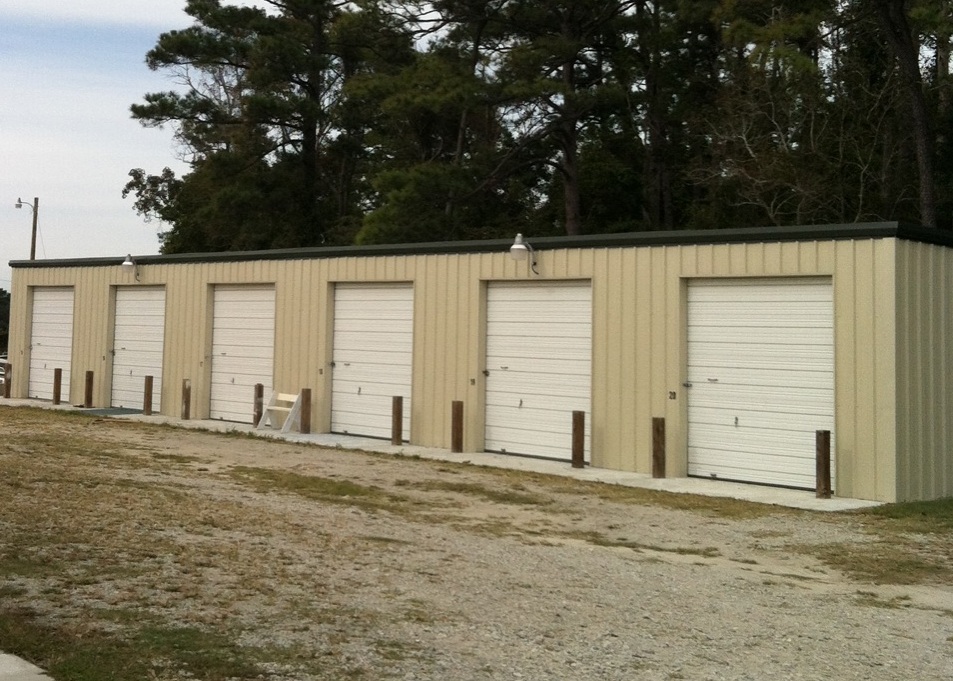
Whether you’re a seasoned contractor or someone tackling your first major build, you’ve probably encountered kit-based construction. This unique method is a viable replacement for traditional construction in many niches, including warehousing, manufacturing, retail, storage, aviation, and much more. In fact, pre-engineered kits are the future of construction in these niches, and we’re here to explore why.
What Pre-Engineered Means
A pre-engineered building kit is a structure designed and manufactured off-site as a complete system. The vast majority of these systems are made of steel.
The manufacturer engineers the building framing, roof panels, wall panels, fasteners, and trim all together, meaning you don’t have to separately source and combine these pieces on-site. The kit arrives at your jobsite ready for assembly.
The Old Way’s Limitations
Traditional construction depends on a long chain of decisions and third-party partners. You must hire a design team, source materials, coordinate deliveries, manage tradespeople, and hope everything lines up. If it doesn’t—and something usually goes wrong—you pay for it in delays and cost overruns.
That process isn’t efficient. It spreads accountability across too many people and too many moving parts. And though you cannot avoid this process for certain types of construction (such as residential builds), pre-engineered kits are an alternative for many applications.
Why Pre-Engineered Kits Are the Future
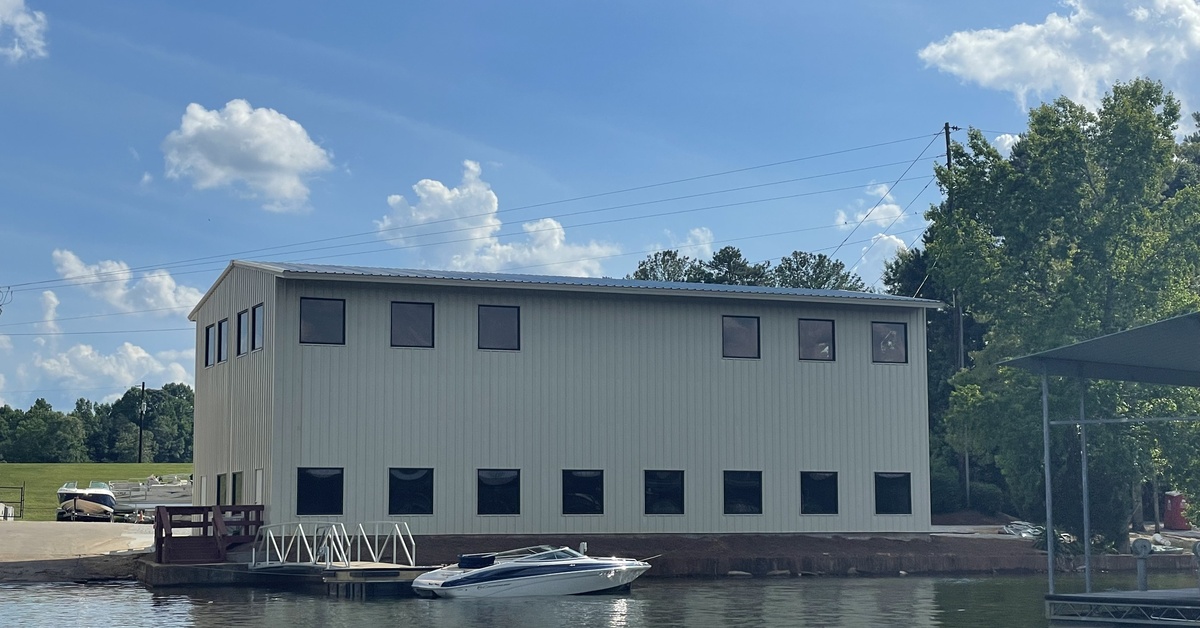
Now, let’s dive into the nitty-gritty of why pre-engineered kits are the future of construction in niches such as agriculture, manufacturing, logistics, aviation, retail, ship handling, fitness, and many others.
Speed
Construction timelines are notoriously hard to hit. Material lead times, weather, subcontractor scheduling, and supply chain hiccups can all eat into your schedule. Pre-engineered kits cut through a lot of that.
Because the system ships as a package, you don’t have to wait on 12 separate material deliveries. You get everything you need in one go.
And because the components are pre-cut and pre-drilled, field assembly moves faster than conventional framing. Faster assembly means less time exposed to weather delays and cost creep.
Cost Predictability
Speaking of cost creep, one of the frustrating parts of traditional construction is how much the final cost can drift from the original estimate. Something unexpected—and expensive—almost always comes up.
Pre-engineered kits give you a fixed scope from the start. You know what you’re ordering, you know what it costs, and you know how it goes together. That predictability makes budgeting far more predictable.
This doesn’t mean pre-engineered kits are automatically cheaper than site-built alternatives in every situation. What it means is that you have better information going in.
Excellent Structural Performance
Some people worry that a kit-based system is a compromise on structural integrity. It’s not. Pre-engineered steel structures are engineered to meet and often exceed local building codes and load requirements, just like any custom-built structure.
Plus, steel’s strength-to-weight ratio is hard to beat. Pre-engineered steel buildings handle snow loads, wind loads, and seismic requirements excellently.
Application Flexibility
Pre-engineered kits aren’t limited to one type of project. That’s one of the reasons the technology has expanded so quickly across so many industries.
Here’s a short list of what people use these systems for most often:
- agricultural buildings, including barns, equipment storage, and livestock facilities
- commercial warehouses and distribution centers
- retail storefronts
- industrial facilities
- garages, workshops, and hobby structures
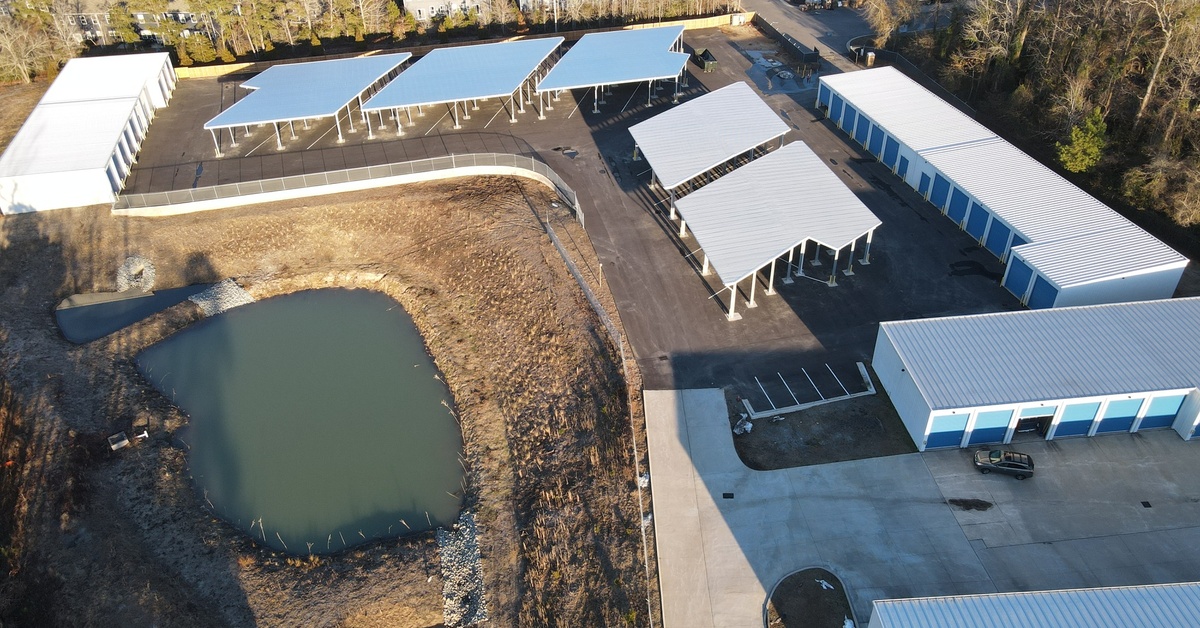
- self-storage complexes
- aircraft hangars
- maintenance facilities
- recreational buildings like gyms and community centers
The same core system adapts across all of these project types by adjusting dimensions and custom features. That means everyone using a kit for their building needs, whatever they are, is working from a proven platform, not starting from scratch every time.
DIY-Friendliness
If you’re not a professional contractor, pre-engineered kits offer something that traditional construction rarely does: a clear path from order to finished building without requiring advanced construction knowledge.
The parts are labeled. The connections are engineered in advance, so you won’t have to make structural decisions on the fly.
That said, you still need to be realistic about what you’re taking on. A larger structure with a complex foundation will still need professional input on some aspects, especially when it comes to site prep and permitting. But the kit itself removes a lot of the technical complexity that would otherwise require a specialist.
For the ambitious DIYer who’s done their homework, a pre-engineered kit is one of the most achievable paths to a large, durable structure.
Simplified Permitting and Code Compliance
Every new structure requires permitting, and that can be a tedious process. Specifically, getting a permit for a new structure requires engineering stamps that certify compliance with local building codes. Pre-engineered systems simplify this process because most reputable kit suppliers provide stamped engineering drawings that local building departments can review. You don’t have to hire a separate engineer to design the structure from scratch; just present a system that’s already been engineered and tested.
This doesn’t mean permitting is automatic. Local requirements vary, and you’ll still need to work with your local authority on site-specific issues like foundation design and zoning. But the structural engineering portion of your permit package is handled, which removes one of the more expensive and time-consuming parts of the process. Nonetheless, the end user is responsible for verifying all codes and loads with their local authority.
What To Look For in a Quality Kit Supplier
Not all pre-engineered kits are created equal. Before you commit to a supplier, there are a few things worth checking closely:
- Engineering documentation: Does the supplier provide stamped drawings from licensed engineers? If not, that’s a red flag.
- Material quality: Confirm the steel grade and coating specifications. Higher-quality galvanizing and paint systems extend the life of the structure significantly.
- Component labeling: A well-organized kit has every part labeled and matched to the assembly manual. Sloppy labeling will be a headache in the field.
- Customer support: Can you reach a knowledgeable person when you have a question during assembly? You will use and be grateful for that support.
- Lead times: Understand how long it takes from order to delivery. Factor that into your project schedule, especially for time-sensitive builds.
A supplier who handles all of these things well is worth paying a little more for. The kit is only as good as the company standing behind it.
Partner With Arco
The pre-engineered building kits available today cover more ground than most buyers expect. From straightforward garages and workshops to large commercial facilities, there’s a system designed for what you’re building.
At Arco Steel, we’ve helped countless contractors and property owners find the right solution for their specific project, such as our self-storage unit kits for investors entering the storage market. Reach out to our team, and we’ll walk you through your options.