
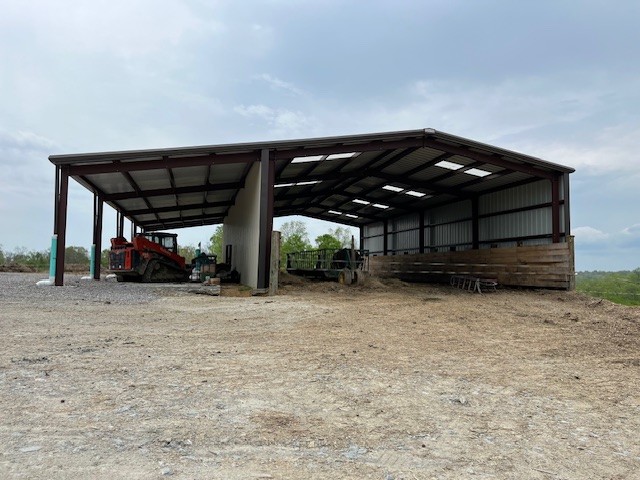
Large farm equipment represents one of the biggest investments on any agricultural operation. Tractors, combines, sprayers, planters, balers, and tillage equipment require proper protection to maintain performance, reduce repair costs, and extend service life. Leaving expensive machinery exposed to rain, snow, wind, and constant UV exposure often leads to corrosion, faded components, damaged electronics, and unnecessary maintenance.
Steel buildings provide an efficient, durable solution for protecting valuable agricultural equipment throughout every season. With clear-span interiors, customizable layouts, and long-lasting construction, these buildings create the space farmers need without interior columns interfering with equipment movement. Whether you manage a small family farm or a large commercial operation, thoughtful storage practices help maximize the value of every machine.
Why Proper Equipment Storage Matters
Modern agricultural equipment costs significantly more than it did even a decade ago. Today’s tractors and harvesters contain sophisticated electronics, precision GPS systems, hydraulic components, and emissions equipment that benefit from a protected environment.
Indoor storage helps reduce:
- Rust and corrosion
- Sun damage to paint and interiors
- Moisture-related electrical issues
- Tire deterioration
- Wildlife damage
- Premature wear on hydraulic seals
Protecting equipment also improves resale value while reducing downtime during busy planting and harvest seasons.
Choose a Building Large Enough for Future Growth
Many farmers focus only on today’s equipment inventory when selecting a building size. However, farms often expand machinery fleets as acreage increases or equipment technology changes.
Selecting a larger building from the beginning often proves more economical than replacing an undersized structure later.
Consider space for:
- Current equipment
- Future machinery purchases
- Implements stored separately
- Service areas
- Walkways
- Seasonal storage
A building with additional room allows equipment to move safely without constant repositioning.
Take Advantage of Clear-Span Interiors
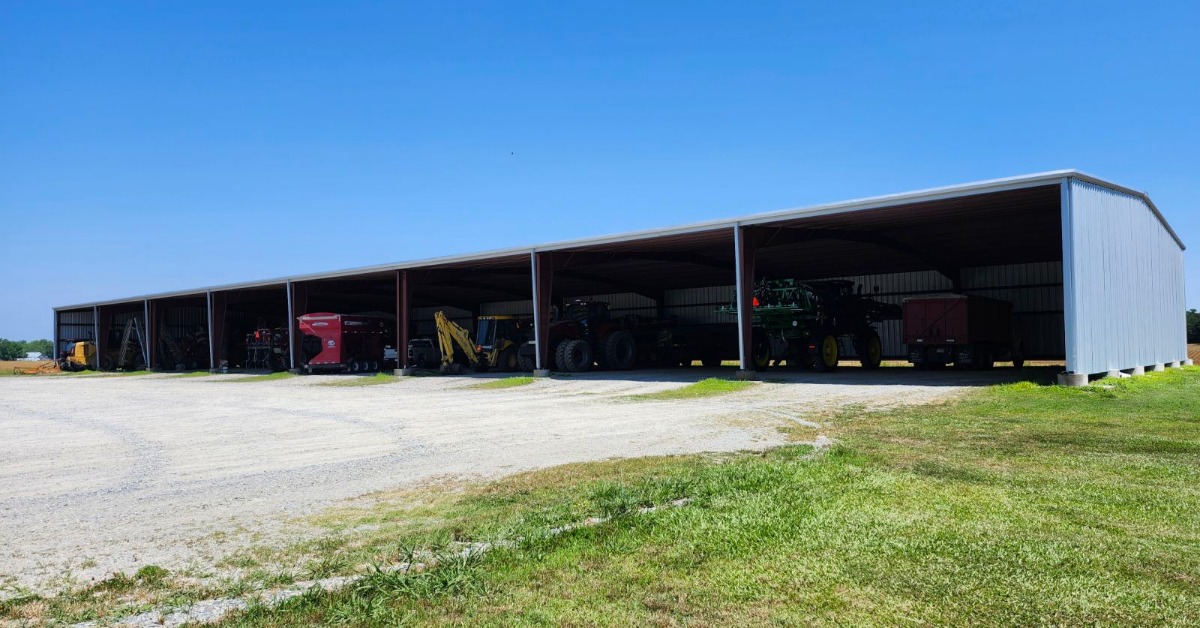
One of the greatest benefits of steel buildings involves clear-span construction. Without interior support columns, operators can drive combines, tractors, grain carts, and other oversized equipment directly into the building with fewer obstacles.
Clear-span layouts also allow greater flexibility when equipment changes over time. Farmers can reorganize storage without structural limitations, making the building useful for decades.
This open design supports efficient equipment movement during busy seasons when every minute counts.
Organize Equipment by Seasonal Use
Equipment organization improves efficiency throughout the year.
Machines used daily during planting should remain easily accessible. Equipment needed only during harvest or occasional maintenance can occupy deeper storage locations.
Many farm operators create designated areas for:
- Planting equipment
- Harvest equipment
- Hay equipment
- Livestock machinery
- Utility vehicles
- Attachments and implements
Logical organization reduces unnecessary equipment movement and lowers the chance of accidental damage.
Allow Plenty of Space Between Machines
Parking equipment too closely creates several problems. Operators have less room to maneuver, maintenance becomes difficult, and accidental contact becomes more likely.
Leave enough clearance to:
- Open tractor doors fully
- Access service panels
- Connect implements
- Inspect machinery
- Walk safely around equipment
Additional spacing also improves airflow throughout the building while making cleaning easier.
Install Large Doors for Easy Access
Door size directly affects the usefulness of any equipment storage building.
Modern combines, sprayers, and high-horsepower tractors often require substantial clearance. Oversized doors allow operators to enter without folding components or making difficult maneuvers.
When planning door placement, consider:
- Equipment height
- Implement width
- Turning radius
- Traffic flow
- Trailer access
Proper door placement saves time while reducing the likelihood of accidental damage during entry and exit.
Maintain Good Ventilation
Even enclosed equipment benefits from proper airflow.
Ventilation helps reduce condensation that may develop from changing temperatures. Excess moisture can encourage rust formation on exposed metal surfaces and create conditions that affect sensitive components.
Proper airflow also creates a more comfortable workspace when performing inspections or routine maintenance inside the building.
Keep the Interior Clean
A clean storage building protects equipment just as effectively as the building itself.
Dust, crop residue, fertilizer, and chemicals can accelerate corrosion or interfere with equipment performance over time.
Regular cleaning should include removing:
- Dirt buildup
- Mud
- Plant debris
- Chemical spills
- Loose hardware
- Standing water
Keeping floors clean also improves traction and creates a safer working environment.
Perform Maintenance Before Storage
Equipment should enter storage in good operating condition rather than waiting until the next season.
Routine maintenance before parking machinery helps prevent small problems from becoming expensive repairs.
Tasks often include checking fluids, inspecting belts, lubricating moving parts, cleaning equipment thoroughly, and replacing worn components.
Addressing maintenance immediately after seasonal use allows operators to identify repairs before equipment sits unused for several months.
Protect Tires During Long-Term Storage
Large agricultural tires represent a significant investment.
Although indoor storage reduces UV exposure, proper tire care remains important during extended storage periods.
Maintain manufacturer-recommended air pressure and inspect tires regularly for signs of wear or damage. Moving equipment occasionally during long storage periods may also help distribute weight differently across tire surfaces.
Indoor storage dramatically slows weather-related deterioration compared to outdoor parking.
Plan Storage Around Daily Workflow
An organized building should support the way farm operations actually function.
Consider which equipment leaves first during planting season, which machines return after harvest, and how service vehicles access stored machinery.
Thoughtful layouts reduce unnecessary equipment movement and improve overall operational efficiency.
Wide drive lanes, logical parking arrangements, and clearly defined storage zones allow multiple operators to work safely without congestion.
Include Space for Maintenance Activities
Many steel equipment buildings serve as both storage facilities and maintenance areas.
Allocating room for inspections, repairs, and routine servicing improves productivity throughout the year.
Combining storage and maintenance functions keeps equipment protected while simplifying routine service.
Consider Building Height Carefully
Equipment continues to grow larger every generation.
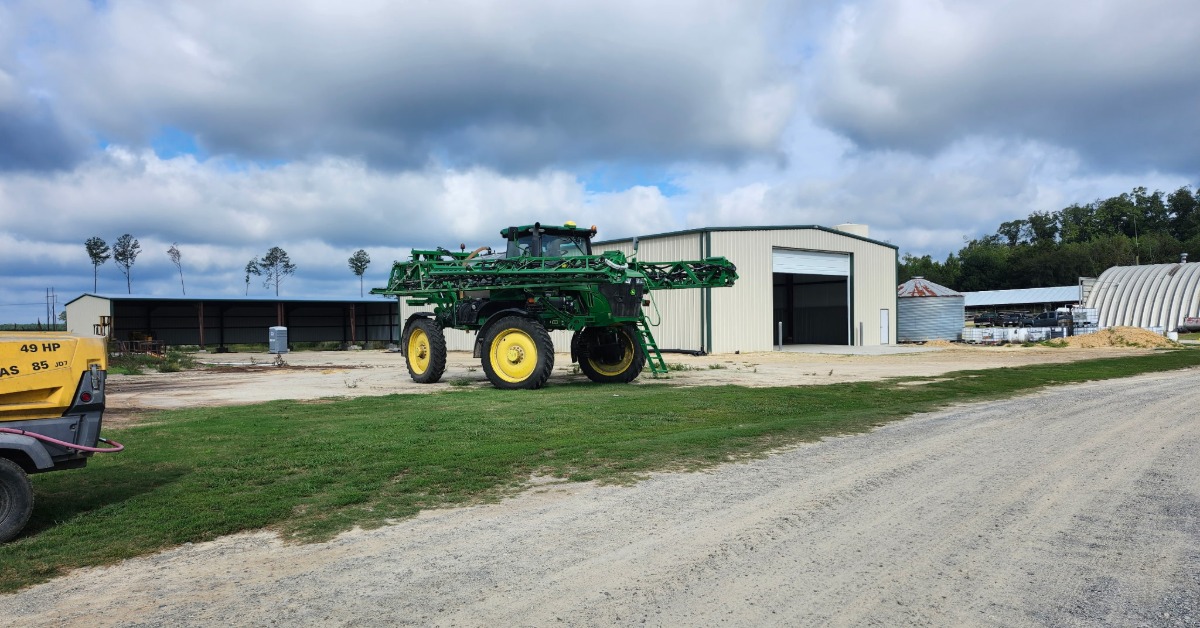
Modern combines, grain carts, and high-clearance sprayers require generous vertical clearance. Planning adequate building height prevents future limitations as machinery evolves.
A taller building also provides flexibility if equipment changes over the building’s lifespan.
Working with an experienced supplier helps ensure the building accommodates both current and future equipment needs.
Choose Durable Building Components
Agricultural buildings experience demanding conditions throughout the year.
Wind, heavy rain, snow loads, and changing temperatures place constant stress on building materials. High-quality steel components provide long-term durability while requiring relatively little maintenance.
Many farmers also explore metal barn kits when planning agricultural storage because they offer customizable layouts suitable for protecting machinery, feed, and other farm assets while maintaining the strength expected from steel construction.
Selecting quality materials helps protect the investment made in both the building and the equipment inside it.
Think Beyond Equipment Storage
Equipment storage buildings often serve multiple purposes over time.
As operations evolve, farmers may use portions of the building for inventory, feed storage, workshop space, or additional agricultural operations. Flexible layouts make it easier to adapt without constructing entirely new facilities.
A thoughtfully designed steel building continues providing value as operational needs change over many years.
Steel Buildings Offer Long-Term Value for Farm Equipment
Protecting large farm equipment requires more than simply moving machinery indoors. Building size, layout, ventilation, accessibility, organization, and maintenance all contribute to preserving expensive agricultural assets.
Steel buildings provide the durability, flexibility, and open interior space needed to support modern farming operations. Their clear-span designs accommodate oversized machinery while allowing efficient movement during the busiest times of the year. With proper planning, a steel building becomes more than equipment storage—it becomes an essential part of maintaining productivity, reducing repair costs, and protecting valuable investments season after season.
For farmers seeking a dependable storage solution, Arco Building Systems supplies high-quality red-iron steel building systems designed for agricultural applications. Since 1979, we’ve helped customers nationwide protect equipment, simplify operations, and invest confidently in durable building solutions built to meet long-term needs.