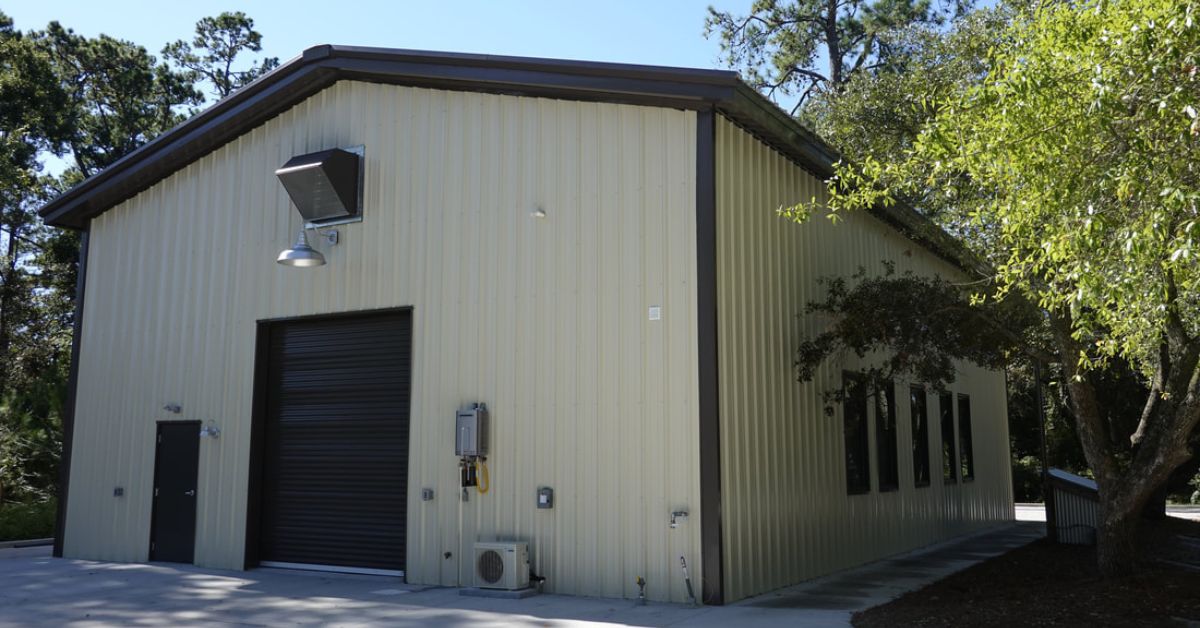
How Commercial Steel Buildings Help Businesses Scale Faster

How Commercial Steel Buildings Help Businesses Scale Faster
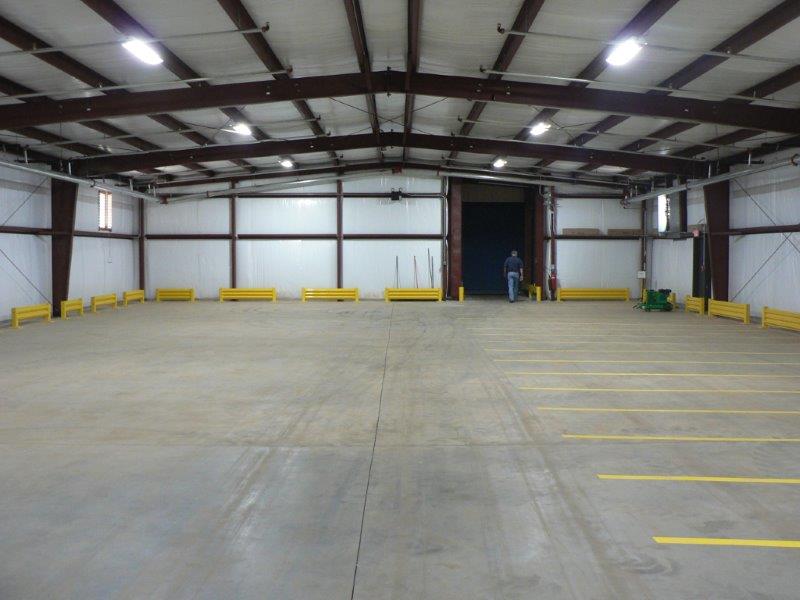
How Commercial Steel Buildings Help Businesses Scale Faster

Business growth often creates new challenges. A company may outgrow its current facility, need additional warehouse space, expand manufacturing operations, or open another location to meet customer demand. When that happens, choosing the right building solution becomes an important business decision.

Commercial steel buildings offer companies a practical way to support growth without unnecessary delays or excessive costs. Modern pre-engineered building systems provide flexible layouts, durable construction, and opportunities for future expansion that many traditional building methods cannot easily match.

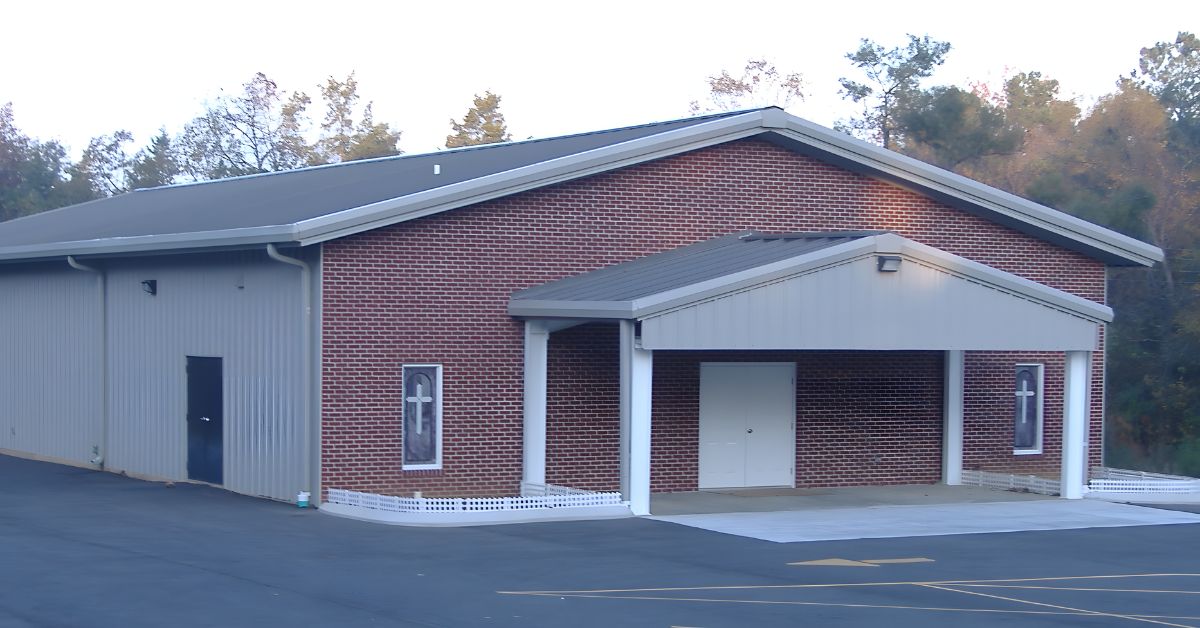
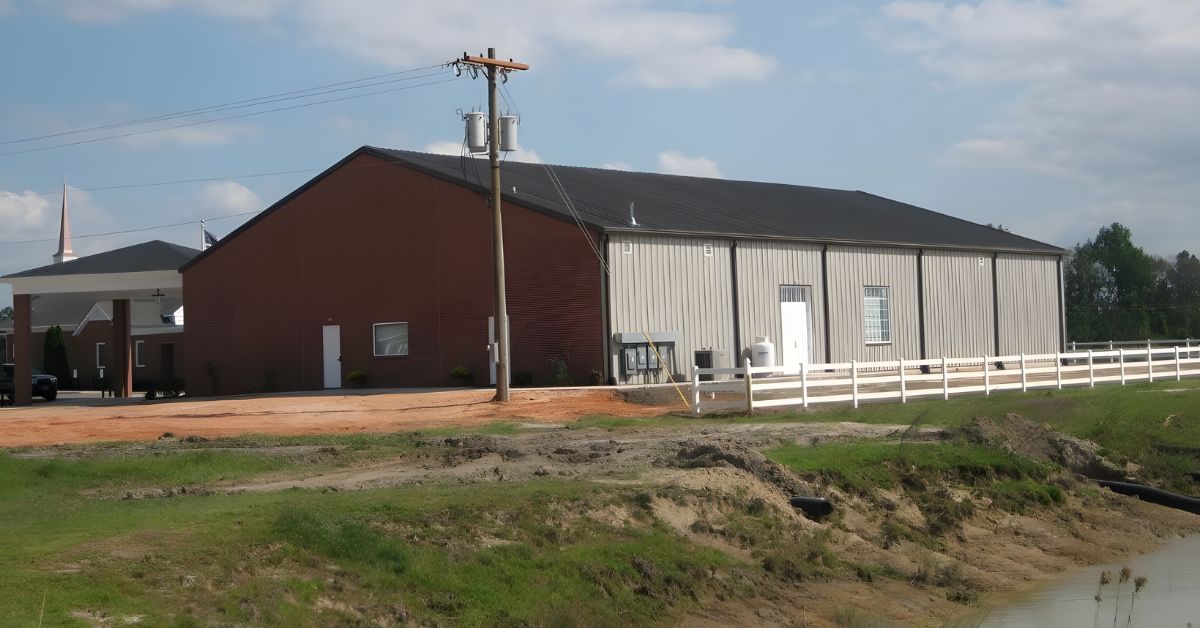
For decades, businesses across the country have relied on red-iron steel building systems because they provide long-term value while supporting a wide variety of industries. Companies can use them for warehouses, manufacturing facilities, retail locations, office space, distribution centers, automotive shops, churches, agricultural operations, and many other commercial applications. Arco Building Systems has supplied these building systems for decades while helping business owners, contractors, and developers plan projects that fit their operational needs.

Why Fast Expansion Matters for Growing Businesses

Every growing business eventually reaches a point where available space limits productivity. Inventory fills every corner of the warehouse. Equipment crowds the production floor. Employees work around storage limitations instead of focusing on efficiency.

Expanding into a larger facility helps businesses:

  • Increase production capacity
  • Improve workflow efficiency
  • Add employees comfortably
  • Store additional inventory
  • Create room for future growth

Choosing the right building system allows companies to solve today’s problems while preparing for tomorrow’s opportunities.

Commercial Steel Buildings Reduce Construction Timelines

Time often becomes one of the most valuable resources during an expansion project. Every month spent waiting for a new facility may limit production, delay deliveries, or postpone new revenue opportunities.

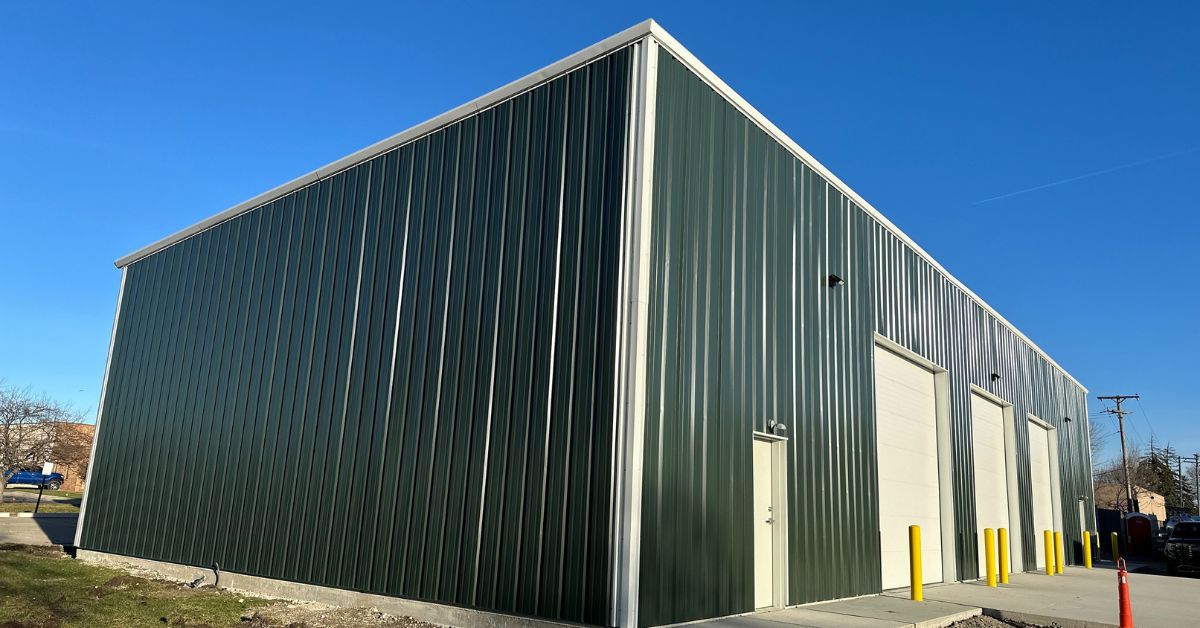
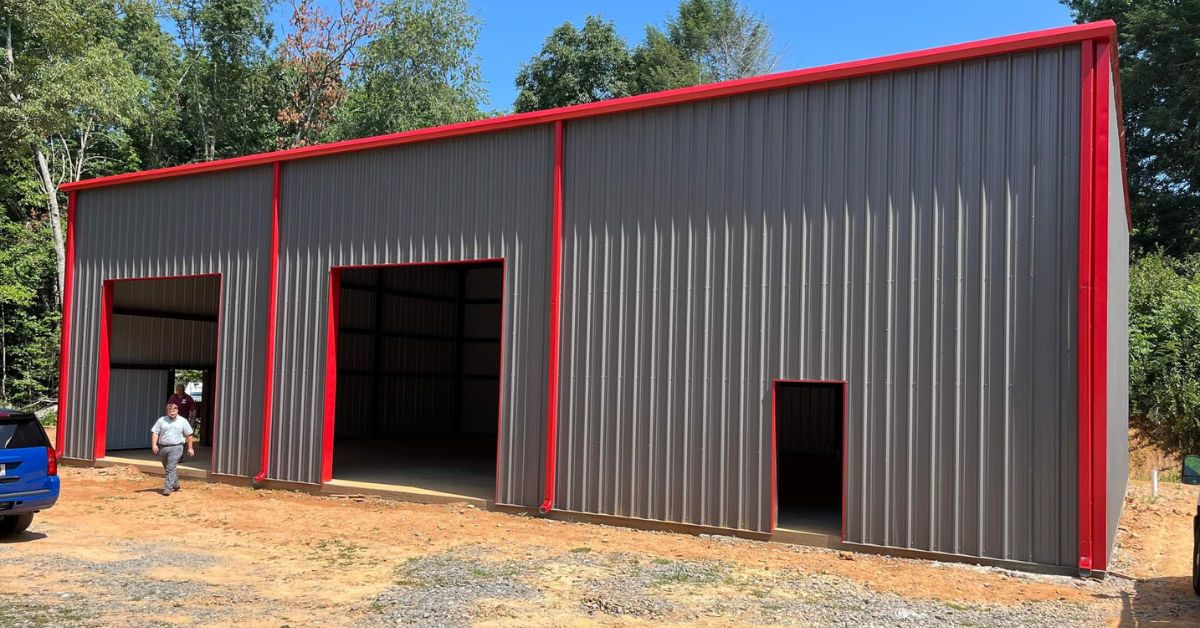
Commercial steel buildings simplify many phases of construction because manufacturers engineer the structural components before shipment. Building materials arrive ready for assembly rather than requiring extensive field fabrication.

Since the structural components follow engineered plans, contractors can focus on installation instead of modifying materials throughout the project. This streamlined process helps many projects move more efficiently from foundation through completion.
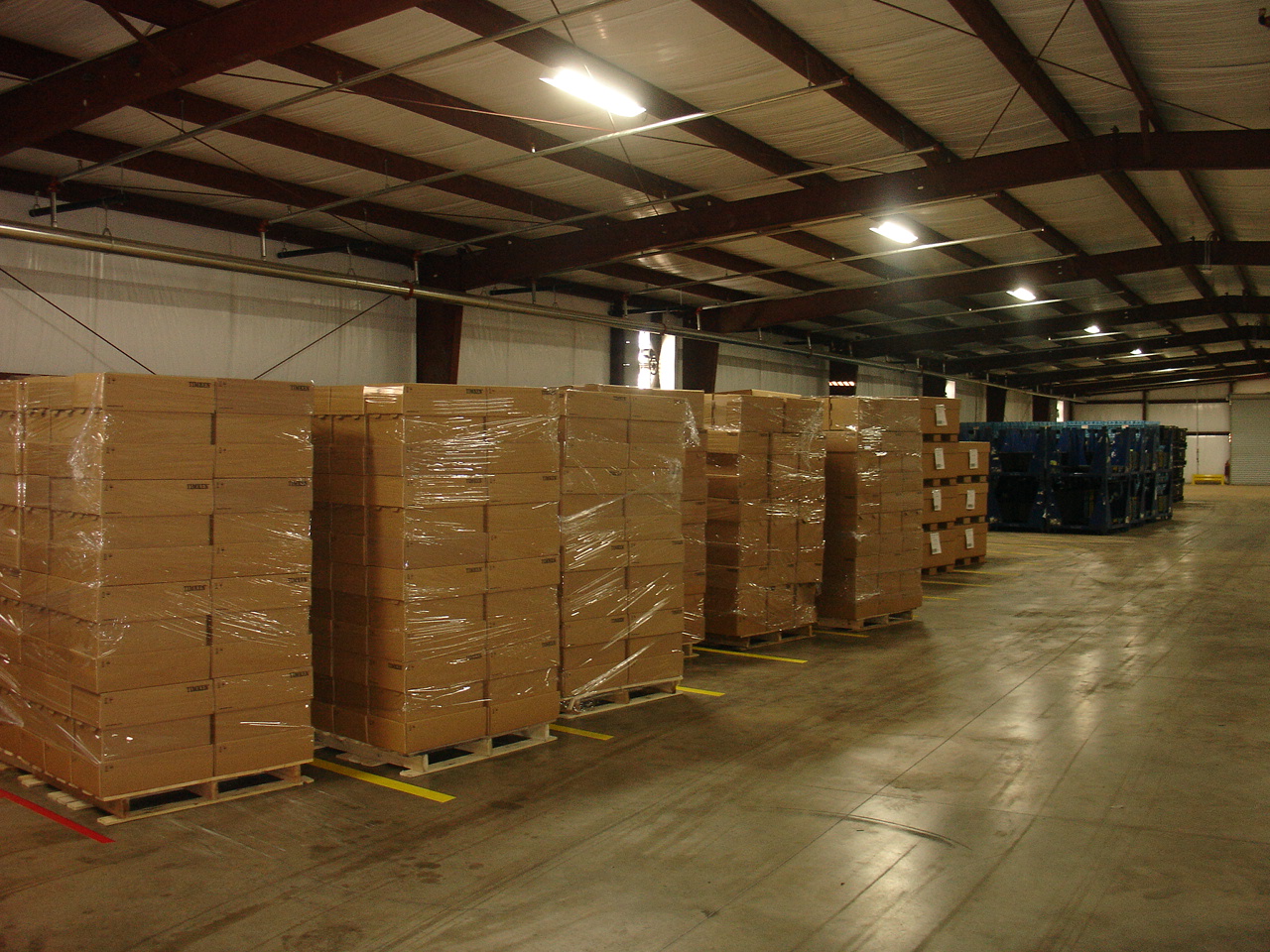
How Commercial Steel Buildings Help Businesses Scale Faster

Flexible Floor Plans Support Changing Business Needs

Businesses rarely operate exactly the same way for decades. Product lines evolve. Equipment changes. Staffing levels increase. Customer expectations shift.

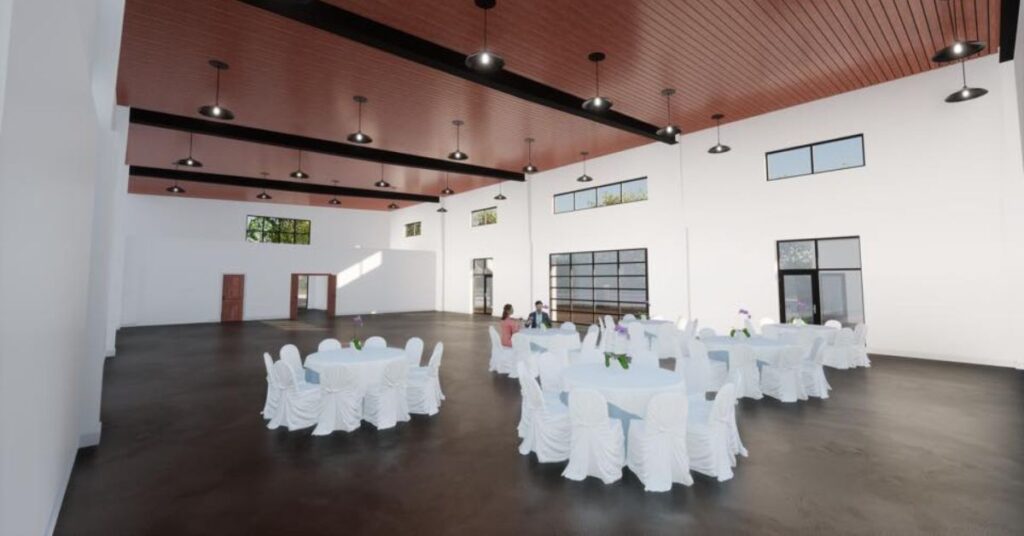
Commercial steel buildings provide open interior spaces that support these changing operational needs. Wide clear-span designs reduce the number of interior columns, allowing owners to configure workspaces that maximize productivity.

Many businesses use this flexibility for:

  • Warehouse storage
  • Manufacturing lines
  • Distribution operations
  • Retail showrooms
  • Office space
  • Vehicle service areas
  • Equipment storage

Open floor plans also make future renovations much simpler as business priorities change.

Businesses Can Expand Buildings Over Time

Many owners cannot justify constructing their ultimate facility during the first phase of growth. Instead, they need a building that accommodates current operations while allowing future expansion.

One advantage of commercial steel buildings involves their ability to accept additions later. As companies hire more employees, purchase additional equipment, or increase inventory, they can often extend the building rather than relocating to an entirely new property.

Planning for future expansion during the original design phase gives businesses greater flexibility while protecting their long-term investment.

Steel Construction Supports Lower Long-Term Maintenance

Building maintenance represents an ongoing operational expense that affects profitability.

Steel buildings require less routine maintenance than many traditional construction materials because steel resists many common issues associated with wood construction. Properly maintained steel structures also perform well under demanding commercial conditions.

Business owners often appreciate features such as:

  • Resistance to rot
  • Resistance to insect damage
  • Dimensional stability
  • Durable exterior panels
  • Long service life

Lower maintenance requirements allow owners to focus more time and resources on growing their business.

Custom Designs Match Different Industries

No two commercial operations have identical building requirements.

A warehouse requires different features than an automotive repair shop. A manufacturing facility has different needs than a retail store. Agricultural operations, churches, and aircraft hangars all require unique layouts.

Commercial steel buildings accommodate these differences through customizable designs that include various building widths, lengths, heights, door configurations, window placements, roof styles, and accessories. Arco Building Systems supplies red-iron building systems designed to meet a wide range of commercial applications while allowing customers to select options that fit their operations.

Durable Buildings Protect Valuable Investments

Commercial facilities often house expensive equipment, inventory, machinery, and vehicles.

A durable building helps protect those assets for decades. Steel offers exceptional strength while maintaining structural integrity under demanding environmental conditions when engineered to local building requirements.

Owners gain confidence knowing their building supports daily operations while protecting valuable business resources.

Durability also contributes to long-term financial planning because owners can continue using the same facility as their businesses evolve.

Efficient Space Improves Daily Operations

Building size alone does not determine operational efficiency. Interior layout often plays an even larger role.

Commercial steel buildings allow businesses to design workspaces that improve movement throughout the facility. Equipment placement, inventory storage, shipping areas, receiving docks, offices, and employee workstations can all fit into an organized layout that supports productivity.

Well-designed facilities help reduce unnecessary movement while improving workflow from one department to another.

As operations become more efficient, businesses often experience improvements in customer service, production capacity, and overall organization.

Modern Building Systems Support Professional Appearances

Customers, clients, investors, and employees all form impressions when they arrive at a commercial property.

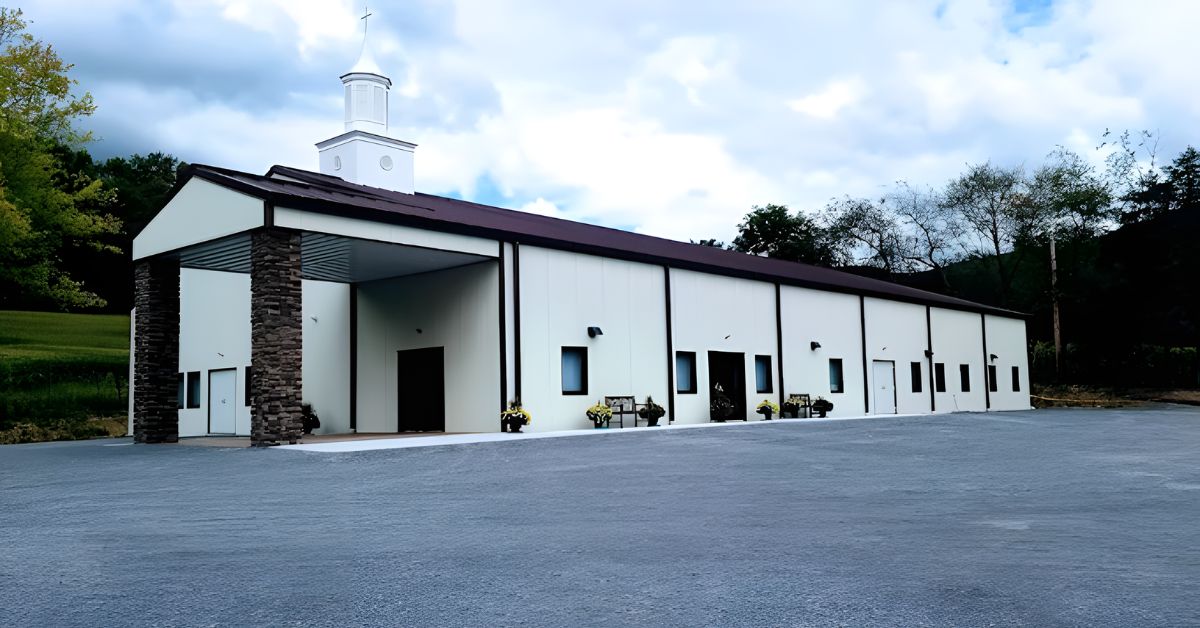
A clean, modern building presents a professional image that reflects positively on the business. Today’s commercial steel buildings offer attractive exterior finishes, multiple color choices, architectural accents, canopies, facades, and numerous accessory options that enhance curb appeal while maintaining the strength associated with steel construction.

Professional appearance matters whether a company operates:

  • Manufacturing facilities
  • Distribution centers
  • Corporate offices
  • Retail businesses
  • Service companies
  • Automotive operations

An attractive exterior reinforces customer confidence while supporting the company’s overall brand image.

Cost Predictability Helps Businesses Plan

Business owners appreciate predictable project costs when budgeting for expansion.

Because commercial steel buildings use engineered components manufactured before shipment, estimating material costs often becomes more straightforward than projects requiring extensive field fabrication.

Companies can evaluate building options based on their operational needs while making informed financial decisions.

Accurate planning also helps businesses coordinate financing, scheduling, staffing, and equipment purchases around the construction timeline.
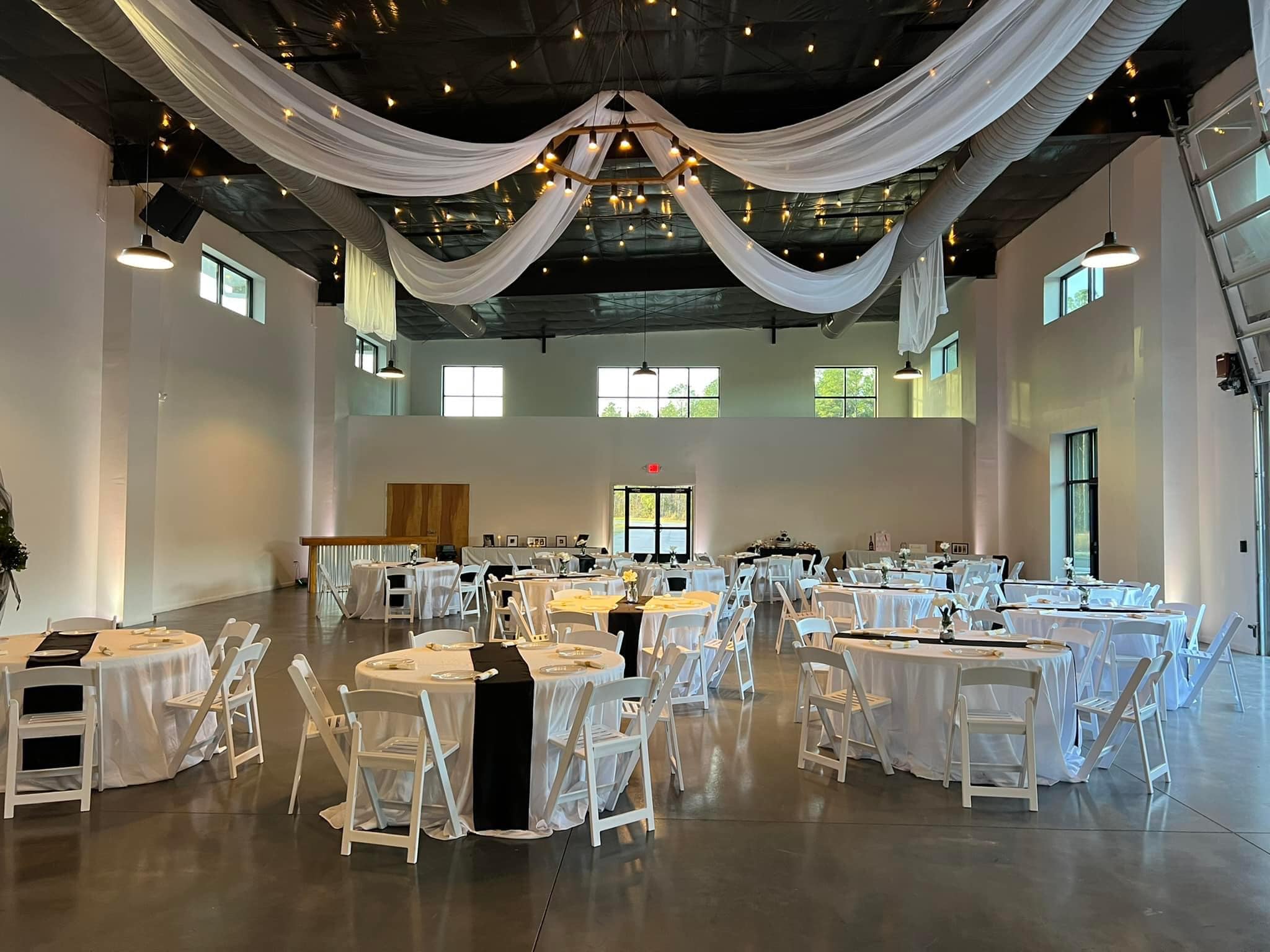
How Commercial Steel Buildings Help Businesses Scale Faster

Why Prefabricated Commercial Buildings Continue Growing in Demand

More companies continue choosing prefabricated commercial buildings because they combine efficiency, flexibility, durability, and long-term value in one building solution.

Business owners want facilities that support today’s operations while remaining adaptable for future growth. Pre-engineered steel systems accomplish that objective by providing customizable layouts, expandable designs, and dependable structural performance.

As businesses continue evolving, building flexibility becomes increasingly valuable.

Choosing the Right Building Partner Matters

Selecting the right supplier remains just as important as selecting the building itself.

Experienced suppliers help customers understand engineering requirements, available options, scheduling considerations, and customization opportunities. They also provide detailed quotations that clearly outline what each building package includes.

Arco Building Systems has supplied red-iron steel building systems since 1979 while serving contractors, developers, and business owners throughout the United States. We focus on providing quality materials, detailed planning, and personalized service throughout the building process. Our nationwide manufacturing network also helps optimize freight efficiency while supporting projects across many regions.

Building for the Future

Business growth creates exciting opportunities, but it also demands careful planning. The right commercial facility can improve productivity, support additional employees, accommodate more inventory, and position a company for continued success.

Commercial steel buildings provide businesses with durable, flexible, and customizable spaces that adapt as operations evolve. Their efficient construction process, open floor plans, expansion potential, and long-term durability make them an excellent solution for companies preparing for the next stage of growth.
Why Metal Building Kits Continue To Grow in Popularity

Why Metal Building Kits Continue To Grow in Popularity

Why Metal Building Kits Continue To Grow in Popularity

Metal building kits have become one of the fastest-growing construction solutions across commercial, industrial, agricultural, and personal applications. Businesses, property owners, contractors, and developers continue to choose them because they offer durability, design flexibility, predictable construction timelines, and long-term value.

Modern pre-engineered metal buildings have evolved far beyond simple storage structures. Today’s systems accommodate warehouses, manufacturing facilities, retail buildings, offices, churches, aviation hangars, riding arenas, workshops, and many other applications. Their versatility makes them an attractive option for projects of nearly every size.

As demand for efficient construction continues to rise, metal building kits remain a practical solution for owners who want dependable performance without unnecessary complexity.

Faster Construction Keeps Projects Moving

Construction schedules matter. Every week spent waiting for a building can delay operations, increase costs, and postpone revenue.

Pre-engineered metal buildings simplify much of the construction process because manufacturers engineer and fabricate the primary building components before shipment. Once materials arrive, contractors assemble the building according to engineered plans rather than fabricating major structural members on-site.

This streamlined approach often helps reduce weather delays, minimizes field modifications, and keeps projects progressing more efficiently than many traditional building methods.

For businesses operating on tight timelines, faster construction represents a significant advantage.

Durability Makes Metal Buildings a Long-Term Investment

Owners want buildings that perform well for decades with proper maintenance.

Metal building systems resist many of the issues that commonly affect other construction materials, including:

  • Rot
  • Warping
  • Termite damage
  • Mold caused by structural decay
  • Cracking from material shrinkage

Because steel maintains its structural integrity over time, owners often experience lower long-term maintenance requirements compared to other building materials.

That durability makes metal buildings an attractive choice for warehouses, manufacturing facilities, equipment storage, agricultural operations, and commercial properties.

Design Flexibility Fits Nearly Every Industry

Many people still picture a simple rectangular warehouse when they hear the words “metal building.”

Today’s systems offer much greater flexibility.

Manufacturers can customize buildings to accommodate varying widths, lengths, heights, roof styles, door openings, windows, canopies, insulation packages, and numerous accessory options. Businesses can tailor each building to support their workflow instead of forcing operations into a standard layout.

Whether someone needs office space, vehicle maintenance bays, retail storefronts, storage facilities, or equipment housing, a properly engineered metal building can meet those requirements.

Why Metal Building Kits Continue To Grow in Popularity

Clear Span Interiors Improve Usable Space

Interior columns can interfere with production, storage, and equipment movement.

Many metal building systems provide clear span designs that eliminate interior support columns across substantial widths. This open floor plan allows owners to organize equipment, inventory, machinery, shelving, or workstations more efficiently.

Large unobstructed spaces also improve flexibility as business needs evolve.

Instead of working around structural columns, owners can redesign layouts with fewer limitations.

Lower Maintenance Appeals to Property Owners

Steel buildings generally require less ongoing structural maintenance because they resist many problems associated with organic building materials. Owners can focus maintenance efforts on routine inspections, roof systems, doors, trim, and other standard building components instead of addressing structural deterioration.

That predictable maintenance schedule helps reduce unexpected expenses over the building’s lifespan.

Energy Efficiency Continues to Improve

Energy costs remain an important consideration for every building owner.

Modern metal buildings support a variety of insulation systems, reflective roof panels, ventilation options, daylighting features, and energy-efficient windows and doors. When owners select appropriate insulation and building components, they can significantly improve interior comfort while reducing heating and cooling demands.

Energy-conscious building design continues to make metal buildings more attractive across many industries.

Expansion Remains an Option for Growing Businesses

One advantage of many pre-engineered metal buildings involves the ability to plan for future expansion. Owners can often design buildings that accommodate additional length as operations grow.

Instead of relocating to a completely different property, businesses may have the opportunity to expand their existing facility when additional space becomes necessary.

That flexibility helps owners protect their original investment while preparing for future growth.

Modern Appearance Matches Commercial Expectations

Metal buildings no longer resemble purely industrial facilities.

Architectural trim, attractive color combinations, storefront glass, masonry accents, canopies, and upgraded entrance systems allow owners to create buildings that complement retail developments, office parks, churches, and commercial campuses.

A professionally designed exterior creates a welcoming appearance while maintaining all the structural benefits of pre-engineered construction.

This combination of function and aesthetics continues to increase their popularity.

Metal Buildings Support Many Different Applications

One reason metal buildings continue gaining market share involves their incredible versatility.

A single construction system can support numerous industries and property types, including manufacturing, distribution, agriculture, aviation, automotive service, retail, municipal facilities, recreational buildings, religious organizations, and self-storage developments.

Property owners appreciate working with one building solution that adapts to many different operational requirements.

Rather than selecting entirely different construction methods for each project, many developers choose metal buildings because they consistently perform across multiple applications.

Predictable Engineering Improves Project Planning

Construction projects involve many moving parts.

Pre-engineered building systems help create greater predictability because engineers design structural components specifically for each project’s requirements before fabrication begins.

Contractors receive engineered plans, fabricated framing members, roof panels, wall panels, and coordinated building components that work together as a complete system.

This level of planning helps reduce uncertainty during construction and allows project teams to coordinate schedules more effectively.

Strong Return on Investment Attracts Business Owners

Every construction decision ultimately comes down to value. Owners evaluate not only the initial construction investment but also long-term operating costs, maintenance expenses, durability, and future flexibility.

Metal buildings often perform well in all of these areas. Their combination of efficient construction, structural longevity, adaptable layouts, and relatively low maintenance creates lasting value throughout the life of the building.

For many organizations, that balanced return on investment outweighs selecting more traditional construction methods.

Why Metal Building Kits Continue To Grow in Popularity

Advances in Engineering Continue to Drive Demand

Engineering technology has improved substantially over the past several decades.

Modern software allows engineers to optimize structural systems while accounting for local building codes, wind loads, snow loads, and other project-specific requirements. Manufacturing precision has also improved, resulting in better component consistency and more efficient field assembly.

As engineering capabilities continue advancing, metal building systems become even more attractive for projects requiring dependable structural performance.

Businesses Appreciate Custom Solutions

Few commercial projects share identical requirements.

Some facilities require large overhead doors for heavy equipment. Others prioritize office space, storage capacity, loading docks, mezzanine-compatible layouts, or specialized ventilation systems. Modern metal building manufacturers can accommodate many of these project-specific needs through customized engineering and accessory selections.

This level of customization allows owners to receive a building that supports their operations rather than settling for a generic design.

Why Demand Shows No Signs of Slowing

Several long-term trends continue supporting the growth of metal building construction.

Businesses seek faster project completion, dependable structural performance, flexible layouts, and lower maintenance obligations. Property owners also value buildings that can adapt as operations change over time.

Arco Building Systems has supplied red-iron, pre-engineered building systems since 1979, providing engineered building materials for projects nationwide while emphasizing personalized service, quality materials, and support throughout the ordering process. Our focus on engineered red-iron building systems, customizable accessories, and buildings designed for commercial, industrial, agricultural, and specialty applications reflects many of the reasons metal buildings continue to gain popularity among today’s property owners.

Whether someone plans a warehouse, workshop, retail facility, church, equipment storage building, or manufacturing space, steel building kits continue to provide a practical combination of strength, efficiency, customization, and long-term value. Those qualities explain why they remain one of the fastest-growing construction solutions available today.

Easy Steps To Maintain Your Commercial Metal Building

Easy Steps To Maintain Your Commercial Metal Building

Easy Steps To Maintain Your Commercial Metal Building

You made a smart investment when you chose a metal building for your business. Steel is built to last for decades. But even the lowest-maintenance structures still require some upkeep. If you want your commercial metal building to stay in top condition and maintain its value for the long haul, here’s a list of easy steps to follow.

Key Takeaways

  • Inspect your commercial metal building at least once a year and after severe weather.
  • Keep the roof and gutters clear to prevent standing water, leaks, and corrosion.
  • Tighten loose fasteners and replace worn sealant around roof penetrations to maintain a watertight seal.
  • Repair scratches and rust spots quickly to protect metal panels from corrosion.
  • Maintain the seals on doors and windows to block out moisture, drafts, and pests.
  • Improve drainage around the foundation to prevent erosion and panel corrosion.
  • Check insulation and ventilation to reduce interior condensation.

Put a Routine Inspection Schedule in Place

You don’t need to inspect every square inch of your building every week, but you do need to complete at least one thorough inspection every year. A biannual schedule is even better, and it should also entail quick walkthroughs after any severe weather event.

During your inspections, you’re looking for anything that’s damaged or out of place, such as the following:

  • rust spots
  • standing water
  • dents
  • gaps in the sealant
  • loose fasteners
  • accumulated debris

Catching these things early might mean the difference between a five-minute fix and a multi-thousand-dollar repair.

Easy Steps To Maintain Your Commercial Metal Building

Mind the Roof

Your roof takes the brunt of everything the weather throws at it, which makes it your building’s most important line of defense.

Clear Debris

The biggest risk factor for a roof is natural debris (like leaves and dirt) accumulating on top and trapping moisture against the panels, as this encourages corrosion. After storms, clear off any accumulated debris as soon as it’s safe to do so. And if you’ve got gutters and downspouts on your building, check them at least twice a year and clear out any blockages. Clogged gutters force water to pool along the roofline, and that pooled water can work its way into seams and around fasteners. A clean, free-draining roof stays dry, and a dry roof lasts longer.

Tighten Fasteners

Roof fasteners can back out over time due to thermal expansion and contraction. If you notice any fasteners that look raised or loose during your inspections, re-tighten them. Replace any corroded fasteners.

Redo Sealant

The sealant around penetrations like HVAC units, skylights, vents, and pipe boots also breaks down with age. Run your hand along these areas and use a flashlight to look for cracking or shrinking, which shows up as gaps between the sealant and the roof. If necessary, re-caulk degraded portions.

Protect the Exterior Panels From Corrosion

The steel panels made for modern metal buildings come with factory-applied coatings that protect against corrosion, but those coatings aren’t invincible. Any scratches can expose the underlying steel, which then becomes a point of vulnerability.

Buy a touch-up kit that matches your building’s finish, and use it promptly on any damaged areas to keep the underlying steel sealed off from moisture.

If you spot a rust stain on your panels, don’t assume it’s coming from the panels themselves. In many cases, rust staining on metal buildings comes from a nearby source, like a metal roof vent or a rusting piece of equipment stored against the wall. Identify the source first, then treat the panel.

For corrosion on the panels themselves, wire-brush the affected area down to clean metal, apply a rust-inhibiting primer, and then re-coat with a compatible exterior paint. Doing this at the first sign of rust stops it from spreading beneath the panel coating, where it becomes much harder to address.

Inspect and Maintain Doors and Windows

A door or window that doesn’t seal properly lets in moisture, drafts, and pests. Therefore, you want to check all door hardware, including hinges, latches, rollers, and tracks, on a regular basis. Lubricate moving parts with a silicone-based lubricant at least once a year.

Additionally, check the weatherstripping around all entry doors and replace it when it no longer creates a tight seal. Gaps here let in moisture and increase your heating and cooling costs.

Easy Steps To Maintain Your Commercial Metal Building

Manage Water and Drainage Around the Foundation

Water that pools near your foundation is one of the most damaging things your building can face. Given enough time, standing water works into the base angle of your building, which accelerates corrosion at the base of the panels and can cause settling or erosion of the concrete slab.

Evaluate the Land’s Grading

After a heavy rain, take a walk around the perimeter of your building and check for spots where water is collecting. The ground around your building should slope away from the foundation at a rate of at least 6 inches over 10 feet. If you’ve got areas where water is running toward the building, you’ll want to re-grade the soil or add drainage solutions like French drains or swales.

Keep Vegetation Under Control

You should also keep vegetation trimmed back from the building’s base. Shrubs and overgrown grass can hold moisture against the panels and foundation, and the roots of hardy plants can eventually crack your concrete slab.

Keep Insulation in Good Shape

Good insulation does two things for your commercial metal building: It keeps your interior temperature stable, and it prevents condensation from forming on the interior surface of your panels.

Condensation is one of the sneakiest sources of corrosion in metal buildings because it builds up on the inside where you can’t easily see it.

Check your insulation annually for any signs of compression or gaps that have opened up along the edges. If you’re noticing condensation on the interior walls or ceiling, that’s a sign that your insulation has a gap or that it’s simply no longer performing as it should. Address it before the moisture problem compounds into a corrosion issue.

Evaluate Ventilation

Your building’s interior can generate moisture from everyday operations, whether that’s from equipment, humidity from workers, cooking, or any other process that releases steam or water vapor. If that moisture doesn’t have a way to escape, it condenses on the steel frame and panels.

So make sure your building has adequate ventilation for the activities happening inside it. Ridge vents, louvers, and exhaust fans all move humid air out of the building and replace it with drier outside air. If your operation has changed since the building was first installed, you may need to re-evaluate whether your ventilation is still adequate for the current use.

Stay on Top of Pest Control

Steel buildings are much, much less vulnerable to pests than wooden structures are, but desperate critters will try to hole up almost anywhere.

Seal any gaps you find around penetrations and main entry points. Check the condition of all door bottom seals. And if you’re seeing signs of pest activity inside your building, call a licensed pest control professional.

You’ve Got Everything You Need to Protect Your Investment

Stay on top of these easy steps, and you should be able to maintain your commercial metal building for the long haul. The buildings that last the longest are the ones owned by people who stay on top of the basics.

At Arco, our commercial metal buildings are built with long-term durability in mind from day one. Contact us to inquire about a new prefabricated red iron steel structure for your operations or get advice for maintaining the one you already own.

Which Flooring Option Is Best for Your Steel Building?

Which Flooring Option Is Best for Your Steel Building?

Which Flooring Option Is Best for Your Steel Building?

When putting together a steel building, you can’t forget about the base of each room. The flooring material you select will impact each area’s durability and quality. Therefore, the type of flooring needs to complement the building’s purpose and maintenance requirements.

To ensure you make the right decision, you must first understand the strengths and limitations of the main flooring options. Once you do, you’ll be able to choose the flooring option that best suits your new steel building.

Concrete Flooring: The Durable Standard

Concrete is the most popular flooring option for steel structures for good reason. This robust material can handle almost anything you throw at it, from heavy machinery to daily foot traffic.

But what makes concrete so effective? For starters, its incredible durability means it can withstand high-pressure loads without cracking or wearing down quickly. Additionally, concrete is relatively budget-friendly, especially when covering expansive areas. Its low long-term maintenance requirements make it a practical choice for reducing operating costs.

However, concrete isn’t without its drawbacks. Left untreated, it can feel cold and uninviting, which might not suit office spaces or customer-facing establishments. The curing process can also extend the construction timeline, so proper planning is key. Furthermore, the hard, unyielding surface lacks any cushioning, which can be uncomfortable for people who have to stand all day.

Due to these factors, concrete flooring is ideal for industrial facilities, garages, agricultural buildings, and large-scale storage spaces. Want a more refined look? Polished or stamped concrete can add aesthetic value while keeping all the functionality intact.

Epoxy Flooring: The Seamless Upgrade

Epoxy flooring is a specialized coating applied over concrete that brings a range of benefits. This tough, seamless surface is incredibly resistant to wear and tear. It’s one of the best flooring options for steel buildings because it will elevate the building’s design and performance.

Epoxy has a clean, professional look; the glossy finish makes interiors feel modern and look cared for. Better yet, you can customize epoxy to include colors, textures, and decorative patterns for a polished, unique aesthetic. The hygienic, easy-to-clean surface is another plus for businesses that prioritize sanitation.

On the downside, epoxy installation costs come with a high cost because professional application is necessary. Over time, if not adequately maintained, epoxy can develop noticeable scratches or discoloration, limiting its overall lifespan.

For settings like commercial garages, medical facilities, industrial workshops, and auto shop buildings, epoxy is an excellent choice. Its balance of durability and aesthetics helps elevate the form and function of many steel structures.

Which Flooring Option Is Best for Your Steel Building?

Vinyl Flooring: Budget-Friendly Versatility

Vinyl flooring has come a long way in recent years, and it now provides an accessible and versatile option for steel buildings that need both style and substance. Vinyl is notably budget friendly. Plus, it comes in a variety of finishes, including those that mimic wood or stone, allowing you to achieve a high-end look without breaking the bank.

This flooring type also earns points for its water resistance and ease of maintenance. You’ll be able to quickly clean up any spills or stains with ease. Additionally, vinyl’s slight flexibility provides a more comfortable experience underfoot compared to harder surfaces.

Still, it’s worth noting that vinyl is not as durable as concrete. That means it might not be able to withstand constant heavy loads, machinery, or extreme temperature fluctuations well. For spaces with high foot traffic or exposure to sharp objects, vinyl may wear out faster than you’d prefer.

Therefore, vinyl flooring is worth considering for offices, retail areas, and other climate-controlled spaces that don’t need to withstand the same levels of heavy-duty use as industrial settings. If you’re seeking an affordable and stylish solution for spaces with light to moderate traffic, then this option might be for you.

Rubber Flooring: Practical and Protective

Rubber flooring might not be the most popular, but it’s about as practical as it gets, especially for spaces that prioritize safety, durability, and functionality over style. This soft, shock-absorbent material is the go-to choice for spaces where slip resistance and noise reduction are essential.

One of rubber’s most valuable benefits is its ability to withstand impacts, whether it’s from fitness equipment falling to the ground or heavy tools being dropped. It also provides a protective layer between your subfloor and machinery, helping to reduce vibrations and extend equipment life. Additionally, its anti-slip properties ensure a safer environment in wet or high-moisture areas.

On the flip side, rubber flooring has limited aesthetic options. It often carries a utilitarian look that may not suit more formal or customer-facing spaces. Furthermore, its cost can be higher than alternatives like vinyl, especially for premium-grade rubber materials.

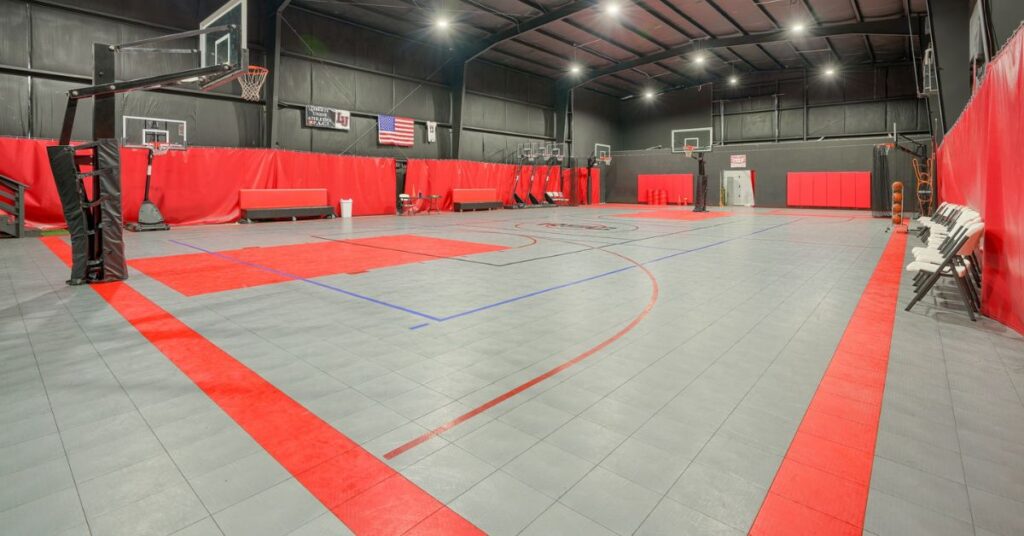
That’s why rubber flooring is best suited for environments like fitness centers, industrial workspaces, and areas that prioritize safety and durability. Fortunately, its quick and easy installation via interlocking tiles also makes it a flexible option when repairs or upgrades are necessary.

Which Flooring Option Is Best for Your Steel Building?

Tile Flooring: Sleek Durability

For spaces that need a professional finish without sacrificing strength, tile flooring is an excellent solution. Ceramic or porcelain tiles are highly durable and resistant to scratches, stains, and moisture, a combination that’s not always easy to find.

The best part about tiles is that they offer an unmatched combination of functionality and design. They come in a wide range of customizable options, allowing you to pick a style that reflects your brand or personal style. The easy-to-clean surface is another noteworthy advantage, as tile floors require minimal upkeep to stay in top condition.

Unfortunately, tile flooring does carry higher installation costs than vinyl or rubber, especially when factoring in the need for a solid subfloor. Tiles can also feel hard and cold underfoot, which might detract from their appeal in spaces where comfort is a priority.

Still, tile flooring excels in offices, customer-facing retail spaces, and showrooms where visual impression is just as important as durability. If you decide to use them, consider using patterned tiles to add a unique focal point to your interior design while maintaining practicality.

How To Keep Your Steel Building Cool During the Summer

How To Keep Your Steel Building Cool During the Summer

How To Keep Your Steel Building Cool During the Summer

Prefabricated steel buildings are renowned for their durability, affordability, and adaptability, making them a popular choice for everything from warehouses and workshops to aircraft hangars and churches. However, steel has one notable drawback: it conducts and retains heat more effectively than many other building materials. Without proper precautions, steel buildings can quickly become uncomfortably warm, making them inefficient and even unusable in extreme heat.

Thankfully, with the right strategies, you can make your building more comfortable and energy-efficient all summer long. Below, we explore the most practical methods to keep your steel building cool during the summer.

Prioritize Proper Insulation

Insulation is the crux of climate control for any building, and steel structures are no exception. Good insulation keeps indoor spaces cooler during summer and warmer in winter by preventing heat transfer between the building’s exterior and interior. Insulation will also drastically reduce your reliance on air-conditioning, lowering monthly utility costs this summer.

Spray foam insulation is sometimes used on prefabricated steel buildings, as it adheres tightly to metal surfaces and effectively seals small cracks and crevices. This dual function promotes optimal energy efficiency.  However, it is not recommended because most manufacturers void the warranty if spray foam is used as it restricts the movement of the building components and causes moisture to be retained against the metal panels which can cause rust. 

Fiberglass batts are another common insulation option. Lightweight and easy to install, batts are a cost-effective choice for wall and roof insulation. However, the batts need a tight fit to avoid air leaks.

If durability is your top concern, use rigid foam panels. This form of insulation is excellent for its high-resistance thermal control, and you can install the panels on various sections of your structure.

Adding insulation to a preexisting steel building can be a bit more challenging because retrofitting may involve removing wall panels or adding them to crawl spaces and ceilings. That said, retrofitting is still usually well worth the investment. That said, take the time to inspect the existing insulation for wear or damage every year so it stays in good condition.  Do check with the manufacturer to get recommendations and make sure your warranty is not accidentally voided. 

Install a Cool Roof

A structure’s roof impacts how much heat a building absorbs, particularly in hot, sunny climates. Steel roofs, in particular, can quickly become hot to the touch under direct sunlight, which then radiates heat into the interior. Installing a cool roof is a highly effective way to counteract this heat buildup.

The design of cool roofs reflects sunlight, allowing the roof to absorb less heat than standard roofing materials. One popular approach to implementing this design is applying reflective coatings directly on the roof. These coatings use advanced materials that bounce solar radiation away from the building, keeping the roof cooler.

If yours is a refabricated steel structure, then you have the option to use roof panels with integrated reflective properties, which offer a long-term solution with minimal maintenance needs.

The advantages of a cool roof extend beyond improved temperature control, though. By minimizing heat absorption, cool roofs also increase the longevity of the roofing material itself. Rapid heating and cooling cycles cause expansion and contraction, which can weaken steel roofs over time. A cool roof mitigates this stress.

How To Keep Your Steel Building Cool During the Summer

Optimize Ventilation Systems

Ventilation systems keep the air inside your steel building fresh and cool. Without proper airflow, heat can build up and stagnate, making the structure uncomfortable for everyone inside. Steel buildings can benefit from multiple ventilation strategies to regulate indoor temperatures and eliminate trapped hot air.

One go-to solution for many steel building owners is to install ridge vents along the highest points of the roof. The vents allow hot air to escape naturally, taking advantage of the fact that warm air rises. Exhaust fans provide additional support by actively pulling warm air out of the building. Proper placement of windows and intake vents on opposite walls can also promote cross-ventilation, allowing cooler air to flow in as warm air exits.

While ventilation creates a foundation for managing heat, pairing it with an air-conditioning system offers even more control. While some warehouses might be OK without them, community-focused structures, like steel church buildings, absolutely need a functioning AC unit.

AC systems work exceptionally well in buildings with specific cooling needs, such as workshops with heat-generating equipment or storage facilities housing sensitive materials. To maximize their performance, consider choosing cooling units with high Seasonal Energy Efficiency Ratio (SEER) ratings, as these ACs operate more efficiently and offer long-term energy savings.

Incorporate Effective Shading

Adding shade to a steel structure is a simple yet powerful tool for reducing heat exposure. By blocking direct sunlight, shading cools the building’s exterior and the surrounding environment. This cooling strategy can be incredibly versatile, depending on the layout of your building and its location.

For instance, awnings or overhangs above entryways and windows can block sunlight while still allowing airflow. These additions are particularly effective for rooms with large sun-facing windows, as they reduce indoor heat gain. Shade screens are another lightweight option that works well to deflect sunlight and minimize glare.

Landscaping also provides natural shading solutions. If you haven’t yet built your steel structure, select a well-shaded spot. Otherwise, plant deciduous trees strategically around your building so the foliage blocks sunlight during summer while letting light pass through when the leaves shed in winter. Shrubs and climbing vines can help too, effectively shading lower sections of the building.

How To Keep Your Steel Building Cool During the Summer

Consider Light-Colored Paints

Here’s another method you can use to keep your steel building cool during the summer: paint the structure a lighter color. Darker colors like black or deep blue tend to absorb more sunlight, converting it into heat. Lighter tones, however, reflect more sunlight, keeping temperatures lower inside your building.

When repainting a steel structure, consider shades like white, cream, beige, or soft gray. These colors help with temperature regulation and give the building a clean, modern look. Select paints designed for metal buildings for the best results, as these formulas include more reflective properties and will adhere to the surface more easily.

Repainting is an excellent opportunity to increase your building’s energy efficiency while also refreshing its appearance. Whether your building is undergoing routine maintenance or a full-scale renovation, choosing light-colored or reflective finishes is an easy yet impactful upgrade to implement.

The Benefits of Steel Over Wood for Commercial Buildings

The Benefits of Steel Over Wood for Commercial Buildings

The Benefits of Steel Over Wood for Commercial Buildings

When planning a commercial building project, there are many decisions you’ll need to make, but none are as important as the material you decide to use for constructing it. In many cases, you’ll have to choose between steel and wood. While wood has traditionally dominated residential construction, steel offers compelling advantages that make it the superior choice for commercial applications.

Each factor contributes to a building solution that not only meets your immediate needs but also provides long-term value that wood simply cannot match. Understanding all of the key benefits of choosing steel over wood for your commercial building can help you make an informed decision that protects your investment and supports your business goals for decades to come.

Unmatched Durability That Protects Your Investment

Steel’s superior durability is one of the many things that set it apart from wood. Unlike wood, steel is completely immune to termites, carpenter ants, and many other destructive pests that can compromise structural integrity over time. This natural resistance eliminates the need for costly pest control treatments and reduces the risk of unexpected structural damage.

Weather resistance represents another crucial durability-based advantage. Steel framing won’t warp, split, or crack under extreme temperature fluctuations. While wood expands and contracts with humidity changes, potentially causing structural issues, steel maintains its dimensional stability regardless of weather conditions. This consistency protects your building’s integrity and reduces maintenance requirements.

Fire resistance further enhances steel’s durability profile. While not immune to flames, steel structures can withstand extreme heat without combusting, providing valuable time for evacuation and firefighting efforts.

The longevity of steel construction means your commercial building will maintain its structural integrity for generations. While wood structures may require significant repairs or renovations within 20-30 years, properly constructed steel buildings can last 50-100 years with minimal maintenance.

Long-Term Cost Benefits That Improve Your Bottom Line

Although steel may require a higher initial investment compared to wood, the long-term cost benefits make it the more economical choice for commercial construction. Maintenance costs for steel buildings, for example, are significantly lower because steel doesn’t require regular treatments for pests, rot, or weather damage that wood structures need.

On top of that, insurance companies recognize steel’s superior safety profile, often offering reduced premiums for steel-framed commercial buildings. The fire resistance and structural stability of steel translate to lower risk assessments, putting more money back in your pocket year after year.

Energy efficiency represents another area where steel construction delivers cost savings. Steel buildings can accommodate higher levels of insulation more effectively than wood frames, reducing heating and cooling costs throughout the building’s lifespan. The thermal bridging that occurs in wood construction is minimized with steel framing systems designed for energy efficiency.

You should also be aware of the fact that reduced construction waste can contribute to potential cost savings. Steel components are manufactured to precise specifications, minimizing on-site cutting and waste disposal costs. This precision manufacturing lowers material costs and speeds up the construction process.

The Benefits of Steel Over Wood for Commercial Buildings

Design Flexibility That Supports Your Vision

Steel’s strength-to-weight ratio enables architectural possibilities that wood cannot achieve. Since many commercial buildings often require large, open spaces for operations, storage, or assembly areas. Steel framing can span greater distances without interior support columns, creating the flexible spaces your business needs.

This structural capability allows for easier modifications and expansions in the future. As your business grows or changes, steel buildings can be more easily modified to accommodate new requirements. Adding doors, windows, or even entire sections becomes more straightforward with steel construction.

The precision of steel manufacturing also supports architectural accuracy. Many components arrive at the construction site ready for assembly, ensuring that the final structure matches design specifications exactly. This precision reduces construction delays and helps maintain project budgets.

Environmental Responsibility Through Sustainable Construction

Another benefit of steel over wood as the material of choice for a commercial building is that steel supports environmental sustainability goals in a variety of ways. First of all, steel is one of the most recycled materials on earth. Not only does this help when initially putting together your structure, but when your building eventually reaches the end of its useful life, the steel components retain value, allowing you to recycle them into new products.

The manufacturing process for structural steel has also become increasingly efficient, with modern steel production using recycled content and reducing energy consumption. A large portion of many steel products contains recycled materials, reducing the environmental impact of new construction.

The longevity of steel buildings contributes to environmental benefits as well. A structure that lasts twice as long as wood construction reduces the ecological impact per year of use, making steel the more sustainable long-term choice.

On top of that, while energy-intensive, steel production doesn’t contribute to deforestation or habitat destruction. For businesses committed to environmental responsibility, steel construction aligns with many sustainability objectives.

The Benefits of Steel Over Wood for Commercial Buildings

Faster Construction Timeline That Gets You Operational Sooner

Construction speed represents a critical advantage for commercial projects where time translates directly to revenue potential. Steel is great here because many building components arrive at the construction site pre-engineered and ready for assembly. This precision manufacturing eliminates time-consuming on-site modifications that wood construction often requires.

It’s also worth noting that weather delays affect steel construction less than wood projects. Steel components aren’t damaged by moisture during construction, allowing work to continue in conditions that would halt wood framing. This weather resistance keeps projects on schedule and reduces delays that can impact your business timeline.

The assembly process for steel buildings requires fewer skilled trades than traditional wood construction. Pre-engineered components fit together with precision, reducing the complexity of construction and minimizing the potential for errors that cause delays.

Foundation requirements for steel buildings are often simpler than wood structures because steel’s strength allows for more efficient load distribution. This advantage can reduce foundation costs and construction time, resulting in faster project completion.

Finally, quality control becomes more predictable with steel construction because components are manufactured in controlled factory environments rather than assembled entirely on-site. This controlled manufacturing process reduces variables that can cause construction delays and ensures consistent quality throughout your building.

How To Get Started With Steel

If you’re now convinced that steel is your best bet for your next commercial building, it’s time to start planning. Fortunately, Arco Building Systems is here to help. We specialize in providing commercial steel buildings that work for many different types of businesses. So take the time to see what we offer to determine if our services are right for you.

Why High-Quality Steel Buildings Are the Best Investment for Modern Businesses

Why High-Quality Steel Buildings Are the Best Investment for Modern Businesses

High-Quality Steel Buildings

In today’s competitive business environment, companies must make strategic decisions regarding infrastructure to ensure sustainability, efficiency, and profitability. High-quality steel buildings have become the go-to solution for modern businesses seeking durable and adaptable structures. 

This blog will explore why investing in high-quality steel buildings is the best choice for contemporary enterprises, highlighting their numerous benefits and the various applications that make them an ideal investment.

1. Durability and Longevity

High-quality steel buildings offer unparalleled durability and longevity, making them a wise investment for any business. Steel is inherently strong and resistant to a wide range of environmental factors that can damage other building materials.

  • Weather Resistance: Steel structures are highly resistant to extreme weather conditions, including heavy snow, strong winds, and earthquakes. This resilience ensures the safety and longevity of the building.
  • Pest and Fire Resistance: Unlike wood, steel is impervious to termites and other pests. Additionally, steel buildings are non-combustible, reducing the risk of fire damage and enhancing overall safety.
  • Minimal Maintenance: The durability of steel means that these buildings require less maintenance over time, translating to lower upkeep costs and a better return on investment.

2. Flexibility and Adaptability

Modern businesses need flexible infrastructure that can adapt to changing needs. High-quality steel buildings offer unparalleled flexibility, making them suitable for various applications.

  • Customizable Designs: Steel buildings can be customized to meet specific business requirements, whether it’s an open-plan office, a retail space, or a warehouse. This adaptability allows businesses to optimize their operations and workflows.
  • Easy Expansion: As businesses grow, so do their space requirements. Steel commercial buildings can be easily expanded or reconfigured, providing a scalable solution that accommodates future growth.
  • Versatile Applications: From industrial facilities to commercial spaces and agricultural buildings, steel structures are versatile and can be used for a wide range of purposes.

3. Cost-Effectiveness

Investing in high-quality steel buildings can be a cost-effective solution for businesses, offering both immediate and long-term financial benefits.

  • Lower Construction Costs: Steel buildings are often quicker to construct than traditional buildings, reducing labor costs and shortening the construction timeline. Prefabricated components further streamline the building process.
  • Energy Efficiency: Modern steel structures can be designed with energy efficiency in mind, incorporating insulation, energy-efficient windows, and solar panels. This reduces energy consumption and lowers utility bills.
  • Long-Term Savings: The durability and low maintenance requirements of steel buildings lead to long-term cost savings, making them a financially sound investment.

4. Environmental Sustainability

Sustainability is a growing concern for modern businesses, and high-quality steel buildings offer an environmentally friendly building solution.

  • Recyclable Material: Steel is 100% recyclable, and many steel buildings are made from recycled materials. This reduces the environmental impact of construction and supports sustainable practices.
  • Energy Efficiency: Steel buildings can be designed to maximize energy efficiency, reducing the overall carbon footprint of the structure.
  • LEED Certification: Many steel commercial buildings qualify for LEED (Leadership in Energy and Environmental Design) certification, demonstrating a commitment to sustainable building practices.

5. Aesthetic Appeal

Sustainability is a growing concern for modern businesses, and high-quality steel buildings offer an environmentally friendly building solution.

  • Recyclable Material: Steel is 100% recyclable, and many steel buildings are made from recycled materials. This reduces the environmental impact of construction and supports sustainable practices.
  • Energy Efficiency: Steel buildings can be designed to maximize energy efficiency, reducing the overall carbon footprint of the structure.
  • LEED Certification: Many steel commercial buildings qualify for LEED (Leadership in Energy and Environmental Design) certification, demonstrating a commitment to sustainable building practices.

Applications of High-Quality Steel Buildings

High-quality steel buildings are suitable for a variety of commercial applications, making them a versatile investment for modern businesses.

  • Office Buildings: Steel office buildings provide open, adaptable spaces that can be tailored to meet the needs of any business, from startups to large corporations.
  • Retail Spaces: Steel commercial buildings are ideal for retail spaces, offering durability and flexibility for stores, shopping centers, and showrooms.
  • Warehouses and Distribution Centers: The strength and scalability of steel structures make them perfect for warehouses and distribution centers, ensuring efficient storage and logistics operations.
  • Agricultural Buildings: Steel agricultural buildings offer robust solutions for barns, storage facilities, and livestock shelters, protecting valuable equipment and animals.
  • Industrial Facilities: Steel structures are well-suited for industrial applications, providing the necessary strength and durability for manufacturing plants, workshops, and processing facilities.

Conclusion

Investing in high-quality steel buildings is a strategic decision for modern businesses looking to ensure durability, flexibility, cost-effectiveness, sustainability, and aesthetic appeal. These commercial steel structures offer numerous benefits that make them an ideal choice for various applications, from office buildings to industrial facilities. By choosing steel commercial buildings, businesses can create robust, adaptable, and visually appealing environments that support growth and success in today’s competitive market.

FAQs

Q1: Are high-quality steel buildings more expensive than traditional buildings?

A1: While the initial cost of steel buildings may be comparable or slightly higher, their long-term durability, low maintenance requirements, and energy efficiency often result in overall cost savings.

Q2: Can steel buildings be customized for specific business needs?

A2: Yes, steel buildings are highly customizable and can be designed to meet specific business requirements, providing flexible and adaptable solutions.

Q3: How long does it take to construct a high-quality steel building?

A3: The construction time for steel buildings is generally shorter than traditional buildings due to prefabrication and faster assembly processes.

Q4: Are steel buildings environmentally friendly?

A4: Steel buildings are environmentally friendly due to their recyclability and potential for energy-efficient design, supporting sustainable building practices.

Q5: What types of businesses can benefit from high-quality steel buildings?

A5: A wide range of businesses can benefit from steel buildings, including office buildings, retail spaces, warehouses, agricultural operations, and industrial facilities.

By investing in high-quality steel buildings, modern businesses can ensure they have a durable, flexible, and cost-effective infrastructure that meets the demands of today’s fast-paced commercial environment.

Contact Us Now or Call Us at 770-447-1928

Toll-Free: 1-800-241-8339

REQUEST A QUOTE

    cf7captchaRegenerate Captcha

    New Business Highlight: Starting a Distillery

    NEW BUSINESS HIGHLIGHT: STARTING A DISTILLERY

    10000-square-foot-steel-building-900x444

    WHAT TO KEEP IN MIND WHEN OPENING A DISTILLERY

    At Arco Building Systems, we’re proud to be a resource for businesses to reach their goals. Our specialty is recommending ideal building options and supplying 10,000 square foot steel buildings to make the process as smooth as possible for business owners. No matter where you are in making your dream a reality, we want to be here for you. You may be in the genesis stages of starting your own distillery. As you hone your craft and figure out the best product to bring to the market, let us guide you through some considerations when starting a distillery.

    Starting a Distillery: What to Consider

    Location

    Yes, we all know that location, location, location matters. Thoughtfully consider your target audience and where that customer base can best visit your distillery. Distilleries are unique from other businesses considering location because there may be local regulations that determine how your company will operate. Research your state’s regulations and consider how that may impact your distillery.

    Facility

    As you may know, distilleries require a lot of storage. To accommodate for the aging process, your distillery will need space for barrels and other components of your detailed process. Additionally, if your distillery will rely on distribution, consider your building’s functionality for that process—including your backroom and a loading dock for compatibility with freight distribution.
    10000-square-foot-steel-building-distillery-300x202

    Steel Building Perks

    Why would a 10,000 square foot steel building be the ideal facility for a distillery? We’ll start off by saying they’re incredibly adaptable. While steel buildings may seem like industrial warehouse-type buildings, they can also be adapted to adhere to your aesthetic vision. From inviting facades to an appealing interior that will impress visitors, consider that steel buildings can match the appearance perfect for your distillery.

    Steel buildings are incredibly durable structures, offering weather-resistant protection for your equipment and inventory. Additionally, through great insulation, steel buildings are great for regulating the temperature. Store your inventory at the ideal temperature while knowing it’s secure under the protection of a steel building.

    100-x-100-Steel-Building-Kits-1-300x200
    One of the exciting parts of starting a business is that you don’t know what heights it will take you to. If you need more square footage in the future, a steel building will be a great investment. Steel buildings offer ease of expansion. Whether with a clear span design or not, steel buildings can have customizable layouts to work perfectly with your unique operations and vision.

    Get Off to a Great Start

    LET ARCO BUILDING SYSTEMS HELP YOU

    Our drive is equipping businesses with the perfect 10,000 square foot building that meets their needs. If you need help through that process, our knowledgable and experienced specialists are ready to help you and answer any questions you may have.
    Reach out to us today at 1-800-241-8339 or by requesting a quote on our website Be a part of our online community by connecting with us on Facebook, Twitter, and LinkedIn for more on how our products can benefit your business.

    REQUEST A QUOTE

      cf7captchaRegenerate Captcha

      The 100 x 100 Steel Building, A Large Equipment Retailer’s Dream

      THE 100 X 100 STEEL BUILDING, A LARGE EQUIPMENT RETAILER’S DREAM

      Portrait,Of,African,American,Worker,In,Warehouse,,International,Export,Business

      GETTING A WORKSPACE THAT BEST FITS YOUR OPERATIONS

      In many cases, a business’ success is hinged on the quality of its workspace. If in a space that’s too small or limiting, a company might struggle with operations because of the confines of their building. This is especially true for retailers that deal with large equipment. Whether you’re supplying equipment for the construction, landscaping or manufacturing industries, your daily operations can run smoothly when working in a space that is advantageous for your day-to-day functions. Facing this very problem, many large equipment retailers have turned to 100 x 100 steel buildings, and they couldn’t be more pleased with the results.

      Why Retailers Love Using Steel Buildings

      100-x-100-Steel-Building_Retail_Graphic

      Large Areas for a Showroom

      Nothing is more eye-grabbing to a consumer than walking into a vast showroom with the industry’s latest equipment on display, ready for demonstrations. Think of how a car dealership has a large, presentable room with their top and most popular models, all with shimmering exteriors and comfortable interiors that make shoppers’ jaws drop. Steel buildings are ideal structures for these types of showrooms because they are designed to offer unobstructed, columnless areas that are perfect for large equipment retailers. The unobstructed design of steel buildings also allows retailers to customize the layout of their merchandise area.
      gabled-clear-300x194

      Durable for Backroom and Warehouse Areas

      One of the most important aspects, but sometimes overlooked, is the functionality of a backroom or warehouse area. This is becoming increasingly vital for retailers given that online shopping is a trend that is showing no signs of slowing down. Steel buildings, as mentioned previously, offer large, unobstructed areas that allow retailers to have complete customizability in regard to layout. Make the most of your workspace by utilizing a layout that makes the most logistical sense for your operations, ultimately increasing its effectiveness. The large areas steel buildings provide are accommodating for large equipment—including your inventory and any additional equipment your operations may require. Additionally, steel buildings can be easily expanded upon, making them the ideal choice for business owners who want a great long-term solution.

      Attractive for Consumers

      Aesthetically, don’t think of steel buildings as industrial structures. At their core, steel buildings do have a very practical, industrial look to them, but they are easily and oftentimes renovated to have attractive facades and enjoyable interiors. We understand that you want the customer experience at your store to be comfortable and relaxing, and our expert opinion is that a 100 x 100 steel building can provide that in addition to the other unique and exclusive benefits mentioned in previous points.

      EXPERIENCE THE ARCO DIFFERENCE

      Reach Out to Us Today for Expert Insight on Your Upcoming Building Project

      Arco has been a family-run business since 1979, founded because we discovered that steel buildings are beneficial for businesses, and we want to provide a resource to educate and equip companies with their building needs. You understandably might have some questions about your next building project, and we’re here to help talk you through that. As our previous clients have said, customer service is the Arco difference. We’re ready to help you, so give us a call today at 1-800-241-8339 or fill out the contact form on our website. for a 100 x 100 steel building. Be a part of our online community by connecting with us on Facebook and LinkedIn.

      REQUEST A QUOTE

        cf7captchaRegenerate Captcha

        100 x 300 Steel Building, What Should You Consider for Your Commercial Interior Design?

        100 X 300 STEEL BUILDING, WHAT SHOULD YOU CONSIDER FOR YOUR COMMERCIAL INTERIOR DESIGN?

        100-x-300-Steel-Building_Layout-900x444

        WHAT’S THE IMPORTANCE OF A WELL-THOUGHT-OUT LAYOUT?

        Layout customizability: That’s one of the many reasons why the team here at Arco Building Systems recommends steel buildings for business owners. With endless options, however, nailing down a design that’s practical, efficient and sensible can be difficult. The floor plan of a 100 x 300 steel building can make a noticeable difference in your day-to-day operations. A practical layout that makes sense for your purposes can help your business be productive for years to come. If you’re in the planning stages of your next investment, our team is here to lend a few insights on the importance of a sensibile floor plan.

        Achieve Efficiency with an Ideal Floor Plan

        When putting your minds together and working with a third party to come up with the best floor plan for your purposes, keep three things at the forefront of your mind: function, utilities and accessibility.
        100-x-300-Steel-Building_Graphic_Floor-Plan

        Function

        The function of your 100 x 300 steel building should be among your top concerns when determining a layout. For example, a warehouse and an office building will have completely different layouts; that being said, neither layout would be wrong – it all just depends on the purpose of the building. If you’re in the market for a new steel building, then you certainly have its function in mind. Given that, here are a few questions to ask yourself before determining a layout:

        • Will we need individual offices or a large area that will utilize cubicles?
        • Will clients visit my building? Do I need a foyer or lobby for them?
        • Will the building need a back-of-house area?
        • Will the building need a large showroom or retail area?
        • What areas will I need to access every day? How can I make those easily accessible?
        • How can I make the most of my area without making it feel confining?

        Here are some different uses for a 100 x 300 steel building. This list shows the various purposes of the building type – keep in mind how drastically different some of these layouts would be.

        • Church
        • Medical
        • Office space
        • Restaurant
        • Retail
        • Warehouse
        Church-1-300x150 (1)

        Utilities

        Electricity, HVAC and plumbing can play a big factor in layout design for commercial buildings. Consider where your restrooms, food prep areas, wash areas and other spaces that would require plumbing would go. Ideally, these portions of the building would be near each other – though having various, spread out areas that require plumbing could benefit your final layout. Also, keep in mind storage space that would be needed for technology such as routers or servers. Plan in advance where this area would make sense in your design. Finally, don’t overlook where the HVAC units will be placed. Make sure the air ducts are able to efficiently and effectively reach all areas of the building for the best possible ventilation and temperature control.

        Accessibility

        For efficiency, consider logistics and accessibility during the planning stages of your layout. Ideas such as having the entrance near the parking lot are common sense, but there are other rules that might not come naturally. Having rear and side access might be a necessity down the line, so consider during the design process how accessible those points are. The building’s floor plan should be a benefit of the building, not a hindrance. Having ample storage space, clear pathways and a warm entrance way could make a tremendous impact on the favorability of the 100 x 300 steel building.
        100-x-300-Steel-Building_Accessibility-300x200

        Choose Arco. Choose Quality.

        These are just a few tips to point you in the right direction on commercial interior design. If you want to talk to the leaders in the industry about what building to invest in, reach out to the helpful team here at Arco Building Systems. Since 1979, we’ve been helping businesses find their most practical solution to their needs. Experience the Arco difference today. To learn more about how our products can be a fit for your business, contact us today at 1-800-241-8339 or by requesting a quote on our website Be a part of our online community by connecting with us on Facebook, Twitter, and LinkedIn for more on how our products can benefit your business.

        REQUEST A QUOTE

          cf7captchaRegenerate Captcha